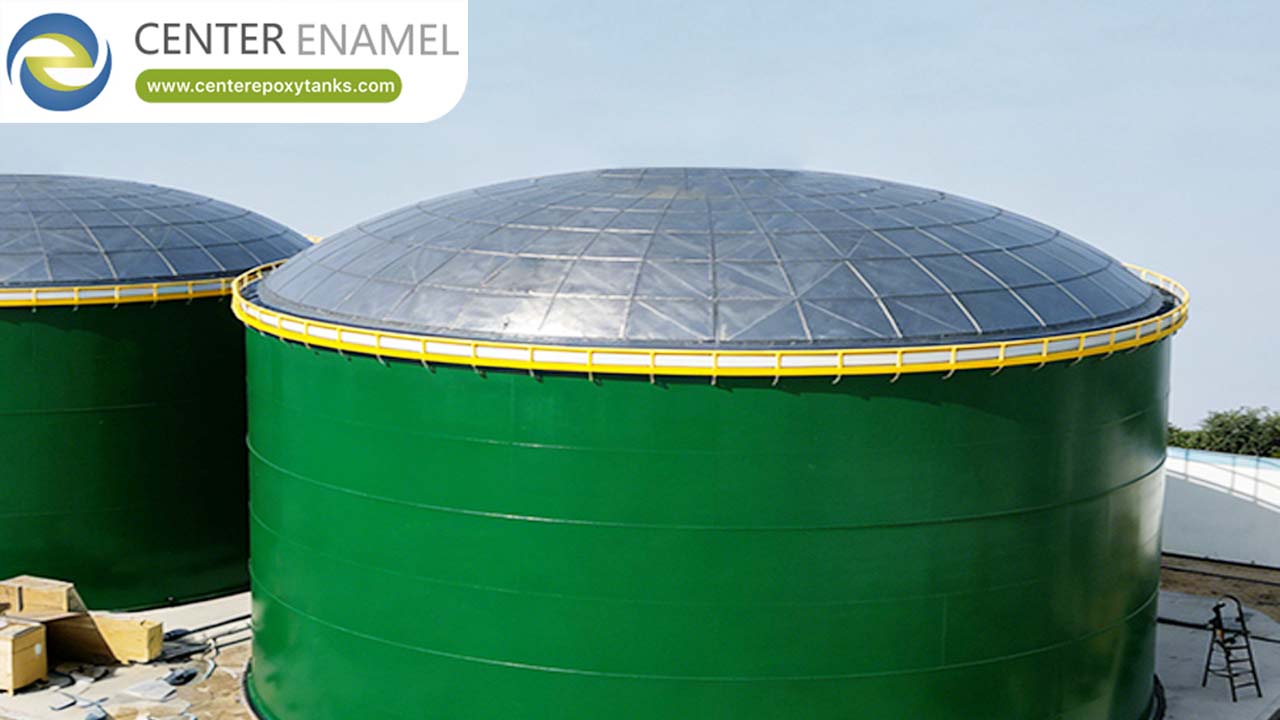
Maintaining Aluminum Geodesic Dome Roofs: A Comprehensive Care Guide for Asset Longevity
Aluminum Geodesic Dome Roofs are engineered for durability, offering a virtually maintenance-free solution compared to traditional fixed carbon steel roofs. However, "low-maintenance" does not mean "no-maintenance." To ensure your storage infrastructure achieves its designed 30+ year service life, a proactive inspection and maintenance program is essential.
As a global leader in storage infrastructure, Shijiazhuang Zhengzhong Technology Co., Ltd (Center Enamel) provides these best practices to help facility managers, maintenance supervisors, and safety officers maximize the performance of their dome-roofed storage assets.
1. The Importance of Routine Inspection
Routine inspections serve as the first line of defense against minor issues escalating into structural or operational failures. We recommend a structured inspection schedule, typically performed annually or semi-annually, depending on local environmental conditions (e.g., proximity to marine environments or heavy industrial zones).
What to Inspect:
● Seals and Batten Bars: The intersection of aluminum panels and batten bars is the primary defense against water ingress. Check for gaps, cracked sealant, or loose batten bar fasteners.
● Fasteners and Hubs: Inspect structural bolts at hub points and perimeter tension rings. While aluminum is corrosion-resistant, fasteners can vibrate loose over time due to thermal expansion and contraction cycles.
● Panel Surfaces: Visually scan the aluminum panels for localized impact damage, such as dents caused by falling objects or extreme weather events.
● Debris Accumulation: Check the gutters and panel valleys for built-up debris, bird nests, or leaves that could cause water ponding.
2. Critical Maintenance Procedures
When inspection reveals a need for maintenance, the following procedures should be executed by qualified personnel following all safety protocols.
Cleaning Protocols
● Soft Wash: Use low-pressure water and mild, pH-neutral detergents if cleaning is required to remove heavy soot or airborne industrial contaminants.
● Avoid Abrasives: Never use wire brushes or harsh abrasive cleaners, as these can disturb the aluminum’s natural protective oxide layer and increase surface roughness.
● Gutter Clearance: Manually clear roof gutters of leaves and sediment to ensure efficient drainage. Standing water, while not damaging the aluminum itself, can introduce weight and foster biological growth.
Seal and Gasket Care
● Sealant Repair: If a breach is detected in the seal system, use compatible, UV-resistant sealants specifically approved for aluminum surfaces.
● Batten Bar Tension: If batten bars show signs of looseness, retighten fasteners to the specified project torque values. Over-tightening can deform the aluminum, so always consult the original project design specifications.
3. Maintenance Comparison: Aluminum vs. Carbon Steel
The following table highlights why Aluminum Geodesic Domes provide a lower total cost of ownership (TCO) compared to traditional carbon steel roof systems:
Maintenance Task | Aluminum Geodesic Dome | Carbon Steel Fixed Roof |
Surface Coating | None required (Non-corrosive) | Frequent blasting and painting |
Inspection Frequency | Annual visual check | Frequent corrosion thickness testing |
Structural Integrity | High (Self-supporting geometry) | Moderate (Requires column upkeep) |
Repair Complexity | Modular (Panel replacement) | Complex (Cutting and welding) |
4. Safety First: Working at Height
Maintaining a tank roof is a high-risk activity. Before beginning any maintenance, ensure the following safety measures are in place:
● Fall Protection: Utilize full-body harnesses, lifelines, and designated anchor points.
● Access Equipment: Use certified man-lifts or scaffolding. Never rely on the dome panels to support concentrated point loads unless the dome was specifically designed for pedestrian "walk-on" capability.
● Cold-Work Protocol: While aluminum assembly is a "cold-work" process, maintenance involving power tools near crude oil or volatile chemical tanks still requires rigorous Hot-Work Permits if sparks are possible. Always verify the tank’s internal headspace safety before work begins.
Proactive Care for 30+ Year Performance
The design of Center Enamel's Aluminum Geodesic Dome Roofs emphasizes structural triangulation and material passivity to minimize human intervention. By establishing a consistent maintenance cadence—focusing primarily on seal integrity and debris clearance—operators can ensure their containment ecosystem remains watertight and structurally sound for decades.
Need technical guidance on a specific maintenance repair, or looking for replacement components for your storage infrastructure? Contact the Center Enamel engineering team today for professional consultation.


