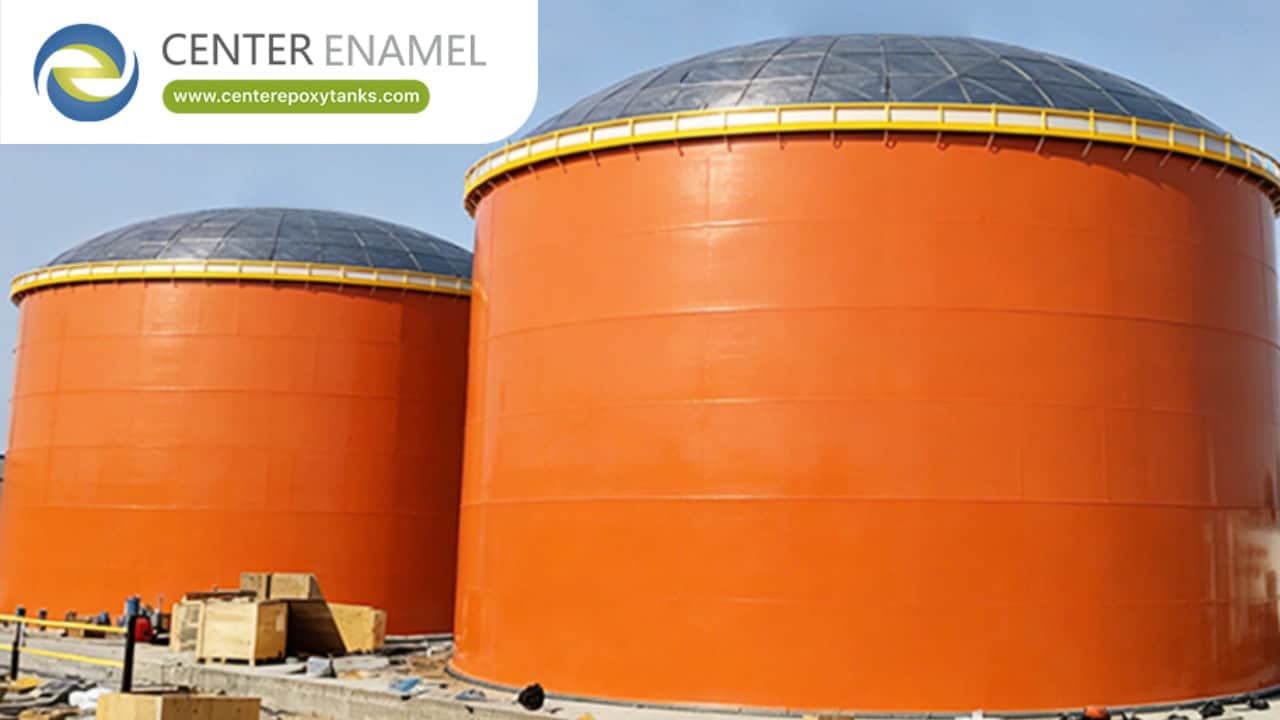
LPG Tanks: Pressure Vessel Design, Storage Configurations, and Safety Standards
LPG refuses to be stored like ordinary liquids: at ambient temperature it must be held under pressure to remain liquid, and that single fact reshapes everything — vessel geometry, welding code, safety distances, and refrigeration economics. Getting the storage concept right is the decision that controls an LPG project's cost and compliance.
LPG tanks store propane, butane, and their mixtures either pressurized at ambient temperature in ASME Section VIII spheres ('Horton spheres') and horizontal bullets designed per API 2510 facility rules and NFPA 58, or refrigerated near -42 deg C at near-atmospheric pressure in insulated API 620-style vessels for large terminal volumes.
1. What Are the Two LPG Storage Philosophies?
Pressurized versus refrigerated is the fork in every LPG project road.
· Pressurized bullets: Horizontal cylindrical vessels at roughly 17-18 bar design for propane at 50 deg C ambient; simple, fast to deploy, favored below about 5,000 m3 total storage.
· Pressurized spheres: Spherical tanks distribute stress perfectly in the shell, cutting plate thickness per stored tonne and making spheres the icon of mid-scale LPG storage.
· Refrigerated storage: Chilling propane to about -42 deg C lets it sit at near-atmospheric pressure in large insulated flat-bottom tanks — the economic choice for import terminals and cavern-top buffer storage.
· Mixed strategies: Many terminals combine refrigerated bulk storage with pressurized spheres for truck loading, bridging the two pressure regimes with pumps and vaporizers.
2. Which Codes Govern LPG Tank Design and Siting?
LPG duty spans vessel codes, facility standards, and fire codes simultaneously.
· ASME Section VIII: The pressure vessel code for bullets and spheres — material toughness, weld NDE, pressure relief, and hydrostatic proof testing all follow it.
· API 2510: The facility design standard for pressurized LPG installations, covering vessel arrangement, transfer systems, drainage, and fire protection integration.
· NFPA 58: The US fire code for LPG, setting minimum separation distances from buildings, property lines, and ignition sources, plus container-filling rules.
· API 620 with Annex R: Refrigerated tanks design basis including low-temperature material selection; siting then follows process facility fire codes.
3. What Safety Systems Define an LPG Installation?
Because LPG is heavier than air and highly flammable, safety engineering is relentless.
· Pressure relief architecture: Multiple relief valves sized for fire exposure and pump-in scenarios, vented to safe locations — the non-negotiable core of LPG vessel safety.
· Water deluge and spacing: Fire exposure protection by cooling water on vessel surfaces, combined with generous code separation, prevents BLEVE scenarios.
· Leak and gas detection: Gas detectors at low elevations catch heavy vapor clouds; emergency shutdown valves isolate inventory on detection.
· Grounding and static control: Bonding across hoses and loading arms, plus submerged or bottom-filling arrangements, neutralize static ignition during transfer.
Data Table: LPG Storage Configurations Compared
Criterion | Pressurized Bullets | Pressurized Spheres | Refrigerated Tanks |
Pressure regime | ~17-18 bar design | ~17-18 bar design | Near atmospheric |
Temperature | Ambient | Ambient | ~ -40 to -48 deg C |
Economic range | < 2,500 m3 total | 2,500-15,000 m3 | Terminals > 15,000 m3 |
Design code | ASME VIII | ASME VIII | API 620 Annex R |
Insulation | None | None | Perlite/composite |
Complexity | Low | Medium | High (refrigeration plant) |
Frequently Asked Questions (FAQ)
Q1: What are LPG tanks made of?
Pressure-vessel grade carbon steels — such as SA-516 normalized plate — with impact toughness verified for the lowest design metal temperature. Refrigerated LPG tanks add low-temperature steels and insulation systems per API 620, while bullets and spheres are built and tested under ASME Section VIII.
Q2: How does a LPG sphere differ from a bullet tank?
Geometry and economics: a sphere's shell carries pressure in pure membrane tension, so plate thickness per stored volume falls as diameter grows — efficient for large pressurized inventories. Horizontal bullets are simpler to fabricate and install and dominate smaller installations; both follow ASME VIII with API 2510 facility rules.
Q3: At what pressure is LPG stored?
Enough to keep it liquid at the hottest expected temperature: propane requires roughly 17-18 bar at 50 deg C. Refrigerated storage instead cools the product to about -42 deg C, dropping pressure to near atmospheric and enabling far larger single-vessel volumes for terminal duty.
Q4: What safety distances apply around LPG tanks?
NFPA 58 and equivalent national codes set separation to buildings, property lines, and ignition sources based on container size — ranging from a few meters for small tanks to 30-plus meters for large spheres, with drainage, deluge, and emergency shutdown systems engineered per API 2510 and local fire authority requirements.


