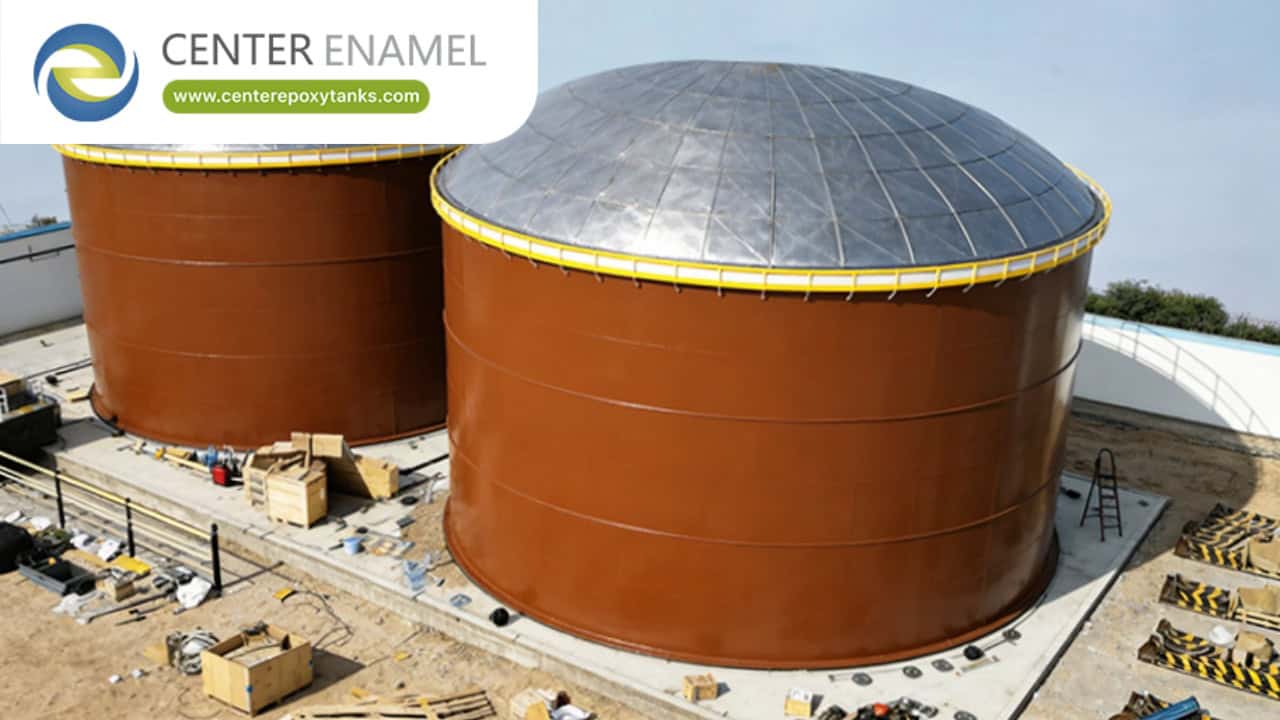
Lightweight Dome Roofs for Mining: Stockpile & Infrastructure Guide
Mining operations face escalating pressure to mitigate environmental impact—specifically fugitive dust—while maximizing stockpile capacity. Aluminum geodesic dome roofs have emerged as the industry standard for covering bulk material storage. Unlike traditional heavy steel or fabric structures, these lightweight, self-supporting domes provide a corrosion-free, clear-span environment that protects high-value ore from moisture, wind, and cross-contamination.
1. Why Lightweight Domes Dominate Mining Infrastructure
Modern mining requires "fit-and-forget" infrastructure. Aluminum geodesic domes are uniquely suited for the harsh, abrasive, and corrosive environments typical of mineral processing sites.
● Corrosion Resistance: Unlike steel structures that require constant repainting or coating, high-strength marine-grade aluminum alloys develop a natural oxide layer, making them impervious to the corrosive sulfurous or acidic environments common in copper, gold, and coal mining.
● Clear-Span Efficiency: The geodesic geometry eliminates the need for internal support columns. This maximizes stockpile volume, allows for unhindered operation of stacker-reclaimer equipment, and reduces the risk of structural failure due to equipment impact.
● Rapid Deployment: The modular, bolted design allows for a "jack-and-assemble" or crane-assisted installation process. This drastically reduces on-site downtime compared to concrete or field-welded steel alternatives.
● Dust & Environmental Compliance: Domes act as a physical barrier against wind-blown dust, helping operations comply with increasingly stringent environmental air quality regulations and ESG (Environmental, Social, and Governance) targets.
2. Engineering Standards & Load Capacity
When specifying domes for mining applications, the structure must be treated as a critical engineering asset, not just a shelter.
● Structural Design Codes: Ensure compliance with ASCE 7 (Minimum Design Loads for Buildings) and AWWA D108 (Aluminum Structures for Water and Wastewater Tanks—often adapted for bulk storage).
● Load Distribution: The triangular lattice framework distributes live loads (snow, wind, seismic) across the entire structure, preventing localized failure.
● Thermal Management: Aluminum's high reflectivity (up to 95%) significantly reduces solar heat gain, which is critical for preventing the degradation of temperature-sensitive materials or spontaneous combustion in coal stockpiles.
● Finite Element Analysis (FEA): Every custom dome must undergo FEA to ensure the geometry can withstand specific site wind-gust profiles, especially in mountainous or coastal mining regions.
3. Comparative Performance Matrix: Stockpile Cover Solutions
Feature | Aluminum Geodesic Dome | Fabric/Tension Structures | Steel/Concrete Trusses |
Corrosion Resistance | Excellent (Inherent) | Low (Degrades under UV/Acid) | Low (Requires regular paint) |
Operational Span | Clear-Span (No columns) | Restricted | Column-dependent |
Construction Time | Fast (Modular) | Moderate | Very Slow |
Lifespan | 40+ Years | 5–15 Years | 20–30 Years |
Maintenance | Minimal | High (Repair/Replace) | High (Structural integrity) |
4. Procurement Vetting Matrix
To avoid structural failures, evaluate your dome manufacturer against these operational benchmarks:
1. Alloy Specification: Verify the use of high-strength structural aluminum alloys (e.g., 6061-T6 or 6063-T6).
2. Fastener Integrity: Use only 300-series stainless steel fasteners with EPDM gaskets to prevent galvanic corrosion at connection points.
3. Sealing Technology: Ensure the flush-batten or gasket system is rated to prevent water intrusion, which is vital for preventing ore clumping or freezing.
4. Integration Capacity: The design must account for the integration of dust suppression systems, conveyor penetration points, and automated stacker-reclaimer clearance.
Frequently Asked Questions (FAQ)
Q: Can these domes support conveyors or heavy processing equipment?
A: Yes. Modern geodesic domes are engineered to bear localized loads, including conveyor systems, ventilation fans, and lighting. The load is distributed through the space-frame nodes; however, this must be specified during the structural analysis phase to ensure the frame density is increased in those zones.
Q: Are aluminum domes fire-resistant?
A: Aluminum is non-combustible and does not contribute to a fire load. In the event of a fire, the structure retains its integrity far longer than fabric or wood structures.
Q: How do they perform in high-seismic mining zones?
A: Because they are lightweight and possess high structural redundancy, they have a lower seismic mass than concrete or heavy steel roofs, making them inherently safer during ground movement events.
Are you currently in the site-planning phase for a new storage facility, or are you looking to retrofit an existing open-air stockpile to meet environmental compliance standards?


