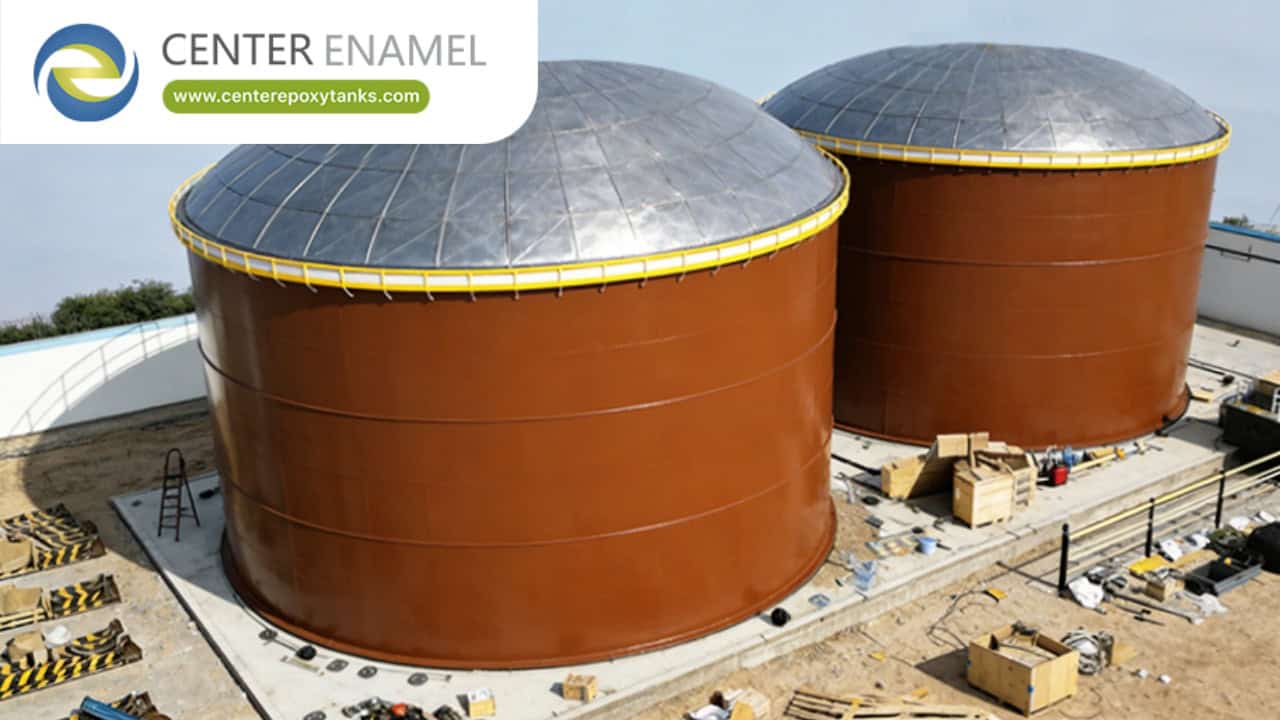
Aluminum Geodesic Domes for Oil Storage Tanks
In the petrochemical and oil storage industry, the roof of a storage tank is a critical asset. It must manage volatile organic compounds (VOCs), resist harsh chemical environments, and withstand extreme weather—all while maintaining the structural integrity of the tank. Aluminum Geodesic Domes have become the industry standard for oil storage infrastructure, replacing traditional fixed-cone steel roofs with a sophisticated, lightweight, and corrosion-resistant alternative.
By utilizing a triangulated lattice geometry, these domes create a clear-span cover that effectively protects valuable oil assets while minimizing operational and maintenance costs.
The Engineering Case for Aluminum Domes in Oil Storage
Oil storage tanks require specialized protection to prevent product loss and environmental contamination. Aluminum domes provide distinct advantages over traditional fixed-roof designs.
1. Inherent Corrosion Resistance
Petroleum products and the vapors trapped within a tank create a highly aggressive internal environment, often accelerating the oxidation of carbon steel. Aluminum naturally forms a self-protecting oxide layer that is virtually immune to this type of chemical corrosion, ensuring a service life that often exceeds 40 years without the need for frequent recoating or maintenance.
2. Clear-Span Structural Efficiency
Traditional fixed-roof tanks often require internal support columns or trusses. These structures can interfere with internal floating roofs, collect sediment, and create "dead zones" where sludge accumulates. Aluminum geodesic domes are self-supporting, transferring all load to the tank perimeter. This clears the interior for seamless floating roof operation and simplifies tank cleaning.
3. Superior Vapor and Odor Containment
Aluminum domes are engineered to be vapor-tight. The precision-fit panels, combined with specialized industrial-grade gasketing, effectively contain vapors. This is essential for compliance with environmental regulations regarding VOC emissions and helps facilities manage odor control for sensitive community locations.
Comparative Analysis: Tank Roofing Solutions
Engineering departments must weigh maintenance, weight, and operational safety when selecting a roofing system.
Engineering Metric | Aluminum Geodesic Dome | Fixed Steel Cone Roof | Concrete Dome |
Corrosion Resistance | Excellent (Inherent) | Low (Requires Coating) | Moderate (Risk of Spalling) |
Clear-Span Ability | Yes (No Internal Supports) | No (Requires Columns) | Yes |
Maintenance Needs | Minimal (Maintenance-Free) | High (Periodic Painting) | Moderate (Crack Repair) |
Installation Speed | Fast (Modular/Bolted) | Moderate/Slow | Very Slow |
Weight | Very Low (Low Seismic Load) | High | Extremely High |
Compliance and Safety Standards
Safety is non-negotiable in oil and gas infrastructure. Leading aluminum dome solutions are designed to adhere to:
API 650: Specifications for Welded Tanks for Oil Storage (Appendix G).
ASCE 7: Requirements for wind, snow, and seismic load distributions.
ISO 9001: Standardized manufacturing processes ensuring panel precision and structural integrity.
Advanced Finite Element Analysis (FEA) is utilized for every dome, allowing for custom tailoring based on the specific diameter of the tank and the environmental requirements of the site, ensuring stability even in hurricane-force winds or heavy snow loading.
Frequently Asked Questions (FAQ)
1. Why is aluminum preferred over steel for oil storage roofs?
Aluminum is chosen primarily for its corrosion resistance. In oil storage applications, internal vapors and external environmental factors cause carbon steel to rust, requiring expensive, ongoing maintenance. Aluminum requires no painting or protective coating, making it a "fit-and-forget" infrastructure investment.
2. Can an aluminum dome be retrofitted to an existing tank?
Yes. Geodesic domes are the preferred solution for replacing aging, leaking, or structurally failing fixed cone roofs. Because the dome is lightweight, it can be assembled on the ground and lifted into place, significantly reducing the downtime of the storage tank.
3. How does the dome handle the movement of internal floating roofs?
The aluminum geodesic dome is a clear-span structure, meaning there are no internal support columns to obstruct the movement of an internal floating roof (IFR). This compatibility ensures the floating roof can move freely, maintaining its seal and performance.
4. Are these domes vapor-tight for volatile oil products?
Yes. The panels are connected with a batten-bar system and high-quality industrial gaskets that create a seal capable of containing hydrocarbon vapors. This is critical for meeting environmental safety standards and reducing product loss through evaporation.
5. Can the dome support auxiliary equipment?
Yes. Geodesic domes are highly robust. The triangulated framework is capable of supporting suspended equipment, such as radar level gauges, ventilation systems, inspection walkways, and firefighting nozzles, without compromising the structural integrity of the roof.


