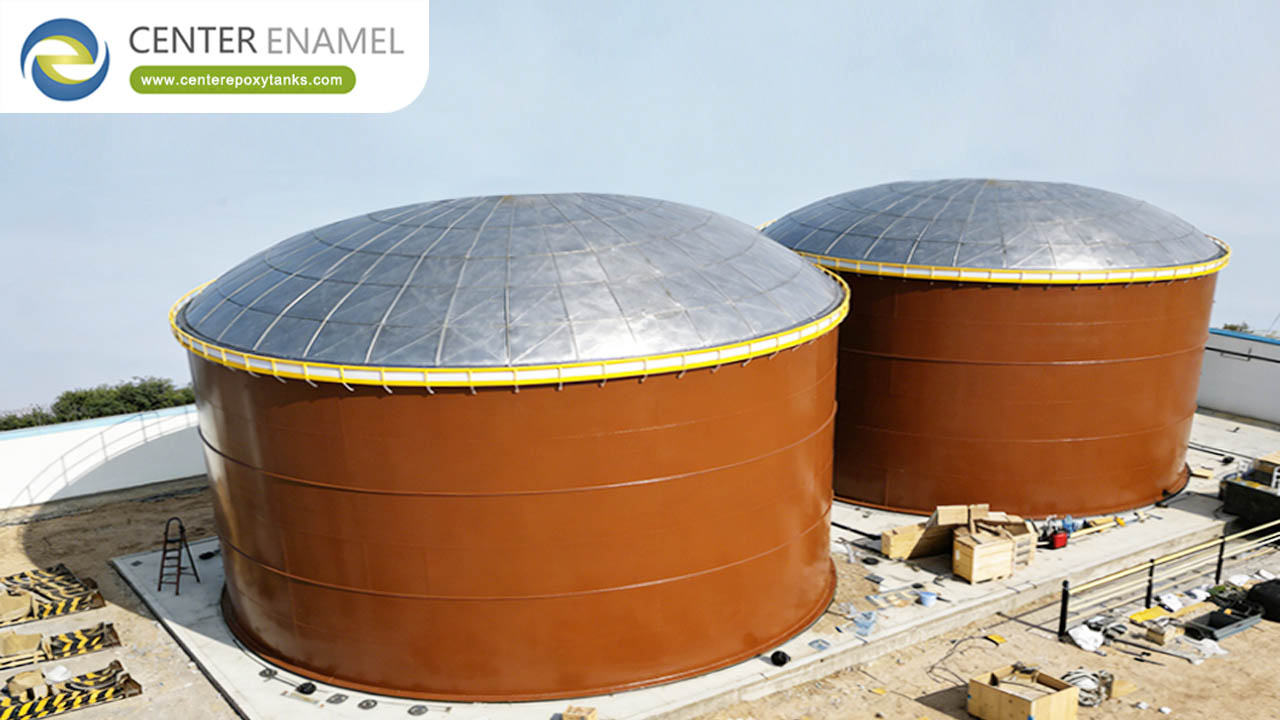
Aluminum Dome Roof Systems for Large-Scale Tanks
An aluminum dome roof system is a high-performance, clear-span structural cover designed for large-diameter storage tanks in the petrochemical, municipal water, and wastewater treatment sectors. These geodesic structures are self-supporting, eliminating the need for internal columns, which removes corrosion-prone support components and maximizes tank capacity. Engineered to meet international standards including API 650 (Appendix G) and AWWA D108, these roofs provide a lightweight, corrosion-resistant, and maintenance-free solution that effectively controls VOC emissions, prevents contamination, and extends the overall operational service life of the storage asset.
The Engineering Philosophy: Clear-Span Superiority
In large-scale storage, the roof is the most vulnerable component to corrosion and structural fatigue. Traditional steel cone roofs suffer from a fundamental flaw: they require internal columns and support structures. These supports are constantly exposed to the stored product or vapors, creating recurring maintenance headaches and corrosion hotspots.
Aluminum dome roofs solve this through:
Clear-Span Design: The geodesic geometry allows for a completely self-supporting structure. By removing internal columns, the design eliminates the accumulation of trapped vapors and the risk of internal structural degradation.
Superior Corrosion Resistance: Aluminum naturally forms a protective oxide layer. Unlike carbon steel, which requires ongoing painting or epoxy recoating to prevent rust, aluminum domes are virtually maintenance-free, even in aggressive chemical or coastal environments.
Lightweight Advantage: Aluminum’s high strength-to-weight ratio minimizes the load on the tank shell and foundation, allowing for easier retrofitting onto existing tanks or design optimization for new builds.
Comparative Overview: Tank Cover Technologies
Feature | Aluminum Dome Roof | Conventional Steel Cone Roof | Concrete/RCC Roof |
Structural Design | Clear-span (No columns) | Requires internal support | Heavy; requires massive foundation |
Corrosion Resistance | Excellent (Inert Material) | Low (Requires constant coating) | Low (Crack/spalling prone) |
Maintenance | Minimal/None | High (Recoating/Painting) | High (Crack sealing) |
Installation | Fast (Modular/Bolted) | Slow (Field welding/painting) | Very Slow (Civil build) |
Emission Control | High (Vapor-tight seals) | Low | Moderate |
Strategic Applications & Compliance
Leading engineering projects specify aluminum domes not just for their longevity, but for their ability to meet stringent environmental and safety regulations.
VOC Emission Control: In the petrochemical industry, environmental regulations are tightening. Aluminum domes, when paired with high-quality gasketing and sealing systems, create a vapor-tight barrier that dramatically reduces Volatile Organic Compound (VOC) emissions compared to traditional floating or fixed roofs.
Potable Water Integrity: AWWA D108 compliance ensures these domes meet the strict standards for municipal drinking water storage, preventing the ingress of birds, insects, and airborne pollutants while maintaining air circulation.
Retrofit Efficiency: One of the most significant advantages of an aluminum dome is its ability to be installed on existing, full-diameter tanks while the tank remains in service. This capability significantly reduces project downtime and CAPEX requirements.
Frequently Asked Questions (FAQ)
Q: Are aluminum domes effective in high-snow or high-wind regions?
A: Yes. The geodesic dome geometry is inherently strong. Manufacturers utilize CAD-based Finite Element Analysis (FEA) to ensure that the truss members and cladding panels are sized appropriately to meet specific site requirements for wind, snow, and seismic loads.
Q: Do aluminum domes react with stored chemicals?
A: Aluminum is highly resistant to a wide range of chemicals, including hydrogen sulfide, sulfur dioxide, and various hydrocarbons. Its natural passivity makes it the ideal material for applications where steel would otherwise corrode rapidly.
Q: What is the expected service life of an aluminum dome?
A: Because the material does not rust or degrade in the same manner as coated steel, these domes are routinely rated for 30 to 50 years of service life with virtually zero structural maintenance.
Partnering for Structural Reliability
Your storage infrastructure is a multi-decade asset. Choosing an aluminum dome roof system is an investment in minimizing operational risk, eliminating recurring maintenance costs, and ensuring regulatory compliance.
Are you evaluating an infrastructure project requiring large-scale storage covers?
Contact our engineering team to request a structural feasibility analysis, review our project portfolio, or obtain a preliminary dome design proposal tailored to your tank diameter and local code requirements.


