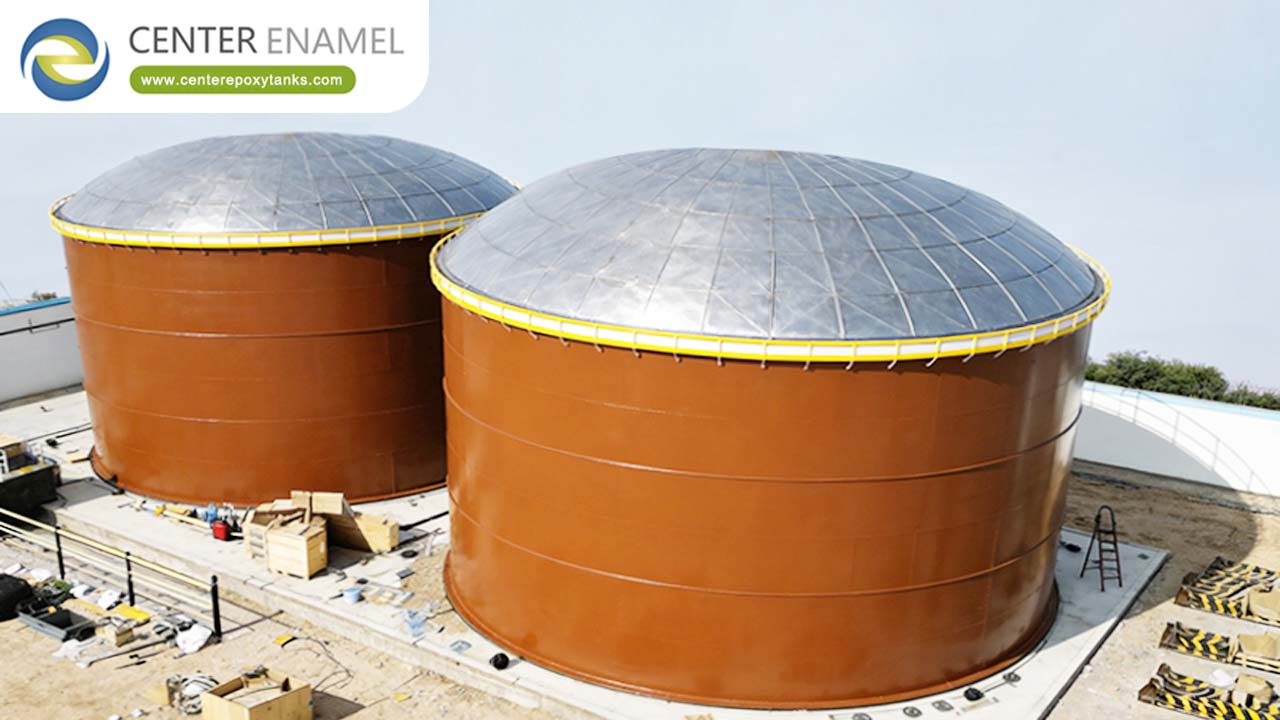
A leading China-based manufacturer of aluminum geodesic domes provides advanced, self-supporting, and clear-span roof systems engineered to meet international standards such as API 650, AWWA D108, and ISO 1090. These structures are specifically designed for large-diameter storage tanks in the petrochemical, municipal water, and wastewater treatment sectors. By utilizing high-strength, corrosion-resistant aluminum alloys, these manufacturers enable operators to replace traditional, high-maintenance steel roofs with lightweight, maintenance-free covers that effectively control VOC emissions, prevent water/snow ingress, and provide decades of operational longevity without internal structural supports.
Why Global EPCs Choose China for Aluminum Domes
The manufacturing landscape for aluminum geodesic domes in China has shifted from simple fabrication to precision-engineered structural systems. Manufacturers now offer integrated solutions that solve the primary pain points of large-scale storage facility management:
Compliance & Certification: Top-tier Chinese manufacturers ensure their domes comply with rigorous global codes, including API 650 (Appendix G) for oil storage and AWWA (American Water Works Association) standards for potable water.
Precision Engineering (Clear-Span): Using specialized CAD/FEA software, these domes are designed to be self-supporting, eliminating the need for internal columns. This prevents the "dead zones" and potential corrosion hotspots associated with internal support structures.
Material Science: Utilization of high-grade 3000 or 5000 series aluminum alloys offers a natural, protective oxide layer that resists the aggressive, sulfur-rich environments found in wastewater and petrochemical storage.
Technical Comparative Analysis: Dome vs. Traditional Roofs
Procurement teams often evaluate dome solutions against traditional roofing methods. The following table illustrates the technical and operational superiority of the geodesic design:
Feature | Aluminum Geodesic Dome | Conventional Steel Cone Roof | Concrete Roof |
Maintenance | Minimal (Non-corrosive) | High (Requires Painting/Coating) | High (Crack/Leak prone) |
Structural Design | Clear-span (No columns) | Requires internal support | Heavy; requires massive foundation |
Weight | Lightweight | Heavy | Very Heavy |
Installation | Modular (Bolted/No Welding) | Labor-intensive welding | Extended field construction |
Emission Control | Excellent (Vapor tight) | Poor (Requires secondary seals) | Moderate |
Key Evaluation Criteria for Manufacturers
When vetting a Chinese manufacturer for your project, prioritize the following indicators of technical maturity:
Manufacturing Automation: Look for factories that use CNC laser cutting and automated bending for structural members. Manual fabrication often results in fit-up issues during site assembly.
Structural Testing: A reputable manufacturer will provide stamped structural calculations and, where necessary, third-party certification (e.g., SGS, BV) for load-bearing capacity (wind, snow, and seismic loads).
Sealing & Gasket Technology: The dome is only as good as its seals. Ensure the manufacturer uses high-quality, UV-resistant neoprene or EPDM gaskets with double-seal profiles to prevent leakage.
Export Provenance: Ask for a project history—specifically, do they have experience managing the logistics of "knocked-down" kits for international assembly?
Frequently Asked Questions (FAQ)
Q: Are aluminum domes suitable for all climates?
A: Yes. The triangular, geodesic geometry is inherently strong and is engineered to handle extreme snow loads, high wind speeds, and seismic activity. The material itself is unaffected by extreme temperature fluctuations.
Q: Does the aluminum react with stored products?
A: Aluminum is naturally non-reactive and highly corrosion-resistant. It is the preferred material for potable water (preventing algal growth) and is widely used for volatile hydrocarbons because it does not spark or catalyze degradation.
Q: Can you retrofit these domes onto existing tanks?
A: Retrofitting is a core capability. Because aluminum domes are lightweight and do not require heavy crane support, they can often be installed on existing, full-diameter tanks while the tank remains in service, significantly minimizing project downtime.
Partnering with Technical Experts
Your choice of manufacturer determines the structural integrity and compliance of your storage assets for the next 30+ years. Partnering with a manufacturer that prioritizes precision engineering and transparent testing is the most effective way to lower total CAPEX and OPEX.
Are you evaluating suppliers for a large-scale storage project?
Contact our engineering team to request a structural feasibility analysis, review our project portfolio of international dome installations, or obtain a competitive quotation for your specific tank diameter and local code requirements.


