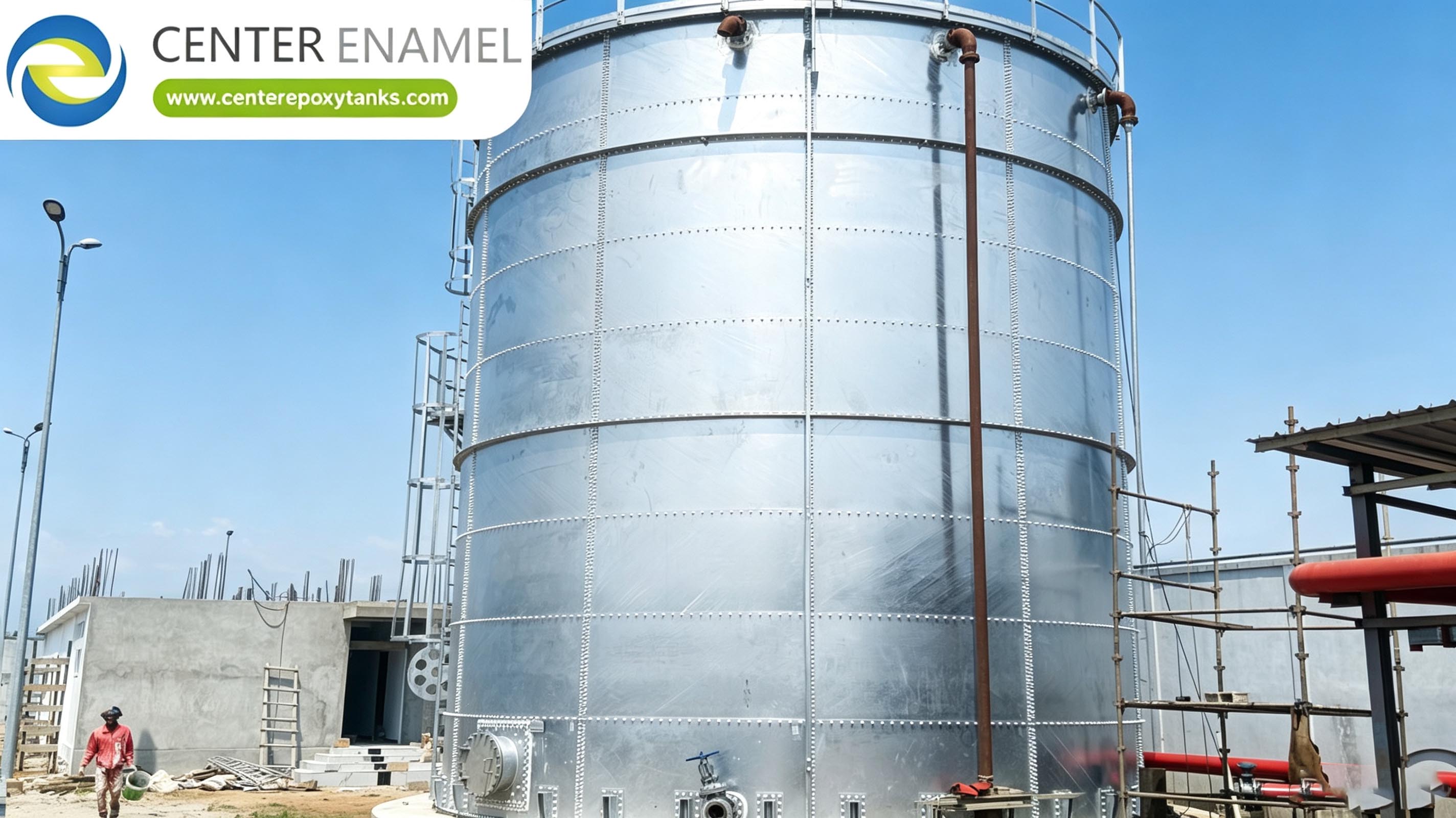
Key Advantages of Galvanized Steel Silos for Bulk Grain Storage
Galvanized steel silos represent the global standard for modern bulk agricultural and industrial storage. Engineered from high-tensile corrugated steel sheets treated with a protective zinc coating, these structures offer an optimal balance of structural strength, weather resistance, and long-term cost efficiency.
Whether deployed on commercial farms, grain elevators, or port terminals, galvanized steel silos consistently outperform traditional storage alternatives like concrete, timber, or open bunker systems.
Top 6 Advantages of Galvanized Steel Silos
1. Exceptional Corrosion Resistance & Long Service Life
The primary advantage of galvanized steel is its sacrificial zinc coating (typically ranging from Z275 to Z600 standards, representing 275 g/m2 to 600 g/m2 of zinc).
Even if the outer surface is scratched or exposed to harsh weather, the zinc coating corrodes sacrificially to protect the underlying base steel. This self-healing property provides a low-maintenance operational lifespan of 30 to 50+ years, even in regions with high humidity or rainfall.
2. Lower Capital Expenditure (CapEx) & Higher ROI
Compared to monolithic concrete silos, prefabricated galvanized steel silos reduce initial construction costs by 30% to 50%. Because the corrugated sheets and structural stiffeners are factory-manufactured to precise tolerances, site preparation and foundation work are far less intensive, driving down civil engineering and labor expenses.
3. Rapid Field Assembly & Modular Scalability
Galvanized steel silos are constructed using high-strength grade 8.2 hot-dip galvanized bolts and specialized weather-tight sealant tapes.
Speed: A standard 3,000 MT steel silo can be assembled on-site in 2 to 3 weeks.
Scalability: Facilities can start with a smaller bin array and seamlessly add extra silos as grain throughput demands expand over time.
4. Superior Grain Quality Control & Aeration Integration
Standard galvanized steel silos seamlessly integrate advanced grain preservation systems:
Aeration Channels: Perforated floor systems ensure uniform airflow to control internal temperatures and suppress mold or insect activity.
Temperature & Moisture Monitoring: Cable arrays suspended from the roof beam track internal conditions in real time to prevent grain spoilage.
5. Pest, Rodent, and Moisture Protection
Properly sealed galvanized steel silos create an airtight, watertight barrier that completely eliminates grain loss from rodents, birds, and boring insects. Unlike concrete, steel walls do not develop microscopic stress cracks over time that harbour moisture or pests.
6. Environmental Resilience & High Structural Strength
Engineered with vertical external or internal stiffeners, corrugated steel silos can withstand extreme environmental loads, including wind speeds exceeding 180 km/h and heavy snow accumulation, while complying with international seismic design standards (such as Eurocode 8 or ASCE 7).
Data Table: Technical & Economic Performance Benchmarks
Performance Metric | Galvanized Steel Silo Standard | Concrete Silo Alternative | Flexible Silo Bag Alternative |
Initial Cost per Ton | Low to Moderate | High (2x to 2.5x higher) | Very Low Initial (Single use) |
On-Site Installation Time | 2 – 4 Weeks | 3 – 8 Months | Immediate (Field setup) |
Service Lifespan | 30 – 50+ Years | 75 – 100 Years | 1 Season |
Zinc Protection Grade | Z275 – Z600 Coating | N/A | N/A (Polyethylene) |
Maintenance Requirements | Low (Bolt check / seal check) | Moderate (Crack sealing) | High (Vulnerable to punctures) |
Aeration Integration | Excellent (Full perforated floor) | Moderate | None (Hermetic sealed) |
Modular Expandability | High | Very Low | High |
Frequently Asked Questions (FAQ)
Q: What does the zinc coating designation (e.g., Z275 vs Z600) mean for a steel silo?
A: The "Z" rating indicates the total weight of zinc applied to both sides of the steel sheet in grams per square meter (g/m2). A Z275 coating (275 g/m2) is suitable for standard agricultural climates, while a Z450 or Z600 coating is recommended for highly corrosive, coastal, or humid industrial environments to maximize lifespan.
Q: How do galvanized steel silos prevent roof sweating and condensation?
A: Moisture condensation occurs when ambient temperatures drop rapidly at night. Steel silos prevent roof sweating by pairing continuous roof ventilation exhausts with temperature cables and automated aeration fans that maintain small temperature differentials between internal grain and outdoor air.
Q: Are corrugated steel silos better than smooth-wall steel silos?
A: Corrugated steel sheets offer a significantly higher strength-to-weight ratio than smooth flat steel, allowing the silo to handle high vertical and radial pressure from stored grain using lighter structural material. Smooth-wall silos are typically reserved for specialized materials with poor flowability or steep hopper bottom applications.
Q: What maintenance is required for a galvanized steel silo?
A: Galvanized steel silos require minimal upkeep. Annual inspections should focus on checking rubber washers on exterior wall bolts, inspecting roof hatch gaskets, ensuring aeration fans are clear of debris, and verifying that the concrete foundation seal remains intact.


