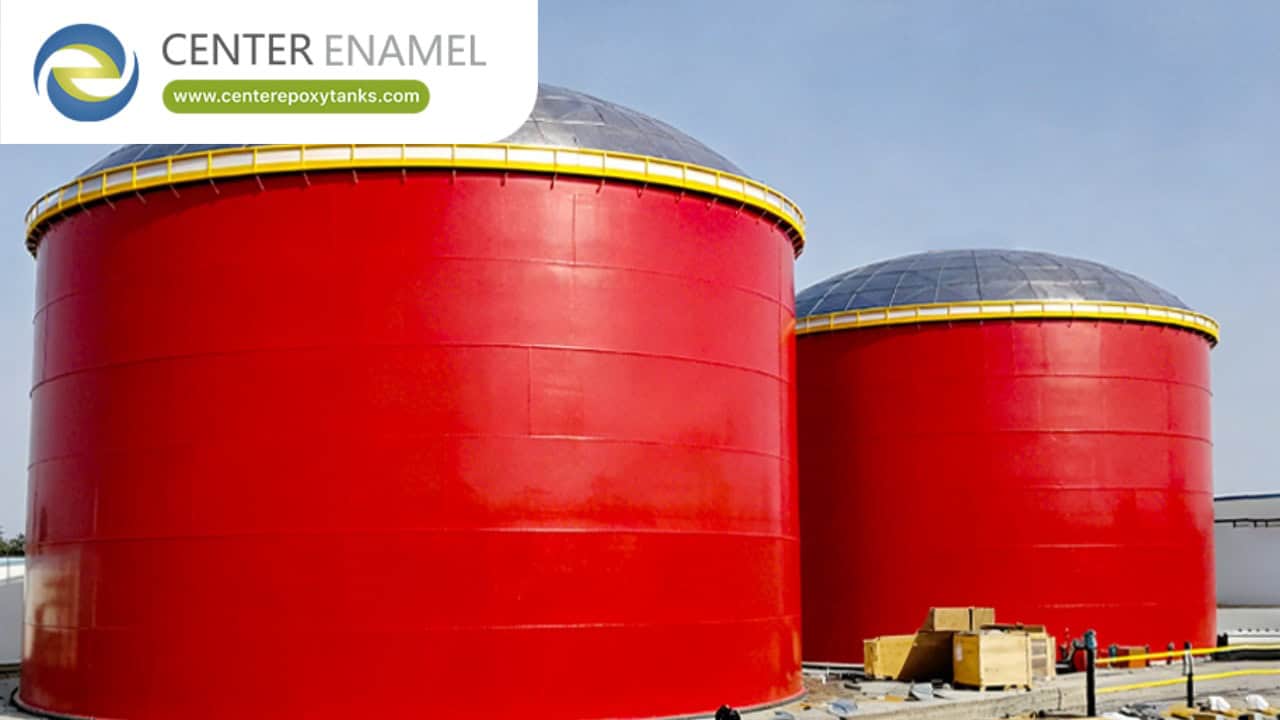
Industrial Liquid Chemical Storage Tanks: A Selection Guide
Liquid chemical storage tanks are specialized vessels engineered to contain hazardous, corrosive, or high-purity liquids used in industrial processes. Unlike standard water tanks, these vessels must be custom-specified based on the chemical compatibility of the stored medium, the required pressure rating, and the environmental safety standards of the facility.
In modern industrial infrastructure, the selection of a storage tank is a balance between material integrity, safety compliance, and long-term cost-of-ownership.
Material Selection: The Engineering Foundation
The most critical factor in liquid chemical storage is material compatibility. Choosing the wrong substrate leads to structural failure, environmental contamination, and regulatory fines.
Tank Material | Primary Advantages | Best Applications |
Carbon Steel (Lined) | High strength, cost-effective for large volumes. | Oils, fuels, non-corrosive chemicals. |
Stainless Steel | Superior corrosion resistance, hygienic. | High-purity chemicals, pharmaceuticals, food-grade. |
Glass-Fused-to-Steel (GFS) | Exceptional chemical resistance, no field welding. | Industrial wastewater, sludge, moderate acids. |
FRP (Fiberglass) | Highly resistant to aggressive acids. | Acids, specific reactive chemical processes. |
1. Carbon Steel (Welded)
For large-scale, bulk liquid storage, welded carbon steel tanks (built to API 650 or ASME Section VIII) are the industry workhorse. Their strength allows for virtually unlimited capacity, making them the standard for refineries and large-scale manufacturing terminals. However, they almost always require high-performance epoxy or rubber linings to prevent chemical corrosion.
2. Glass-Fused-to-Steel (GFS)
GFS tanks offer the structural strength of steel with the chemical inertness of glass. Because the glass-fused layer is applied in a controlled factory environment, it is impervious to many aggressive chemicals that would rapidly degrade traditional steel coatings. They are a preferred choice for modular, rapid-deployment storage in wastewater and process engineering.
3. Stainless Steel
In environments where product purity is paramount (e.g., electronic chemicals, biotech, or high-end pharmaceutical inputs), 316L stainless steel is the benchmark. It eliminates the risk of lining failure or "de-lamination" associated with coated steel tanks, providing a clean, self-healing surface.
Critical Safety and Regulatory Standards
Liquid chemical storage is heavily regulated to prevent ground and water contamination. Compliance is non-negotiable:
Secondary Containment: Modern chemical storage design mandates secondary containment (bunding or dikes). This ensures that if the primary tank wall fails, the liquid is captured, preventing environmental catastrophe.
Vapor Management: For volatile organic compounds (VOCs), tanks must be equipped with specialized venting, conservation vents, or internal floating roofs to prevent toxic vapor release.
Seismic & Wind Loading: In high-risk zones, tanks must be engineered to withstand specific seismic and wind load factors, ensuring the vessel does not collapse or overturn during a natural disaster.
Inspection Protocols: Regulations (such as API 653 for in-service inspections) require periodic, documented non-destructive examination (NDE) of weld seams and floor plates to ensure structural safety.
Frequently Asked Questions (FAQ)
Q: How do I determine which tank material is compatible with my chemical?
A: Always consult a Chemical Compatibility Chart. The concentration, temperature, and pH of your liquid will dictate the material. For example, while 304 stainless steel is fine for mild substances, highly acidic environments usually require 316L stainless, GFS, or specially lined carbon steel.
Q: What is the most important maintenance task for chemical tanks?
A: Regular inspection of the internal lining and the floor plates. Even small "holidays" or gaps in an epoxy lining can lead to rapid localized corrosion of the underlying steel. Cathodic protection systems should also be monitored quarterly.
Q: What is the difference between a storage tank and a pressure vessel?
A: Storage tanks are typically designed for atmospheric pressure (or very low pressure, < 2.5 psi, per API 650). Once a vessel is designed to hold internal pressures exceeding 15 psig, it is classified as a Pressure Vessel and must be built to the much stricter ASME Section VIII code.
Q: Can a single tank hold multiple chemicals?
A: Generally, no. Cross-contamination and reaction risks are high. If you must store different chemicals, you require separate tanks with dedicated piping and valving, or a partitioned vessel that is specifically engineered for multi-compartment storage.
Q: How can I prevent leaks in industrial chemical tanks?
A: Leak prevention starts with proper design (avoiding bolted seams where possible in favor of welded or GFS modular structures), followed by automated leak detection systems (for double-walled tanks) and consistent NDE (Non-Destructive Examination) testing.


