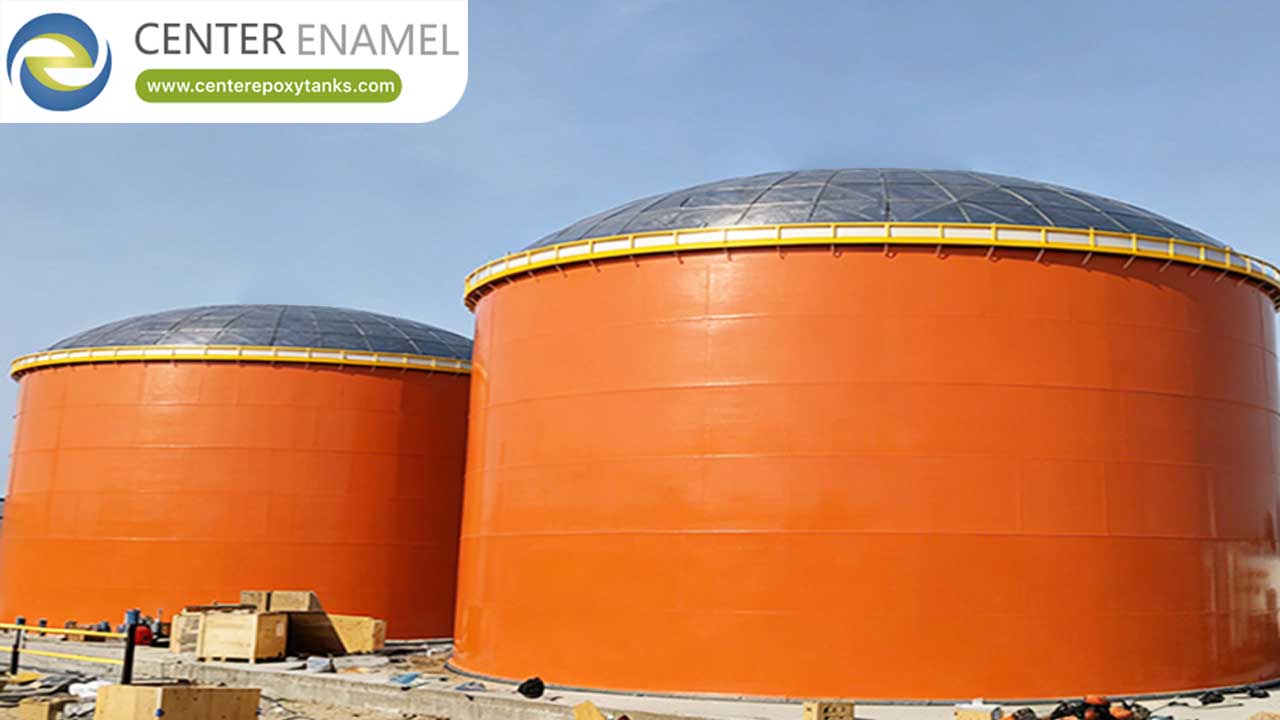
Industrial Fuel Oil Storage Tanks: Reliable Supply for Boilers and Process Heating
Steam is an unforgiving customer: the moment fuel stops, pressure falls and production with it. Fuel oil storage for industry is therefore engineered as a supply chain in miniature — bulk storage for security, day tanks for burner-grade reliability, and transfer loops that keep oil hot, clean, and moving between them.
Industrial fuel oil storage tanks serve boiler and process heating loads with a two-tier architecture — heated, insulated bulk tanks sized for weeks of consumption plus code-rated day tanks feeding burners — integrated with transfer pumps, strainers, and temperature controls that deliver consistent fuel at the burner front.
1. How Is Plant Fuel Storage Architected?
Tiered storage turns bulk economics into burner reliability.
· Bulk storage tanks: Typically 2-4 weeks of peak consumption; API 650 or UL 142 class by volume, heated and insulated for heavy grades.
· Day tanks: 4-24 hours of burner demand near the boiler house, giving clean settled oil to the burner and containing any transfer system failure.
· Transfer system: Duplex pumps and strainers, heat tracing on lines, and controls that refill day tanks automatically with high-level cutout.
· Backup philosophy: Dual-fuel capability — oil plus gas — keeps the plant running through either supply interruption.
2. What Fuel Conditioning Does a Boiler System Need?
Burners are precision instruments; the tank system protects them.
· Temperature control: Viscosity at the burner gun is the combustion variable — heated storage, suction heaters, and traced lines hold oil at its atomization viscosity.
· Filtration: Duplex strainers on transfer and finer filtration ahead of the burner prevent nozzle and gun plugging from sludge and scale.
· Water and sediment control: Settling time in bulk storage plus low-point drains keep water and asphaltenes out of the day tank loop.
· Corrosion protection: Vaporspace lining and bottom allowance on the bulk tank defend against sulfur and water-bottom attack over decades.
3. What Codes and Operations Discipline Apply?
Plant fuel systems carry boiler-house safety and environmental obligations together.
· Containment and SPCC: Dikes or integral containment for the largest credible release, with drainage management and response plans where thresholds apply.
· NFPA 30/85 interfaces: Tank and piping rules under NFPA 30 with boiler combustion safety under NFPA 85; emergency shutoff valves isolate the day tank.
· Emergency power: Transfer pumps on standby power so day tanks refill during outages — the failure that most commonly idles dual-fuel plants.
· Records and testing: Tank thickness testing, relief valve checks, and alarm function tests on a scheduled cadence documented for insurers and authorities.
Data Table: Plant Fuel Oil System Components
Component | Function | Sizing Basis |
Bulk tank | Security inventory | 2-4 weeks consumption |
Day tank | Burner supply | 4-24 h demand |
Transfer loop | Bulk to day | Max burner rate + margin |
Suction heater | Local viscosity | Burner atomization temp |
Duplex strainer | Continuous filtration | Line-size, parallel |
Frequently Asked Questions (FAQ)
Q1: How much fuel oil storage does an industrial boiler plant need?
A common standard is 2-4 weeks of peak consumption in bulk storage plus a day tank of 4-24 hours burner demand. The split balances procurement logistics and inventory cost against the clean, reliable supply the burner requires hour to hour.
Q2: Why do boiler plants use day tanks instead of pumping from bulk storage?
Day tanks give the burner a close, settled, temperature-stable supply immune to transfer system hiccups, and they isolate faults: a pump failure or line problem in the bulk loop leaves the burner with hours of fuel in reserve while alarms sound. Burner manufacturers also prefer short, hot fuel runs for stable atomization.
Q3: What temperature should industrial fuel oil be stored and burned at?
By grade: No. 2 oil flows at ambient; intermediate and heavy grades store at 40-60 deg C and reach atomization viscosity at the burner through suction heaters raising oil to 90-120 deg C. The control variable is viscosity at the gun — every burner specifies its range.
Q4: How is a plant fuel oil tank kept compliant?
Containment sized per SPCC-type programs, NFPA 30-compliant spacing and venting, scheduled thickness testing and relief checks, and alarm and shutoff functional tests. Since a failed transfer pump is the most common operational failure, standby power for pumps deserves as much attention as the tank itself.


