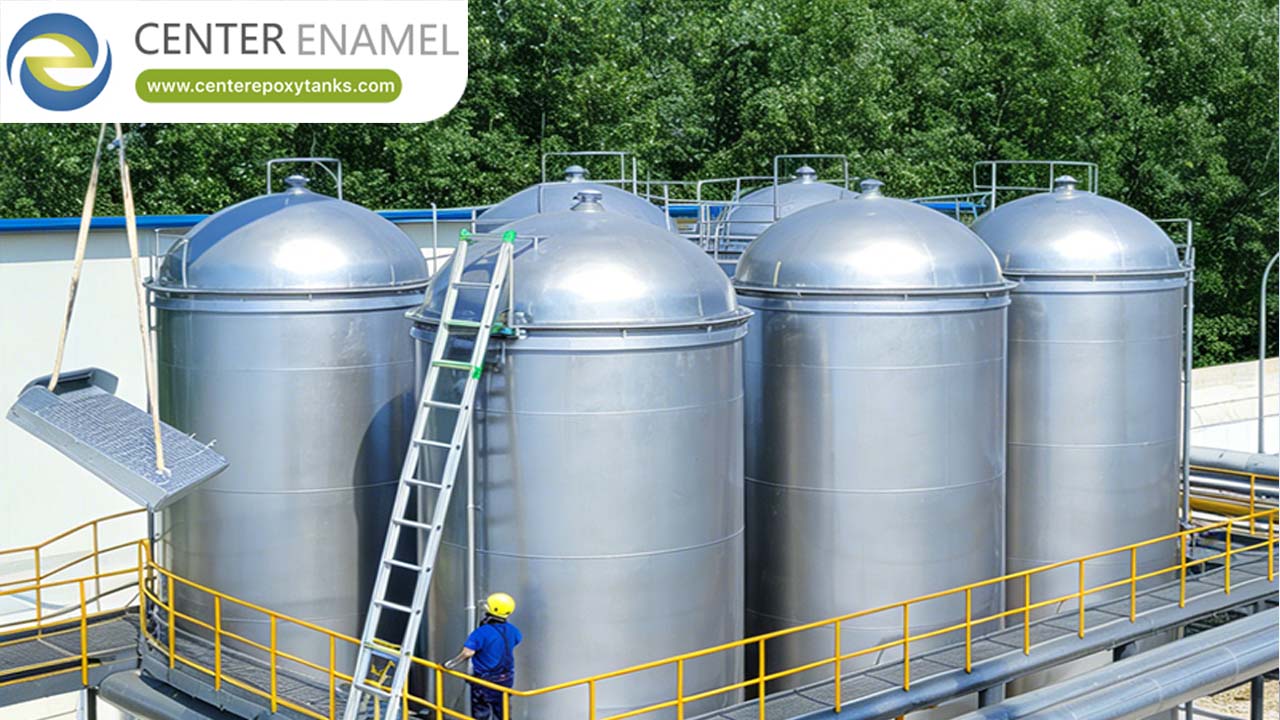
Hydrochloric Acid (HCl) Storage Tanks: Engineering & Safety Guide
Hydrochloric acid (HCl) is one of the most widely used chemicals in industrial manufacturing, yet it is notoriously difficult to contain. HCl is highly corrosive and releases acidic vapors that can degrade infrastructure, damage equipment, and pose severe health risks to personnel.
Designing a storage system for HCl requires strict adherence to material compatibility and vapor management protocols. In 2026, the industry standard shifts away from "quick fixes" toward high-integrity thermoplastic systems designed for long-term safety.
Material Selection: The "No-Metal" Rule
When storing HCl, the most critical engineering decision is the material choice. Unlike sulfuric acid, which can be stored in carbon steel under specific conditions, Hydrochloric acid is universally incompatible with all common metals.
Why You Must Avoid Metals
● Carbon & Stainless Steel: HCl will aggressively dissolve these materials, causing structural failure and the release of hydrogen gas, which is highly explosive.
● Corrosion Rate: Even high-nickel alloys face significant pitting and general corrosion, making them unsafe and cost-inefficient.
Preferred Materials
Material | Suitability | Engineering Advantage |
HDPE/XLPE | Gold Standard | Excellent chemical resistance, seamless, cost-effective. |
FRP (Fiberglass) | Conditional | Good strength but can become brittle; requires specific resin lining. |
PVC/CPVC | Limited | Used for piping, not recommended for bulk tank walls. |
Engineering Design Features
A safe HCl storage system is more than just a tank; it is an integrated safety system.
1. Fume Management (The Scrubber)
HCl releases hydrogen chloride gas vapors. Simply venting the tank to the atmosphere is usually illegal and environmentally hazardous.
● Fume Scrubbers: Every HCl tank must be equipped with a water-based or caustic-based fume scrubber to neutralize acidic vapors before they are released into the air.
2. Secondary Containment (Bunding)
Environmental regulations mandate that HCl storage areas have secondary containment capable of holding 110% of the largest tank’s capacity.
● Important: Concrete containment areas must be coated with an acid-resistant epoxy liner. HCl will aggressively attack standard concrete and steel reinforcement bars (rebar), leading to structural decay of the containment floor.
3. Fittings & Connections
Because HCl can permeate certain seals, use only thermoplastic fittings with PTFE (Teflon) gaskets. Metal fittings should be completely excluded from the liquid contact area to prevent galvanic corrosion and leaks.
Operational Safety Best Practices
1. Temperature Control: HCl degrades and releases more fumes at higher temperatures. Keep tanks in shaded areas or inside climate-controlled buildings whenever possible.
2. Level Monitoring: Use non-contact ultrasonic or radar level sensors. Never use mechanical "dipsticks" that involve opening the tank manway, as this releases toxic fumes.
3. Pressure Relief: Ensure every tank has a dedicated pressure/vacuum relief valve, integrated with the fume scrubber system, to prevent over-pressurization during filling.
Frequently Asked Questions (FAQ)
Q: Why are metal tanks strictly prohibited for HCl?
A: HCl is an extremely aggressive acid that reacts with iron and steel to produce hydrogen gas. This reaction causes rapid metal thinning and creates an explosive atmosphere inside the tank, leading to a high risk of catastrophic tank failure or explosion.
Q: What is the benefit of using HDPE/XLPE for HCl storage?
A: HDPE (High-Density Polyethylene) and XLPE (Cross-Linked Polyethylene) are non-reactive, thermoplastic materials. They do not corrode, are not affected by the acidic nature of HCl, and can be molded into seamless shapes, eliminating the risk of weld failure.
Q: Do I really need a fume scrubber?
A: Yes. HCl naturally "fumes." These vapors are toxic to breathe and corrosive to surrounding steel structures in your plant (like overhead cranes, pipes, and electrical conduit). A fume scrubber is essential for environmental compliance and protecting your facility's infrastructure.
Q: How often should I inspect my HCl storage system?
A: Because of the corrosive vapor, you should inspect the tank's exterior, fittings, and vent lines monthly. A formal, full-system inspection—including the integrity of the secondary containment liner—should be conducted annually by a qualified engineer.
Are you currently engineering a containment system for HCl, and do you need technical guidance on selecting the right fume scrubbing system to match your tank's capacity?


