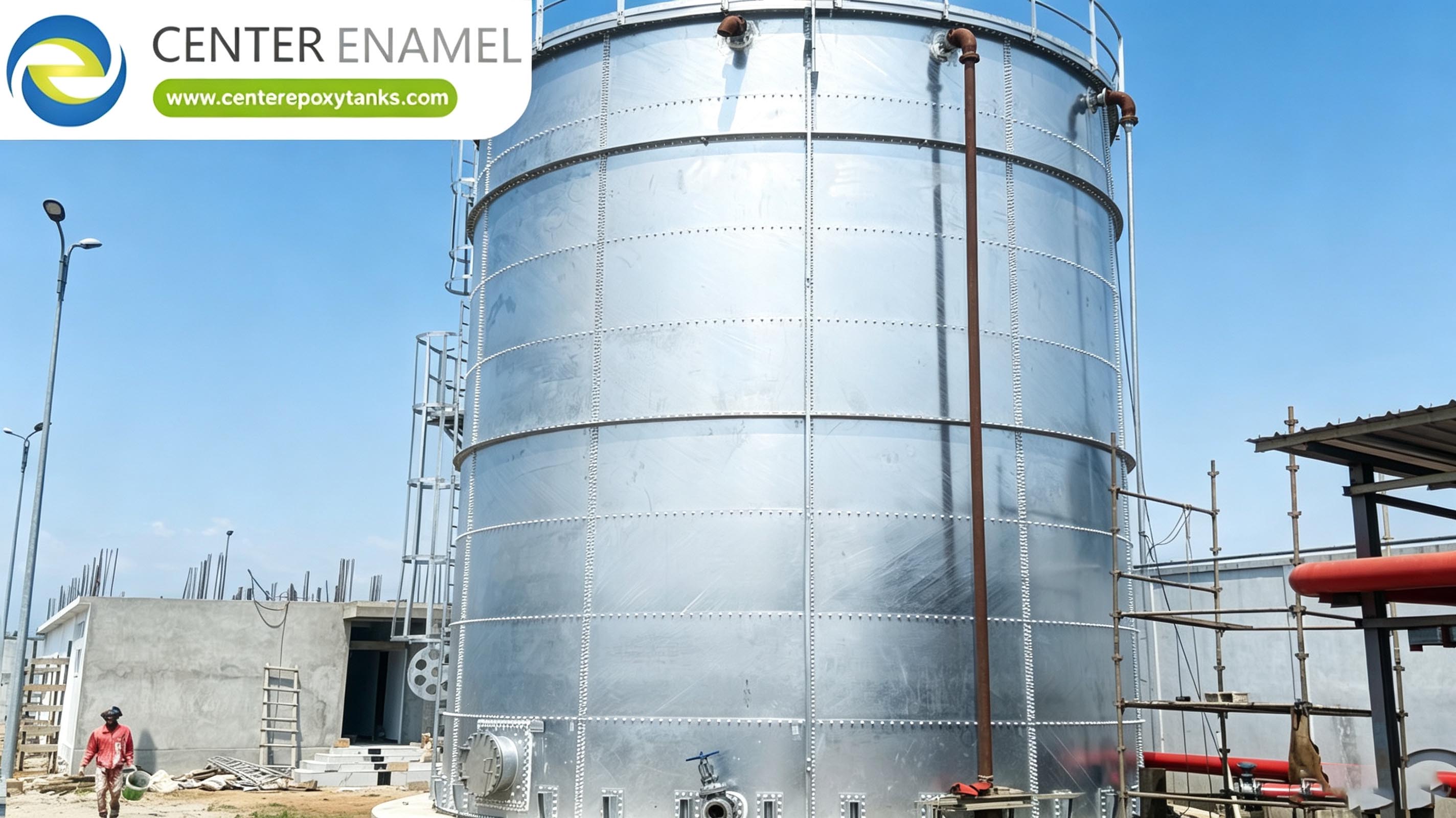
Hot Dip Galvanized Steel Silos: The Ultimate Guide to Durable Storage
Hot dip galvanized steel silos are the industrial benchmark for the bulk storage of grain, industrial powders, and granular materials. By submerging steel components into molten zinc, these silos gain a metallurgically bonded protective layer that prevents rust and degradation, even in harsh, high-moisture, or saline environments.
Why Hot Dip Galvanization is the Gold Standard
Hot dip galvanizing is not just a coating; it is a fusion process. When steel is dipped into molten zinc, it forms a series of zinc-iron alloy layers that are chemically bonded to the base metal.
1. Superior Corrosion Resistance
The primary advantage is the "sacrificial anode" effect. If the surface of the silo is scratched or impacted, the zinc layer oxidizes preferentially, protecting the underlying steel from rust. This electrochemical protection is why these silos can remain structurally sound for 30+ years, even in coastal or high-humidity regions.
2. Low Life-Cycle Cost
While the initial investment for hot dip galvanized steel is higher than painted alternatives, the life-cycle cost is significantly lower. Painted carbon steel requires periodic recoating, whereas galvanized silos are virtually maintenance-free, drastically reducing operational downtime and labor expenses over their 30-year lifespan.
3. Rapid, Modular Deployment
Modern galvanized silos are precision-engineered to be modular. Because components are factory-finished, on-site assembly is fast and "dry"—meaning no welding or climate-sensitive painting is required. This allows for rapid scaling of storage capacity as operational needs grow.
Comparative Performance Matrix
Feature | Hot Dip Galvanized Steel | Painted Carbon Steel | Concrete Silos |
Corrosion Resistance | Excellent (Sacrificial) | Low (Requires recoating) | Moderate (Cracks/Leaks) |
Maintenance | Minimal | High (Frequent upkeep) | Moderate |
Lifespan | 30+ Years | 10–15 Years | 50+ Years (Heavy repairs) |
Construction Speed | Fast (Bolted) | Moderate | Very Slow (Poured) |
Aeration/Thermal | Excellent | Moderate | Poor |
Key Applications
Hot dip galvanized steel silos are versatile assets used across multiple sectors:
Agriculture: Long-term storage of wheat, corn, rice, and soybeans, protecting crops from moisture, pests, and mold.
Industrial: Storage of cement, gypsum, lime, and other abrasive powders.
Chemical & Food Processing: Used where strict hygiene and moisture control are mandatory, and where the facility environment is corrosive.
Frequently Asked Questions (FAQ)
Q: How does hot dip galvanizing differ from simple zinc plating?
A: Hot dip galvanizing involves submerging the steel in a molten zinc bath, creating a thick, metallurgically bonded alloy layer. It provides significantly more protection and durability than thin-film electro-galvanization or zinc-rich paints.
Q: What is the expected lifespan of a galvanized silo?
A: Under normal environmental conditions, high-quality hot dip galvanized silos can last 30 years or more with only routine visual inspections.
Q: Can these silos be used in coastal or high-salt environments?
A: Yes. Galvanized steel is highly effective in marine environments. For extreme exposure, additional coating specifications (such as Z-600 or proprietary alloy coatings) can be applied for extra durability.
Q: Does the zinc coating contaminate the grain or materials inside?
A: No. A properly cured and inspected galvanized coating is safe, stable, and widely approved for agricultural and food-grade storage applications.
Q: Is it possible to expand the capacity of these silos later?
A: Yes. The modular design of galvanized bolted silos allows you to easily increase the height or add additional units as your storage requirements grow.
Expert Follow-Up Question: To best assist with your technical planning, are you currently looking to design a new greenfield storage facility, or are you retrofitting an existing site to replace aging carbon steel or concrete infrastructure?


