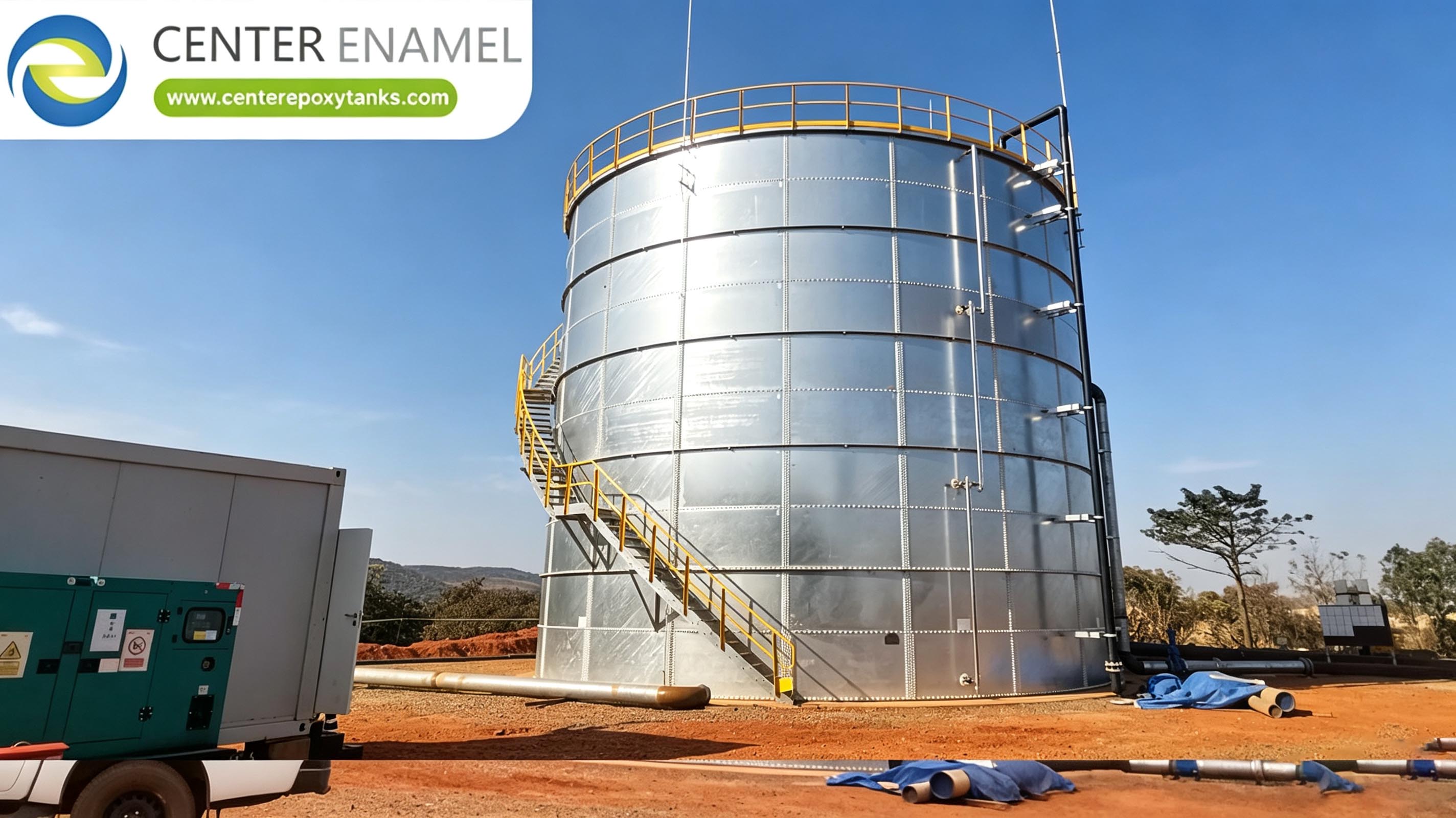
Galvanized Steel Agricultural Water Storage Tanks: A Cornerstone of Modern Farming
Efficient water management is the backbone of successful agricultural operations. Whether you are managing large-scale irrigation systems, providing reliable drinking water for livestock, or harvesting rainwater, the infrastructure you choose must be durable, scalable, and cost-effective. Galvanized steel agricultural water storage tanks have become the industry standard, offering a superior alternative to traditional concrete or plastic tanks.
Why Galvanized Steel is the Agricultural Gold Standard
The primary advantage of galvanized steel tanks lies in their material composition. By subjecting steel to a hot-dip galvanizing process, the metal is coated in a robust layer of zinc. This layer provides cathodic protection—meaning even if the surface is scratched, the zinc will preferentially corrode to protect the underlying steel, preventing rust and ensuring longevity.
Comparative Performance Matrix
Feature | Galvanized Steel Tanks | Plastic/Poly Tanks | Concrete Reservoirs |
Durability | Excellent (20–40+ years) | Moderate (Prone to UV brittleness) | Variable (Cracking risk) |
Installation | Rapid (Bolted, modular) | Easy (Pre-molded) | Slow (Site-poured) |
Structural Integrity | High (Load-bearing) | Low (Can deform) | High (But prone to leaks) |
Repairability | High (Replaceable panels) | Low (Often replace-only) | Low (Costly repairs) |
Sustainability | 100% Recyclable | Low (Recycle limited) | Low |
Key Agricultural Applications
Galvanized steel tanks offer versatile storage for a variety of farming needs:
Irrigation Systems: Large-scale storage for drip or sprinkler irrigation, ensuring consistent water supply during peak dry seasons.
Livestock Watering: Provides a clean, reliable, and hygienic water source for cattle, poultry, and pigs, minimizing contamination risks.
Rainwater Harvesting: Collects and stores run-off, reducing dependence on municipal or groundwater resources and promoting sustainable "green" farming.
Aquaculture: Highly suitable for fish and shrimp farming where stable water quality is essential for stock health.
Design and Engineering Benefits
Beyond mere storage, the design of modern galvanized agricultural tanks offers practical benefits for farm operations:
Modular Assembly: Tanks are constructed from prefabricated, bolt-together panels. This allows for assembly in remote locations without the need for heavy welding equipment or specialized cranes.
Scalability: As your farming operation grows, many bolted steel systems allow for expansion. You can often increase the height or diameter of the tank to accommodate larger capacity requirements.
Environmental Resilience: The structural stability of steel makes these tanks resistant to high winds, seismic shifts, and extreme temperature variations, ensuring your water supply remains safe even during harsh weather events.
Hygiene and Water Quality: When equipped with food-grade internal liners (PE, PVC, or TPU), these tanks prevent contact between the water and the steel, ensuring the supply is safe for both edible crops and livestock.
Frequently Asked Questions (FAQ)
How long can I expect a galvanized steel water tank to last?
With proper routine inspection and maintenance, galvanized steel agricultural tanks are engineered to last between 20 and 45 years, significantly outperforming many plastic or low-grade steel alternatives.
Are these tanks suitable for storing drinking water?
Yes, when paired with an NSF-compliant, food-grade internal liner, these tanks are perfectly safe for storing potable water for both human and livestock consumption.
Do galvanized steel tanks require a lot of maintenance?
No. Because of the zinc coating's corrosion resistance, these tanks require minimal maintenance compared to other options. Routine inspections to check the integrity of the liners and bolt connections are generally all that is needed to ensure decades of service.
Can I install these tanks on my own?
While they are designed for "easy assembly," they are large-scale industrial assets. Depending on the size, they are often installed by farm staff using provided manuals or by professional installers. The bolt-together design eliminates the need for expensive on-site welding or specialized equipment.


