Fuel Storage Tanks: Above Ground Vs. Below Ground – Which Is Right for Your Operation?
When designing a commercial fueling site, emergency generator backup system, or industrial distribution hub, one of the most critical decisions facility managers face is choosing between Aboveground Storage Tanks (ASTs) and Underground Storage Tanks (USTs).
Each system offers distinct engineering advantages and operational trade-offs. While ASTs provide immediate accessibility and lower installation overhead, USTs maximize surface space and shield fuel reserves from extreme weather and physical impacts. Evaluating site constraints, safety regulations, and long-term maintenance costs is essential for making an informed capital investment.
1. Aboveground Storage Tanks (ASTs): Overview and Key Traits
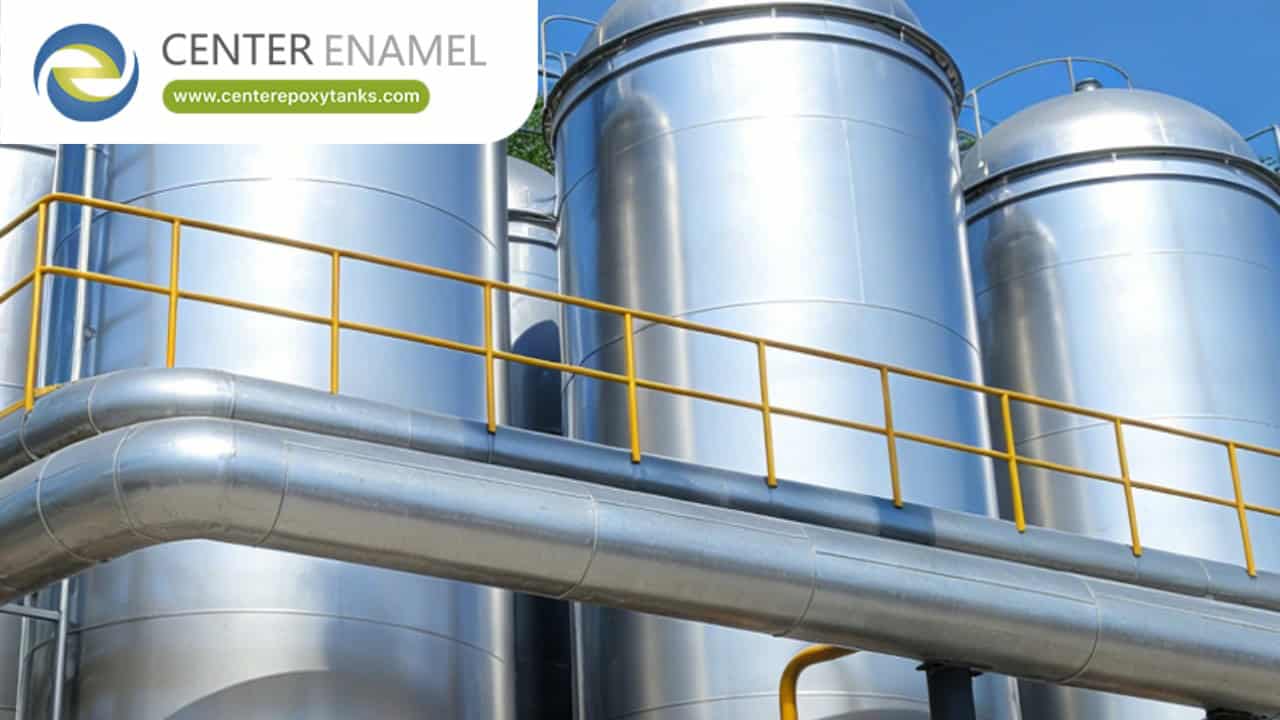
Aboveground storage tanks sit entirely on or above grade level. They are widely favored across industrial yards, agricultural sites, and commercial emergency power setups due to their visibility and straightforward deployment.
Easy Inspection and Maintenance: Visual checks can instantly spot rust, weeping seams, or external damage, allowing for immediate corrective action.
Lower Upfront Installation Costs: Because they do not require heavy excavation, soil testing, or complex shoring, setup is faster and significantly less expensive.
Operational Flexibility: ASTs can be easily relocated if a facility expands or changes job sites.
Surface Footprint Requirements: ASTs require dedicated surface acreage and must comply with strict setback rules from property lines and buildings per fire codes.
Environmental Exposure: Being outdoors exposes tanks to extreme temperature fluctuations, UV radiation, and potential physical impact from site vehicles unless protected by double-wall designs or bollards.
2. Underground Storage Tanks (USTs): Overview and Key Traits
Underground storage tanks are buried beneath grade level, making them the preferred choice for urban service stations and commercial properties where real estate is at a premium.
Space Optimization: Burying the tank frees up valuable surface real estate for other structural operations or parking layout designs.
Protection from Elements: Subsurface placement insulates the vessel from weather extremes, storm damage, surface vandalism, and accidental vehicle collisions.
Aesthetic Integration: Hiding the storage infrastructure maintains a clean visual environment, which is particularly beneficial in commercial or residential zones.
Complex and Expensive Installation: Civil engineering excavation, soil removal, shoring, and anti-buoyancy anchoring drive up initial capital expenditure.
Hidden Leak Risks: Because the tank is buried, minor leaks can go undetected for extended periods, risking severe soil and groundwater contamination before discovery.
Data Table: AST vs. UST Comparative Matrix
Evaluation Parameter | Aboveground Storage Tanks (ASTs) | Underground Storage Tanks (USTs) |
Initial Installation Cost | Lower (Minimal site excavation or prep) | Higher (Requires excavation, shoring, and soil testing) |
Space Utilization | Requires dedicated surface land area | Maximizes surface area for other uses |
Inspection & Monitoring | Immediate visual checks for leaks and rust | Requires specialized electronic sensors and interstitial monitoring |
Regulatory Oversight | Governed by fire codes (NFPA 30) and UL standards | Heavily regulated by EPA and environmental protection agencies |
Relocation Potential | High portability for temporary or moving sites | Permanent installation; highly difficult to relocate |
Frequently Asked Questions (FAQ)
Q: Which is less expensive to install: an above ground or underground fuel tank?
A: Aboveground storage tanks (ASTs) are generally much less expensive to install because they do not require heavy excavation, soil testing, shoring, or extensive civil engineering work.
Q: How do you detect leaks in underground storage tanks compared to above ground tanks?
A: AST leaks can typically be detected instantly through routine visual inspections of the shell and containment area. In contrast, USTs rely on advanced electronic automatic tank gauging (ATG) systems, interstitial sensors, and regular inventory reconciliation because visual monitoring is impossible.
Q: Are underground tanks more heavily regulated than above ground tanks?
A: Yes. Because subsurface leaks pose a direct threat to local groundwater aquifers and soil safety, USTs face rigorous federal, state, and environmental compliance reporting compared to standard ASTs.
Q: Can above ground tanks be protected against weather and vehicle impact?
A: Modern ASTs—such as double-wall tanks, fire-protected units (UL 2085), and tanks encased in concrete or steel barriers—are engineered to withstand severe weather, UV exposure, and accidental physical impacts.


