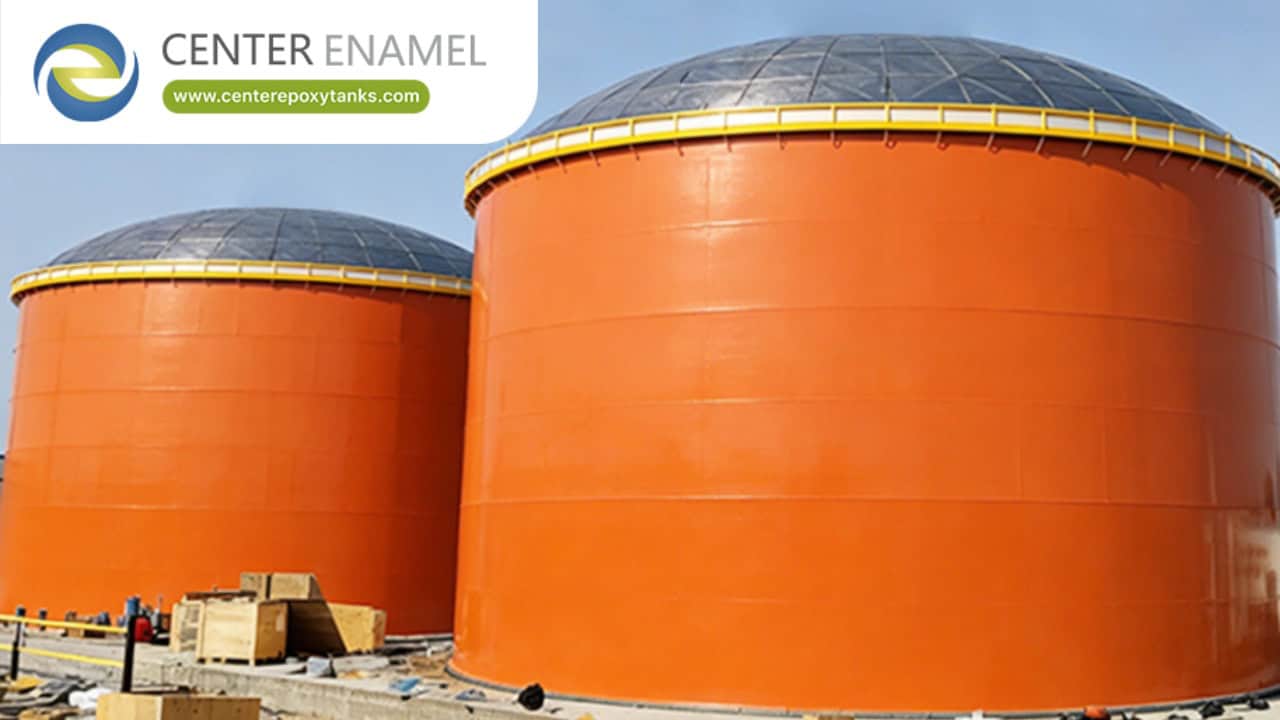
Food-Grade Epoxy Coated Tanks: The Gold Standard for Beverage Storage
In the beverage industry—covering everything from potable water and fruit juices to soft drink syrups and alcoholic beverages—infrastructure integrity is a primary food safety pillar. Food-grade epoxy coated tanks provide an engineered barrier that separates the liquid product from the structural steel substrate. This specialized lining is critical for maintaining flavor profiles, preventing microbial growth, and ensuring long-term compliance with international health regulations.
1. Core Benefits of Food-Grade Epoxy Linings
The transition from standard industrial coatings to food-grade epoxy systems is driven by three technical imperatives:
● Inert Barrier Protection: Epoxy coatings create a dense, cross-linked network that prevents the migration of metallic ions from the steel substrate into the beverage. This is essential for acidic liquids (e.g., fruit juice, beer) which would otherwise corrode standard steel.
● Microbial Resistance: The coating provides a perfectly smooth, non-porous finish. By eliminating microscopic pits and seams, it prevents the colonization of bacteria, mold, and yeast, ensuring the tank remains truly sanitary.
● Operational Longevity: Food-grade epoxy systems are engineered to withstand repeated Clean-in-Place (CIP) cycles. They maintain structural adhesion even when exposed to high-temperature cleaning agents, caustic solutions, and sodium hypochlorite, significantly reducing maintenance costs.
2. Global Compliance & Standards
For a tank to be classified as "food-grade," it must meet rigorous international standards for direct and indirect food contact. When sourcing or specifying tanks, ensure they align with the following benchmarks:
● FDA 21 CFR 175.300: The primary U.S. standard for resinous and polymeric coatings used in food contact applications.
● EU Regulation 10/2011 & 1935/2004: Governing plastic materials and articles intended to come into contact with food within the European market.
● NSF/ANSI 51: A certification for food equipment materials that confirms the coating is free from toxic extractables and heavy metals.
Technical Note: Leading epoxy systems are now formulated to be BPA-free or utilize BFDGE (Bisphenol F diglycidyl ether) chemistries, anticipating stricter future regulations regarding migratable compounds.
3. Comparative Overview of Storage Materials
Feature | Food-Grade Epoxy Coated Steel | Stainless Steel | Concrete (Lined) |
Hygienic Surface | Excellent (Seamless) | Excellent | Good (Variable) |
Acid Resistance | High | Excellent | Low (Requires heavy lining) |
Cost-Efficiency | High (Optimal for large volume) | Low (Expensive) | Moderate |
Maintenance | Minimal (CIP compatible) | Minimal | High (Joint/crack repair) |
4. Engineering Best Practices for Beverage Tanks
To maximize the service life and safety of your storage assets, implement these three industry protocols:
1. Holiday Testing (Spark Testing): Every interior square meter should be tested for pinholes (holidays). This electrical continuity test ensures the protective barrier is 100% continuous before the tank enters service.
2. Environmental Controls: When selecting a manufacturer, verify that the application occurs in a climate-controlled facility. Humidity and temperature variations during the curing process are the leading causes of premature coating failure.
3. Hygienic Appurtenances: Ensure the tank includes features like conical bottoms for complete drainage, high-efficiency spray balls for CIP, and nitrogen blanketing systems to prevent product oxidation.
5. Frequently Asked Questions (FAQ)
Q: Does epoxy coating affect the taste of my beverage?
A: No. Properly cured, food-grade epoxy is entirely inert. It is designed specifically to prevent any leaching of odor or taste into the stored liquid, preserving the organoleptic properties of the product.
Q: How often does an epoxy lining need to be inspected?
A: While high-performance epoxy linings can last 20+ years, it is industry best practice to perform an internal visual and thickness inspection annually or during major facility shutdowns to verify the integrity of the coating.
Q: Can epoxy-coated tanks be used for both dairy and acidic juices?
A: Yes, provided the specific epoxy formulation is certified for both. Always check the chemical resistance data sheet (SDS) for your specific product lineup to ensure compatibility with your CIP chemistry.
Ensuring Quality in Your Beverage Pipeline
Selecting the right storage solution is a long-term commitment to your brand's reputation. Whether you are expanding a brewery or upgrading a juice processing plant, prioritize manufacturers who offer full NDT (Non-Destructive Testing) documentation, food-contact certification certificates, and proven case studies in your specific sector.
Are you currently in the design phase for a new beverage processing facility, or are you looking to retrofit existing tanks to meet modern food safety certifications?


