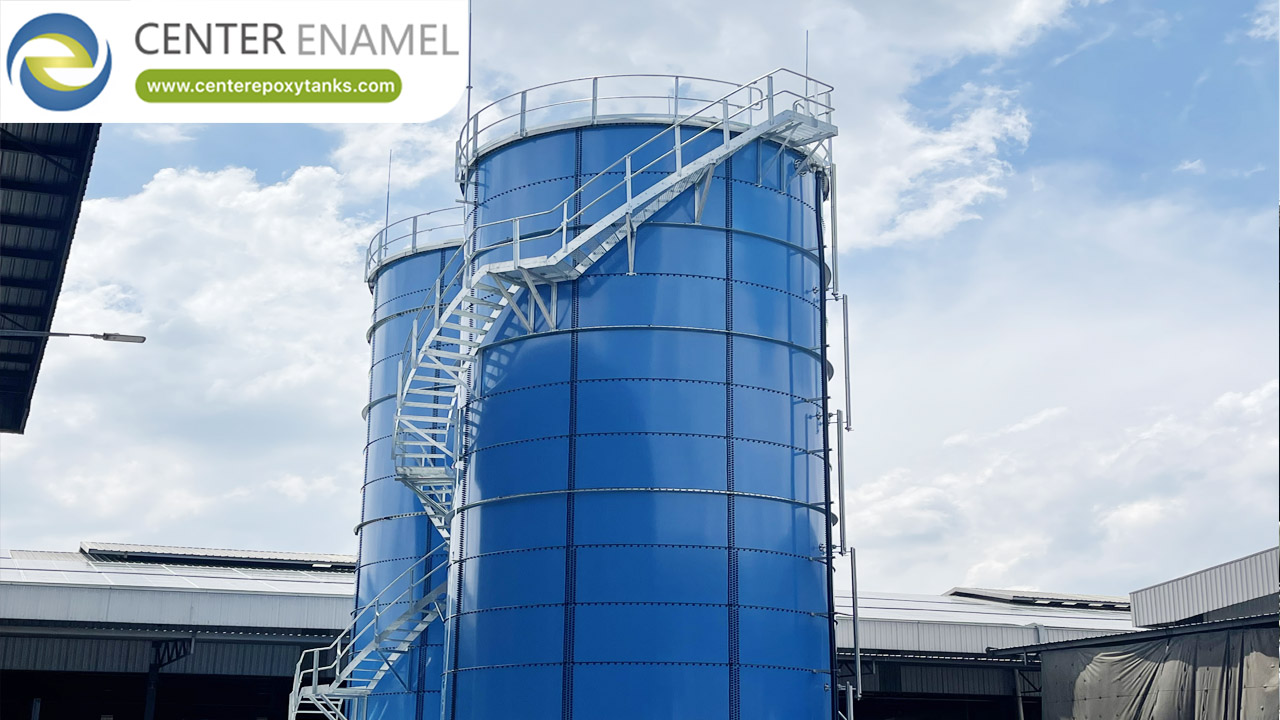
Floating Roofs for Hydraulic Oil Tanks
A floating roof for hydraulic oil tanks is the primary vapor-control measure for fixed-roof hydraulic oil tanks in service, cutting evaporative loss and fire risk while keeping the stored product on-spec.
The right specification depends on tank diameter, product volatility, and local climate. This article explains floating roof types, the applicable standards, and how to select the configuration that matches your duty.
Main Topic / Definition
A floating roof is a buoyancy-supported deck that rides directly on the liquid surface inside a storage tank, eliminating the fixed-roof-to-liquid vapor space that drives evaporation and breathing losses.
Internal vs external
· Internal floating roof (IFR): a deck inside a fixed roof - best for low-flash products and tank farms where external fire exposure matters.
· External floating roof (EFR): a deck with a rim seal under an open-top or weak-roof tank - standard for large crude and fuel oil tanks.
Key Characteristics / Components / Types
Deck and seal
· Deck type: welded steel pontoon, full-contact pan, or aluminum sandwich - chosen by product and fire class.
· Rim seal: mechanical shoe seal or liquid-mounted seal; the seal is the dominant source of residual emissions, so its condition drives performance.
· Guide poles and anti-rotation cables keep the deck centered without creating fixed vapor paths.
Applications / Use Cases
floating roofs are used on crude oil terminals, refinery tank farms, fuel oil and lubricant bulk plants, and hydraulic oil service where volatility and emissions limits apply.
· Terminals moving large volumes benefit most from EFR on cone roofs.
· Additive and small-gradient tanks favor IFR inside a fixed roof.
Technical Considerations
Diameter and product volatility set the roof class. High-volatility crude and gasoline need certified seals and often a secondary seal. In high-temperature or dusty service, deck coating and seal material selection prevent premature wear.
· Sinking risk: deck buoyancy must exceed the weight of rain accumulation plus any maintenance load - verify the design rain load.
· Fire: rim-seal fire is the leading EFR loss event; a primary plus secondary seal and foam dam reduce exposure.
Advantages and Limitations
· Advantages: 90-99 percent VOC loss reduction versus a fixed cone roof, lower fire exposure, better product recovery.
· Limitations: higher capital cost, ongoing seal inspection, and deck access constraints during maintenance.
Comparison / Selection Guide
Roof type | Typical VOC loss reduction | Best for | Key limit |
Internal floating roof (IFR) | Up to 99% | Fixed-roof tanks, low-flash products | Deck must stay afloat |
External floating roof (EFR) | ~90-95% | Large crude / fuel oil tanks | Rim-seal fire risk |
Fixed cone roof (no float) | Baseline | Short-term or low-volatility | Highest emissions |
Best Practices / How to Choose
· Match roof class to product flash point and terminal emissions permit.
· Specify a dual seal (primary + secondary) for volatile service.
· Build a rim-seal and deck inspection routine into the maintenance plan from day one.
A well-specified floating roof turns an open vapor space into a controlled, low-emission interface. Select the roof class by product volatility and climate, then protect the seal through inspection.
Frequently Asked Questions (FAQ)
What is a floating roof for hydraulic oil tanks and when is it used?
A floating roof for hydraulic oil tanks is a containment or cover solution for hydraulic oil service, used where standard bulk tanks need material, roof, or coating specification to perform safely and meet code. Selection starts from the product and duty, not a default form.
How do I choose between roof types for hydraulic oil?
Match the roof to product volatility and climate. Floating roofs cut vapor loss on volatile liquids; domes enclose the vapor space and remove internal columns. Verify local wind, snow, and seismic loads before fixing the form.
Which standard applies to floating roof for hydraulic oil tanks?
Storage tanks follow API 650, with Annex C for external floating roofs and Annex H for internal floating roofs; venting follows API 2000 and fire protection NFPA 30. Domed covers add ASCE 7 load cases.
How long does a floating roof for hydraulic oil tanks last?
Service life follows material and maintenance: welded carbon steel with a good coating and bottom program runs decades; stainless and GFS extend life further. Inspection and lining care decide the outcome.
What are the most common failures to avoid with floating roof for hydraulic oil tanks?
The usual problems are wrong coating for the product, ignored rim seals on floating roofs, under-specified venting, and no bottom-inspection plan. Address these at specification, not after commissioning.


