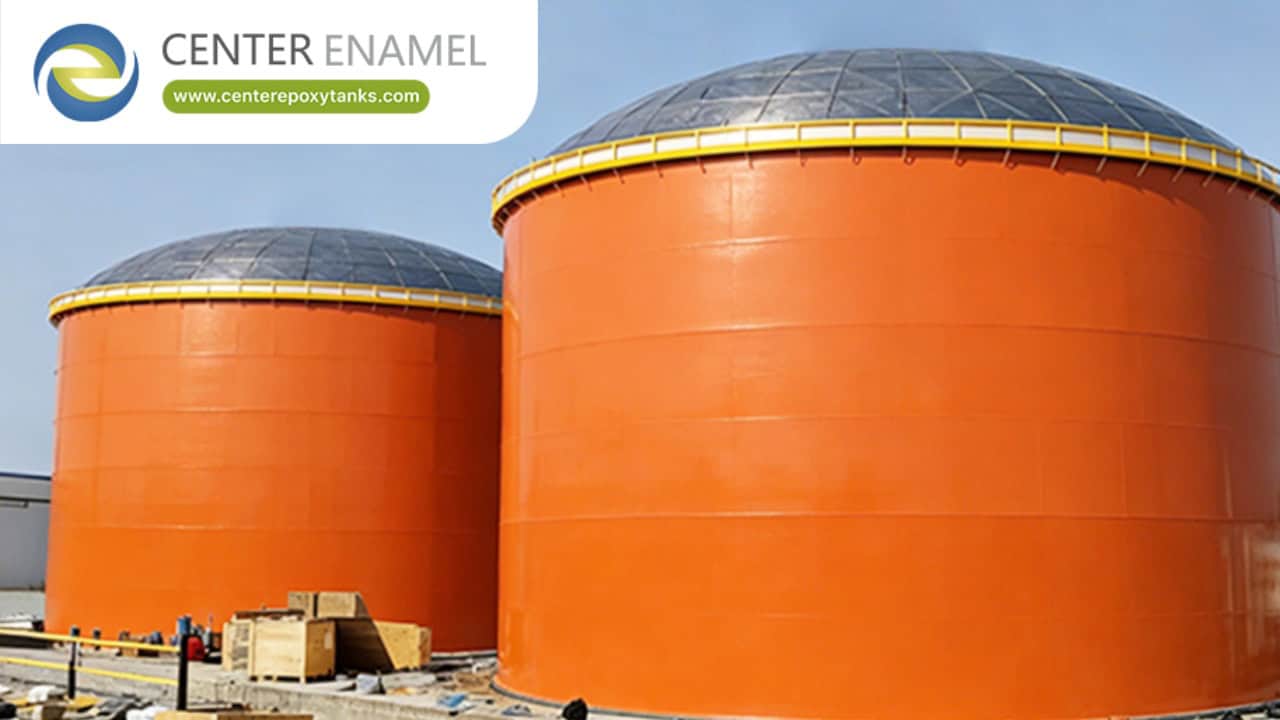
Finished Product Oil Storage Containers
The phrase finished product oil storage container covers a wide family of vessels for hydrocarbons and their byproducts; picking the right member depends on phase, pressure, and duty.
This overview maps finished product containers to the correct tank or pressure vessel type, the standards that apply, and a selection path.
Main Topic / Definition
Finished product containers range from atmospheric storage tanks (API 650) through low-pressure tanks to pressure vessels (ASME VIII) for gas and vapor service.
Storage vs pressure
· Atmospheric tank: liquid, near-ambient pressure.
· Low-pressure tank: slight positive pressure, vapor space.
· Pressure vessel: gas or vapor at meaningful pressure, ASME VIII.
Key Characteristics / Components / Types
Selection axes
· Phase: liquid, gas, or two-phase sets the boundary.
· Pressure: above ~15 psig typically moves you to ASME VIII.
· Volatility: drives floating roof or vapor handling.
Applications / Use Cases
Finished product containers appear at production, gathering, refining, terminals, and power plants - each with a different dominant duty.
· Refineries: mix of tanks and process vessels.
· Terminals: dominated by bulk atmospheric storage.
Technical Considerations
Confirm phase and pressure first; that single decision selects the code. Then address venting (API 2000), fire (NFPA 30), and containment.
· Space-saving: vertical integral tanks or racked layouts cut footprint where land is tight.
· Finished-product containers need handling and labeling compliance.
Advantages and Limitations
· Advantages: right-sized vessel improves safety and cost.
· Limitations: misclassifying phase/pressure creates code and safety gaps.
Comparison / Selection Guide
Service | Code | Typical form | Note |
Liquid, atmospheric | API 650 | Vertical cylindrical | Bulk storage |
Low-pressure vapor | API 650 / 620 | Low-pressure tank | Vapor space |
Gas / vapor pressure | ASME VIII | Pressure vessel | Above ~15 psig |
Best Practices / How to Choose
· Define phase and max pressure before selecting a form.
· Apply the governing code, not a default.
· Address venting, fire, and containment together.
Finished product containers is a family, not a product. Classify by phase and pressure, then apply the matching code and form.
Frequently Asked Questions (FAQ)
What is a finished product oil storage container and when is it used?
A finished product oil storage container is a containment or cover solution for finished product containers service, used where standard bulk tanks need material, roof, or coating specification to perform safely and meet code. Selection starts from the product and duty, not a default form.
What vessel type fits finished product oil storage container?
Classify by phase and pressure first: atmospheric liquid uses API 650 tanks, low-pressure vapor uses low-pressure tanks, and gas above roughly 15 psig uses ASME VIII vessels.
What should I specify beyond the tank for finished product containers?
Define the exact fluid (solids, pH, temperature), then the lining, cover, and any process integration. Pair with venting, fire, and containment per the applicable code.
How long does a finished product oil storage container last?
Service life follows material and maintenance: welded carbon steel with a good coating and bottom program runs decades; stainless and GFS extend life further. Inspection and lining care decide the outcome.
What are the most common failures to avoid with finished product oil storage container?
The usual problems are wrong coating for the product, ignored rim seals on floating roofs, under-specified venting, and no bottom-inspection plan. Address these at specification, not after commissioning.


