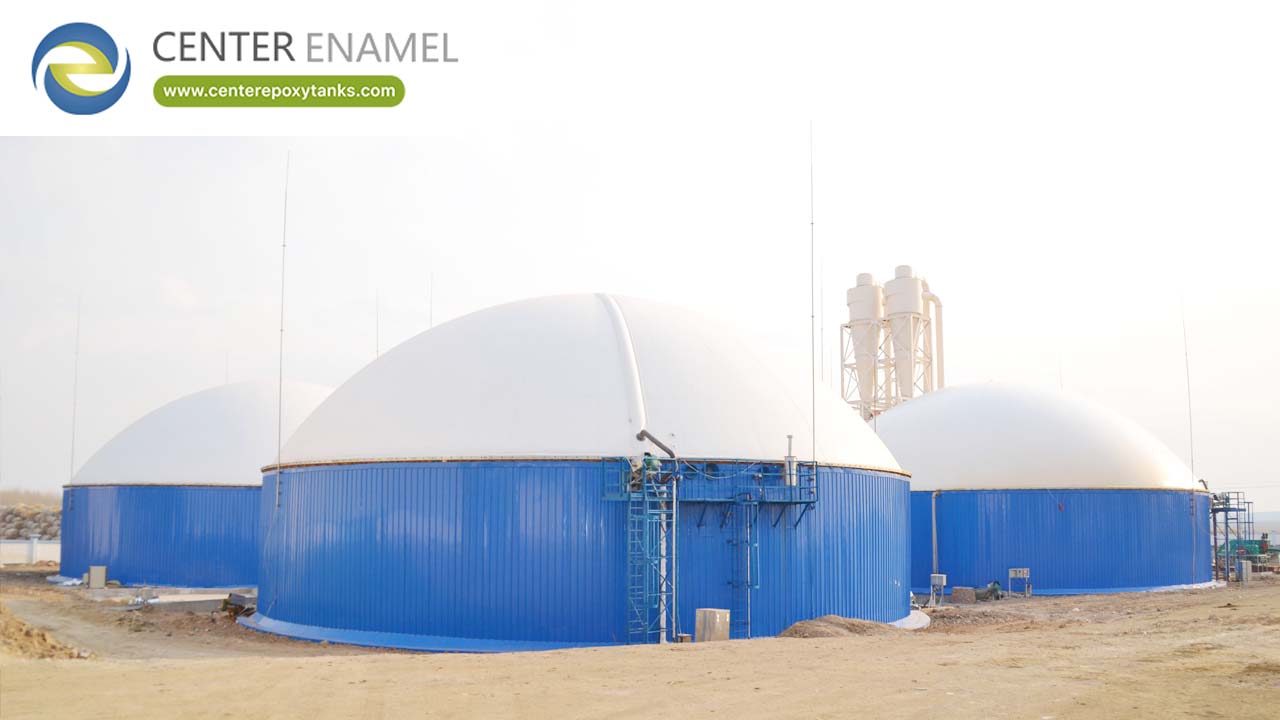
Flexible Membrane Biogas Holders: Decentralized Energy Solutions for Rural Development
For rural communities, energy independence is often hindered by the logistical costs of centralized power grids. Flexible membrane biogas holders provide a transformative solution by offering a low-cost, modular, and highly efficient method for storing methane captured from agricultural waste. Unlike rigid steel or concrete gas tanks, flexible membrane systems are lightweight, easy to transport, and can be rapidly deployed on farms or in decentralized community hubs. When integrated with modern anaerobic digesters, they create a circular economy where farm waste is converted into consistent, reliable energy for cooking, heating, and localized electricity.
1. The Rural Advantage: Scalability and Autonomy
The shift toward decentralized energy requires technology that is "plug-and-play" rather than "build-and-wait." Flexible membrane gas holders offer three specific advantages for rural development:
● Modular Portability: Prefabricated membranes can be shipped to remote locations with minimal infrastructure, reducing the heavy logistics costs typically associated with large-scale industrial tank construction.
● Active Pressure Management: By utilizing an air-supported outer membrane, these systems maintain a constant operating pressure. This ensures that even small-scale rural biogas systems can provide a steady gas flow to household burners or micro-turbines without expensive external compressors.
● Low Maintenance Infrastructure: Rural regions often lack the specialized workforce for complex mechanical repairs. Membrane holders have no moving parts—aside from a small blower—making them significantly easier to maintain than traditional piston-type or rigid steel gas holders.
2. Technical Comparison: Flexible Membranes vs. Traditional Storage
Engineers designing for rural or agricultural applications must balance CAPEX (Capital Expenditure) with longevity.
Feature | Flexible Membrane Holder | Traditional Rigid Tank |
Material Weight | Ultra-light (Easy transport) | Heavy (Requires crane/logistics) |
Deployment Time | Days | Months |
Pressure Control | Integrated/Active | Passive (Often requires pumps) |
Footprint | Modular/Variable | Fixed/Large |
Corrosion Risk | Inert (Acid/Sulfide resistant) | High (Requires periodic painting/repair) |
3. Synergistic Integration: GFS Tanks + Membrane Holders
For a rural biogas plant to be truly sustainable, the digester must last as long as the gas holder. The most effective decentralized solution pairs Glass-Fused-to-Steel (GFS) digesters with flexible membrane roofs.
1. Chemical Synergy: The GFS tank provides a robust, glass-lined interior that resists the acids in animal manure, while the membrane roof provides an inert barrier that resists the corrosive H2S (Hydrogen Sulfide) in the biogas.
2. Climate Adaptability: Both components are resilient against extreme temperatures and UV radiation, making them suitable for diverse rural climates—from arid agricultural regions to humid tropical farms.
3. Total Asset Lifespan: Both technologies are engineered for 20+ year service lives with minimal intervention, protecting the community's investment from the common "degradation cycle" of low-cost, unlined concrete pits.
4. Frequently Asked Questions (FAQ)
Q: Are these membranes durable enough for harsh agricultural conditions?
Yes. Modern gas holder membranes are constructed from high-tenacity polyester fabric with specialized PVC or PVDF coatings. These materials are engineered to resist chemical damage from manure-based biogas, as well as mechanical damage from UV exposure and outdoor weather.
Q: Is this technology cost-effective for small-scale farms?
Absolutely. By eliminating the need for massive, expensive, and time-consuming concrete construction, flexible membrane holders allow rural projects to focus their budget on the digester itself and the energy utilization equipment (generators/heaters).
Q: How do we manage safety in decentralized systems?
Membrane systems are inherently safer for rural operation. They are equipped with automated overpressure relief valves and can be connected to simple, low-cost monitoring systems that alert the operator if gas levels become unstable.
Engineering Consultation for Rural Projects
Empowering rural communities requires technology that is robust, efficient, and easy to maintain. We provide comprehensive design reviews and feasibility studies to integrate flexible membrane storage with your agricultural or municipal digester projects.
Our team provides full design reviews, material compatibility reports, and structural integration plans to ensure your decentralized biogas project delivers energy independence for years to come.


