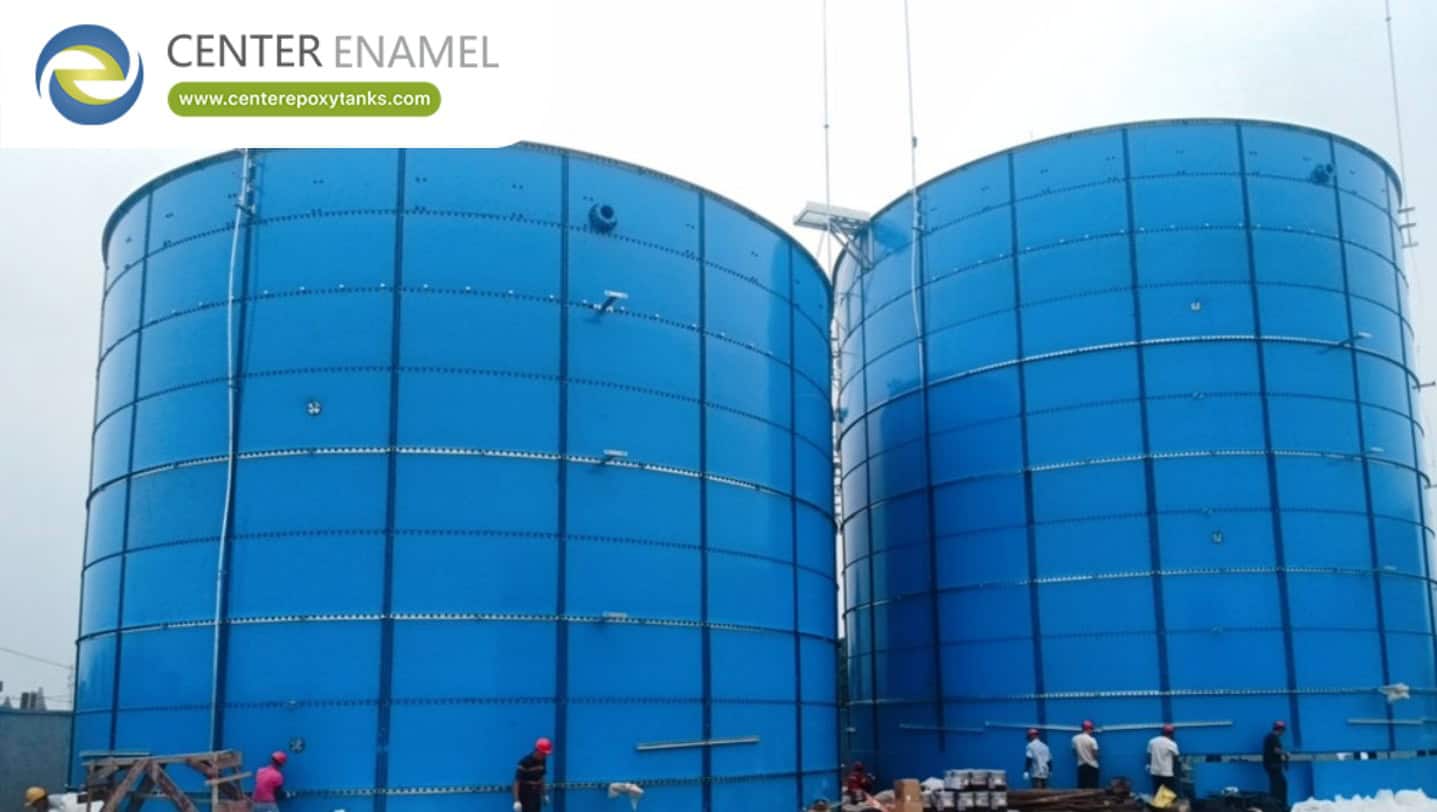
Epoxy Coated Bolted Tanks for Drinking Water Storage: Engineering & Compliance Guide
Providing reliable, safe, and clean drinking water is the most critical function of municipal and industrial water utilities. The integrity of the storage asset is the first line of defense in maintaining water quality. Factory-applied epoxy coated bolted steel tanks represent the modern standard for potable water storage, merging structural durability with strict adherence to public health codes. These tanks provide a pristine, non-reactive interior environment that prevents contamination while offering significant cost and installation advantages over traditional concrete or field-welded storage vessels.
1. Regulatory Standards: The Non-Negotiables
When engineering or procuring a drinking water tank, technical specifications must prioritize safety certifications above all else. Two critical standards define this sector:
NSF/ANSI 61: Drinking Water System Components
Any material that comes into contact with potable water must be certified to NSF/ANSI 61. This standard ensures that the epoxy coating—and any associated gaskets, sealants, or appurtenances—does not leach harmful levels of chemicals, heavy metals, or contaminants into the water supply.
AWWA D103-09: Factory-Coated Bolted Carbon Steel Tanks
This standard establishes the minimum requirements for the design, fabrication, and erection of bolted steel tanks. It dictates the structural integrity required to withstand seismic forces, high wind loads, and hydrostatic pressure, ensuring the tank will remain functional for decades.
2. The Science of Factory-Applied Coatings
The primary advantage of epoxy coated bolted tanks over traditional field-welded or concrete alternatives is the controlled manufacturing environment.
The Thermal Cross-Linking Process
Unlike field-applied paints, which are subject to ambient temperature, humidity, and airborne contaminants, factory-applied coatings follow a rigorous sequence:
1. Mechanical Preparation: Steel plates are blasted to an SSPC-SP10/NACE No. 2 near-white metal standard, creating an ideal anchor profile for adhesion.
2. Precision Application: High-solids epoxy is applied in a cleanroom setting.
3. Thermal Curing: Plates are passed through high-temperature curing ovens. This thermal energy triggers cross-linking, transforming the epoxy into a high-molecular-weight polymer matrix. This results in a coating that is substantially harder, denser, and more chemically inert than air-dried alternatives.
Corrosion Resistance
The epoxy barrier effectively isolates the carbon steel substrate from the water, preventing the formation of iron oxide (rust) or bacterial biofilm buildup. The smooth, glass-like finish of the cured epoxy ensures that sediment accumulation is minimized and cleaning procedures are highly efficient.
3. Engineering Analysis: Hoop Stress and Structural Design
To ensure stability under full capacity, tanks are designed to handle the hydrostatic pressure exerted on the lower rings. Engineers utilize specific variables to calculate the required shell thickness
This mathematical approach allows for optimized material usage—heavier, thicker plates for the bottom rings where pressure is highest, and lighter plates for upper rings—resulting in a highly efficient and safe structure.
4. Comparative Analysis: Potable Water Infrastructure
Feature | Epoxy Bolted Steel | Cast-in-Place Concrete | Field-Welded Steel |
Water Quality | Excellent (Inert/Non-leaching) | Good (Prone to lime leaching) | Good (Requires specialized liner) |
Installation Time | Rapid (Modular assembly) | Very Slow (Pouring/Curing) | Slow (Field welding/testing) |
Maintenance | Low (Minimal inspection) | High (Crack/Seepage repair) | Moderate (Periodic recoating) |
Expansion | Scalable (Add rings) | Not expandable | Limited scalability |
Seismic Performance | Highly Engineered | Vulnerable (Cracking) | High |
5. Operational Benefits for Municipalities and Industry
● Rapid Deployment: Because panels are pre-fabricated and flat-packed, installation time is reduced to weeks rather than months, minimizing project disruption.
● Scalability: Bolted tanks can often be disassembled, relocated, or even expanded by adding additional ring sections as community or industrial demand grows.
● Low Lifecycle Cost: By eliminating the need for frequent field sandblasting and repainting, and utilizing non-corrosive gaskets (EPDM/Viton), municipalities significantly lower their long-term OpEx.
6. Frequently Asked Questions (FAQ)
Q: Are these tanks suitable for cold climates with heavy snow loads?
A: Yes. AWWA D103-09 designs specifically account for local ground snow loads. Additionally, the interior epoxy finish is resistant to freeze-thaw cycles that would typically crack concrete structures.
Q: How do you prevent leaks at the panel seams?
A: Seams are sealed using NSF 61-compliant, high-performance gaskets that are compressed between the bolted steel plates. This ensures a flexible, watertight seal that accommodates thermal expansion and contraction.
Q: How long can I expect the interior epoxy coating to last?
A: When properly maintained and compliant with potable water standards, factory-applied epoxy coatings can provide 20 to 30+ years of service before significant touch-up or inspection-based maintenance is required.
For stakeholders tasked with securing potable water infrastructure, epoxy coated bolted steel tanks offer a sophisticated blend of material science and modular engineering. By adhering to strict standards like AWWA D103 and NSF/ANSI 61, these tanks provide a safe, scalable, and highly durable containment solution that protects both the quality of the water supply and the long-term fiscal health of the utility.
Are you currently in the planning stages for a municipal or private water storage project, and would you like to explore the specific seismic design considerations for your region?


