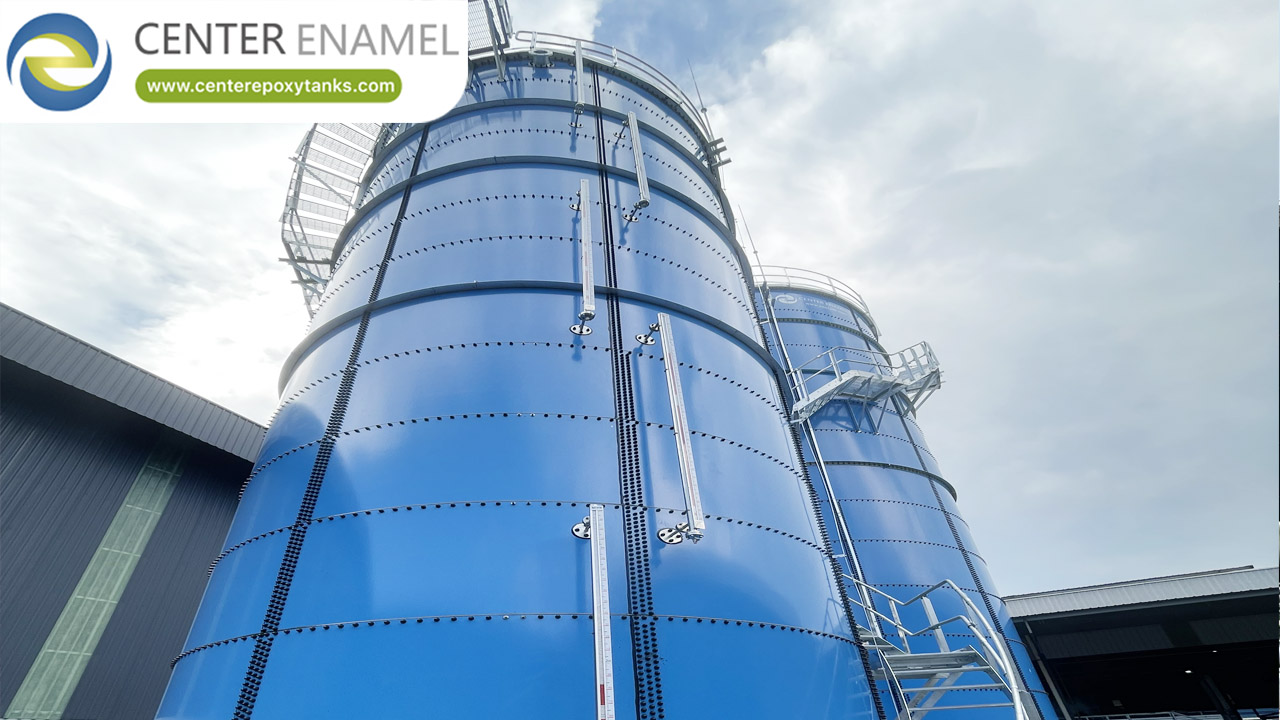
Durable Fusion-Bonded Epoxy (FBE) Tanks: The Future of Rainwater Harvesting
Rainwater harvesting has evolved from a simple residential concept into a mission-critical component of industrial sustainability and municipal water management. As global water scarcity increases, facilities are looking for reliable, large-scale storage solutions that preserve water quality without the high maintenance costs associated with traditional infrastructure.
Fusion-Bonded Epoxy (FBE) tanks have emerged as the industry benchmark for large-scale rainwater containment. By combining the structural rigidity of high-strength steel with a factory-controlled, chemically inert barrier, FBE tanks offer a level of longevity and water purity that concrete and polyethylene tanks cannot match.
Why FBE Technology is Superior for Rainwater
Rainwater is naturally soft and slightly acidic. When collected, it can leach heavy metals or contaminants from sub-par tank materials. FBE technology eliminates this risk. The epoxy coating is thermally fused to the steel, creating a monolithic, non-porous barrier that prevents water from ever contacting the steel substrate.
Performance Comparison: FBE vs. Traditional Solutions
Feature | Fusion Bonded Epoxy (FBE) | Polyethylene (Poly) | Concrete |
Purity/Potability | High (NSF 61 Compliant) | Moderate (Risk of leaching) | Low (Porosity issues) |
Lifespan | 20–30+ Years | 5–10 Years (UV degradation) | Variable (Cracking) |
Structural Integrity | High (Steel core) | Low (Wall deformation) | High (But heavy) |
Maintenance | Minimal | Moderate | High (Sealing required) |
Installation Speed | Fast (Modular Bolted) | Fast (Standard) | Very Slow |
Key Benefits for Industrial Rainwater Projects
1. Superior Potability & Hygiene
Industrial facilities often use harvested rainwater for process water, boiler feed, or cooling systems. FBE tanks are designed to be NSF/ANSI 61 compliant, ensuring that the stored water remains free from metallic contamination and bacterial growth. The smooth, glass-like interior finish prevents biofilm buildup, keeping the water cleaner for longer.
2. Resistance to Environmental Stress
Unlike plastic tanks that degrade under the constant exposure to UV radiation, or concrete tanks that can crack due to foundation shifts, FBE tanks are engineered to handle the extremes. The factory-controlled coating process ensures the shell remains resistant to weather, oxidation, and the naturally aggressive nature of rainwater.
3. Modular Scalability
Rainwater harvesting requirements often grow as a facility expands. Our modular, bolted tank design allows for capacity increases without the need to tear down or reconstruct infrastructure. You can add more capacity by expanding the tank shell, providing a cost-effective path to future-proofing your water storage.
4. Optimized Total Cost of Ownership (TCO)
While the upfront investment for an FBE tank is higher than a plastic tank, the TCO is significantly lower. By eliminating the need for periodic replacement, liner repairs, or structural sealing, FBE tanks pay for themselves through extreme longevity and zero-maintenance operation.
Frequently Asked Questions (FAQ)
Q: Why is FBE better than plastic (polyethylene) tanks for rainwater?
A: Plastic tanks are susceptible to UV degradation, which causes them to become brittle and crack over time. They are also prone to algae growth if light penetrates the wall. FBE tanks are opaque, UV-resistant, and possess the mechanical strength of steel, providing a much longer, more reliable service life.
Q: Are FBE rainwater tanks safe for drinking water?
A: Yes. High-quality FBE tanks are manufactured using coatings that meet NSF/ANSI 61 standards, which certify that the materials are safe for direct contact with potable water.
Q: How do you prevent corrosion in an FBE tank?
A: The "Fusion Bonded" process is the key. Unlike paints or liquid coatings that dry on the surface, FBE powder is heat-cured to chemically bond to the steel. This creates a non-porous, inert barrier that prevents water from reaching the steel, effectively stopping corrosion at the source.
Q: Is installation difficult on remote industrial sites?
A: No. FBE tanks are shipped as a "kit" of precision-manufactured panels. Because they utilize a bolted design, they can be assembled on-site using standard tools and light equipment, without the need for the heavy machinery or large crews required for concrete pours or massive steel welding.
Q: Does the coating need to be touched up?
A: Because the coating is factory-applied in a controlled environment, it is extremely durable and resistant to scratching. In the rare event of mechanical damage during installation, we provide field-proven touch-up kits that restore the integrity of the barrier quickly and effectively.
Are you currently specifying infrastructure for a new industrial facility or planning a sustainability upgrade to your water management system? [Contact the engineering team] today to request a technical proposal, capacity analysis, or custom design consultation for your rainwater harvesting project.


