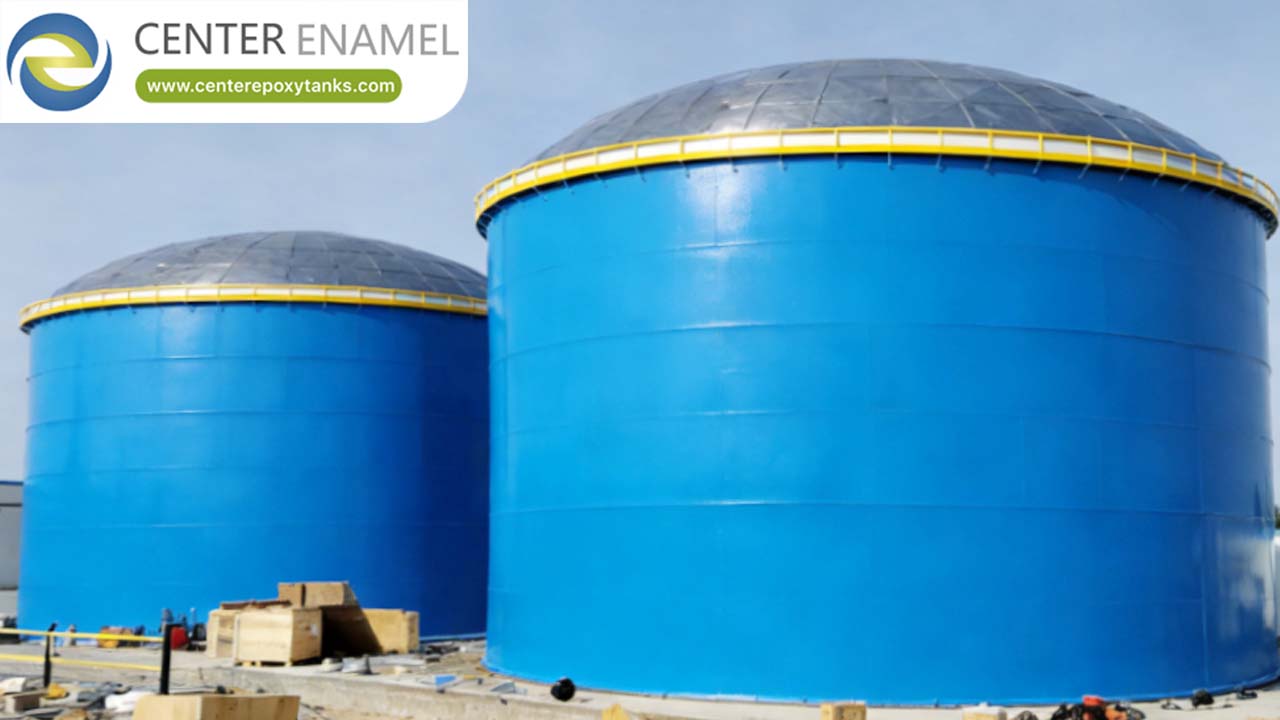
Drilling Mud Tank: Active and Reserve Pits in Steel
For drilling mud tank active and reserve pits, the right tank is defined by the stored medium, the duty cycle, and any coating or approval rule — not a single headline number. Steel, lined, and skid-mounted so the mud engineer can manage fluid without stopping the well. A drilling mud tank built with a verified coating system and correct sizing delivers a safe, low-maintenance installation.
What A Drilling mud tank Does
A drilling mud tank stores drilling fluid, mud, or brine on a rig so the circulation system has active and reserve volume close to the well. For drilling mud tank active and reserve pits, the tank must survive vibration, thermal swing, and abrasive, often saline, contents.
Steel, lined, and skid-mounted so the mud engineer can manage fluid without stopping the well.
Active And Reserve Pits
On a steel rig tank the volume is split into active (circulating) and reserve (backup) compartments so the mud engineer can hold, dilute, or weight-up fluid without stopping the operation. For mud pit the layout follows the rig's solids-control train.
Coated carbon steel or epoxy-lined steel is typical because the fluid is corrosive and the tank is moved between wells. Bolted or skid-mounted builds speed rig-up and rig-down.
Materials And Corrosion
Drilling mud and brine attack uncoated steel quickly. An internal epoxy or rubber lining, plus external coating, extends service life and keeps the fluid clean.
Design for an agitator load, a top walkway, and pipe connections that match the mud pumps and shale shakers. Drain and clean-out points matter because the tank is emptied and inspected between jobs.
Sizing And Compliance
Size from the active pit volume, reserve margin, and pit-volume-control requirement. Confirm lifting points, module weight, and road/heliport limits for the location.
Where produced water or brine is stored, local containment and secondary-bund rules apply; plan the bund and leak detection accordingly.
How To Specify This Tank
1. Define the medium and duty: confirm the mud pit specifics — chemistry, temperature, solids, and any approval such as NSF-61 / WRAS for potable-adjacent duty.
2. Set the capacity from the real driver — demand, retention time, or the fire hydraulic calculation — rather than a generic rule of thumb.
3. Choose the shell and lining: a bolted, factory-coated steel tank with the lining matched to drilling mud tank duty and environment.
4. Agree ancillaries and standards with the engineer of record — nozzles, roof type, level and pressure control, bunding, and the applicable codes.
5. Verify at acceptance: coating certificate, lining inspection, and a hydrostatic or gas-tightness test before handover.
Common Pitfalls To Avoid
· Specifying a size before the medium and duty are known — the lining and volume must follow the process.
· Treating the roof, membrane, or cover as a late add-on — it must be matched to the shell at design time.
· Skipping the lining inspection and pressure or hydrostatic test, which is where most lifecycle problems begin.
· Assuming one coating fits every product — verify compatibility with the actual stored medium and temperature.
Procurement, Delivery, And Commissioning
For drilling mud tank in mud pit, procurement should lock the coating specification and the quality evidence — coating certificate, lining inspection, and test record — before shipment. Bolted panels arrive flat-packed; site erection is fast, and the tank can later be dismantled and re-erected if the duty or location changes.
During commissioning, confirm level and pressure instrumentation, verify the lining survived transport and erection, and document the as-built condition. A documented handover supports permitting, audit, and a sensible maintenance plan over the tank's service life.
Lifecycle, Maintenance, And Inspection
A drilling mud tank is a long-life asset when the lining and structure are specified and verified for the duty. For mud pit, plan routine checks of the lining, the roof or membrane, nozzles, and level or pressure instruments, and keep a record of the as-built coating and test evidence for audit and warranty purposes.
Bolted construction makes future expansion, relocation, or re-coating straightforward compared with a welded tank. Where the medium or regulation changes, the same shell can often be re-lined rather than replaced, which protects both budget and uptime over the service life.
Technical Specifications To Confirm
Parameter | What to specify |
Medium / product | Mud pit — confirm chemistry, temperature, solids |
Capacity | From demand, retention time, or hydraulic calc |
Coating / lining | Epoxy or FBE; NSF-61 / WRAS if potable-adjacent |
Shell | Bolted steel (GFS / epoxy / stainless per duty) |
Roof | Sealed, dome, floating, or double-membrane per application |
Standards | ISO 28765, AWWA D103, NFPA 22 / EN 12845 as applicable |
Ancillaries | Nozzles, mixers, level control, bunding, access |
Center Enamel Capability For Mud pit
Center Enamel supplies bolted steel tanks — including epoxy-coated, FBE, GFS, galvanized, and stainless builds — for mud pit and adjacent duties such as fire-protection water, drinking water, municipal and industrial wastewater, and biogas. Each tank is engineered to the medium, with a factory-controlled coating, documented material spec, and lining inspection at acceptance.
· Coating systems specified per medium, including NSF-61 / WRAS where potable-adjacent.
· Bolted panels for fast erection and easy relocation or expansion.
· Relevant references: ISO 28765, AWWA D103, NFPA 22 / EN 12845 as applicable.
No single published project case is cited here as the formal Project Case because the available verified record does not include a directly matching mud pit installation in the exact drilling mud tank configuration. The technical content above stands on its own and follows the same engineering discipline as the company's documented deliveries.
Frequently Asked Questions
Q: What is a drilling fluids tank for?
A: It stores mud or brine on a rig so the circulation system has active and reserve volume near the well.
Q: Why split active and reserve?
A: So the mud engineer can hold, dilute, or weight-up fluid without stopping the operation.
Q: What material is used?
A: Coated carbon steel or epoxy-lined steel, often bolted or skid-mounted for fast rig-up and move-between-wells.
Q: How is corrosion managed?
A: An internal epoxy or rubber lining plus external coating; the fluid is corrosive and the tank is relocated often.
Q: What connections are needed?
A: Agitator load, top walkway, and pipe ties to mud pumps and shale shakers, with drain and clean-out points.
Q: How is it sized?
A: From active pit volume, reserve margin, and pit-volume-control requirement.
Drilling Mud Tank: Active and Reserve Pits in Steel comes down to matching the drilling mud tank to the medium, the duty, and the applicable standard. Specify the lining and sizing from the real operating condition, verify the coating and hydrostatic test at acceptance, and the installation will perform.
Request A Specification
Discuss your project with a Center Enamel engineer: share medium, capacity, site, and any approval requirement, and receive a tailored tank specification and quotation.


