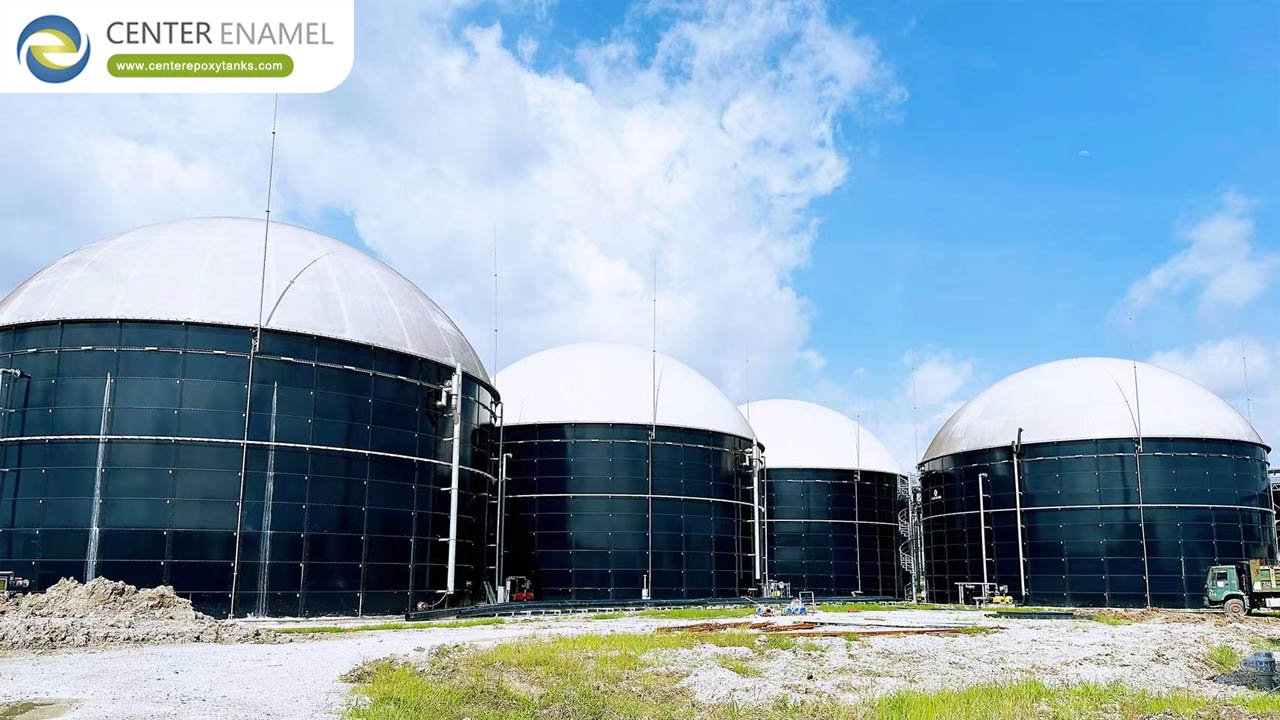
Double Membrane Roofs for Biogas Plants: Engineering & Integration Guide
A double membrane roof is an advanced, flexible gas storage solution designed to sit atop an anaerobic digester tank. It functions as both a structural cover and a dynamic gas holder, allowing biogas plants to store methane directly within the reactor footprint. By eliminating the need for separate, high-footprint gas storage tanks, these systems optimize plant efficiency, ensure constant delivery pressure, and provide a chemically resistant barrier against the corrosive environment inherent in biogas production.
1. The Engineering Mechanics
The system utilizes a multi-layer design that creates a stable, pressurized storage environment.
● Inner Membrane: This flexible barrier is in direct contact with the biogas. It expands as gas is produced and contracts as gas is consumed, providing a variable storage volume.
● Outer Membrane: This serves as the weather-protective dome. It is continuously inflated by an air blower system to provide a consistent shape and the necessary pressure for the gas holder.
● Inter-membrane Space: This pressurized air cushion provides the structural rigidity of the dome and ensures that the biogas remains under a consistent, manageable pressure, which is critical for downstream equipment like CHP engines or boilers.
2. Comparative Matrix: Membrane Roofs vs. Fixed Roofs
For engineers and facility managers, the roof choice is a fundamental design decision that affects the entire site's footprint and operational strategy.
Engineering Factor | Double Membrane Roof | Fixed Steel/Concrete Roof |
Gas Storage | Integrated (Stored in the dome) | None (Requires separate storage tank) |
Footprint | Compact (One structure) | Large (Dual-site infrastructure) |
Corrosion Resistance | High (Chemical-resistant materials) | Variable (Needs coating protection) |
Pressure Control | Active (Constant pressure) | Passive (Dependent on vent valves) |
Installation | Fast (Modular/Prefabricated) | Slow (Heavy construction/welding) |
3. Material Science and Safety Standards
The longevity and safety of a biogas plant depend on the quality of the membrane material and the system's ability to manage pressure.
Material Specifications
Modern systems utilize high-tenacity, low-wicking polyester fabric coated with PVC or PVDF.
● Biogas Resistance: The inner membrane must be treated to prevent degradation from methane (CH4) and hydrogen sulfide (H2S).
● UV and Weather Stability: The outer membrane is treated for long-term UV resistance, flame retardancy, and extreme temperature tolerance (from -30C up to +70C).
Safety Systems
● Overpressure Protection: Each system must incorporate automated relief valves to safely vent excess biogas if the volume exceeds storage capacity.
● Pressure Monitoring: Integrated sensors track the air pressure in the inter-membrane space to ensure structural integrity and consistent gas delivery to end-use equipment.
4. Synergy with GFS Bolted Digesters
The integration of double membrane roofs with Glass-Fused-to-Steel (GFS) digesters represents the "Gold Standard" of modern biogas engineering.
1. Chemical Synergy: The GFS digester walls provide a completely inert, glass-lined barrier against acidic effluent, while the double membrane roof provides an inert barrier against corrosive biogas in the headspace.
2. Structural Integrity: The bolted nature of GFS tanks allows for a precision-engineered rim connection. This creates a hermetic seal that prevents gas leaks and maintains the anaerobic environment necessary for optimal methanogenesis.
3. Lifecycle Alignment: Both the GFS tank panels and the double membrane materials are engineered for a 20–30 year operational life, ensuring that the tank and roof maintenance schedules are synchronized, minimizing costly site visits.
Frequently Asked Questions (FAQ)
Q: Can these roofs handle heavy snow or high wind?
Yes. The constant air pressure in the inter-membrane space provides structural rigidity. Systems are engineered with specific wind and snow load ratings based on the site's local climate data, often incorporating heavy-duty reinforcing cables for additional support.
Q: Does the blower system consume a lot of electricity?
No. The blower system is highly efficient and operates on a pressure-switch basis. It only activates when the inter-membrane pressure drops below the required threshold to maintain the dome's shape.
Q: How often does the membrane need to be replaced?
A properly maintained membrane roof typically has a service life of 10 to 15 years. Routine visual inspections of the welds, seams, and blower hardware are usually sufficient to monitor health.
Engineering Consultation for Biogas Projects
Is your facility looking to optimize its biogas storage and reactor efficiency? We specialize in the design and integration of high-performance double membrane roofs with our signature GFS anaerobic digesters.
Our team provides full design reviews, wind/snow load calculations, and chemical compatibility assessments to ensure your biogas digester and roof system are engineered for decades of reliable performance.


