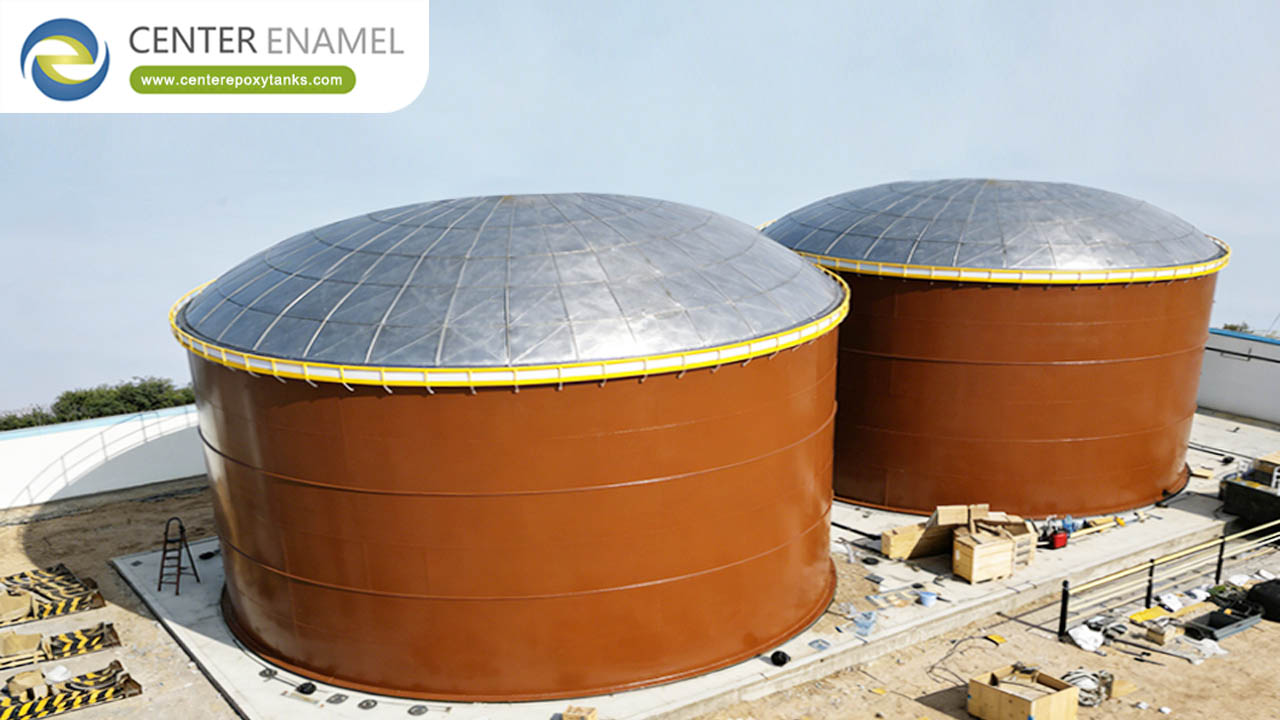
Constructing Large-Diameter Jet A-1 Fuel Storage Tanks in the Middle East
Building large-diameter fuel storage tanks for Jet A-1 in the Middle East is an exercise in extreme environmental management. Operators must reconcile the massive scale required for aviation hubs with the harsh reality of high ambient temperatures, sand abrasion, and saline coastal environments. Success relies on strict adherence to API 650 standards, precision field-erection techniques, and a material specification that prioritizes fuel purity above all else.
1. Engineering for the Middle East Environment
Construction in the Middle East requires specific adaptations to combat environmental degradation that can compromise fuel quality and structural integrity.
Thermal Management & Fuel Quality: High temperatures lead to fuel expansion and condensation cycles. Tanks must be equipped with specialized venting and desiccant breathers to prevent moisture ingress, which causes microbial growth in Jet A-1.
Sand & UV Protection: Exterior coatings must be UV-resistant and sand-abrasion-rated. Facilities in coastal zones (e.g., Jeddah, Dammam) require higher-grade anti-corrosive specifications (C5-M standards) to counter salt-spray.
Seismic & Soil Considerations: Desert sands often have low load-bearing capacity, requiring specialized foundation engineering. Large-diameter tanks must also meet site-specific seismic design calculations per API 650.
2. Technical Specifications: Jet A-1 Requirements
Jet A-1 is sensitive to metallic contamination. Storage design must strictly follow industry best practices to maintain fuel quality.
Material Compatibility: Copper, brass, and galvanized steel components are strictly prohibited in the product contact zone, as they catalyze fuel degradation. All internal piping and fittings must be stainless steel or specially lined carbon steel.
Internal Lining: A high-performance, conductive epoxy coating is essential. This not only protects the steel from internal corrosion but also prevents the leaching of contaminants into the fuel, ensuring compliance with aviation-grade purity standards.
Filtration & Separation: Tanks must integrate with API 1581-compliant filter/separators to remove water and particulates before fuel reaches the aircraft.
3. Construction Methodology: Field Erection
For large-diameter tanks, off-site shop fabrication is impractical. Field erection must be precise to ensure long-term stability.
Hydraulic/Mechanical Inversion: Depending on site space, inversion methods (like hydraulic lifting) are often preferred for larger tanks to minimize high-altitude work and improve weld quality control.
Welding Integrity: All welds must follow an approved Welding Procedure Specification (WPS). Radiographic (RT) and Ultrasonic (UT) testing is mandatory at 100% of critical seams to guarantee leak-free operation.
Hydrostatic Testing: Upon completion, the tank undergoes a full-water-fill test. This is the ultimate verification of structural capacity, checking for settlement, shell deformation, and seam integrity under load.
4. Comparison: Erection & Material Strategies
Feature | Standard Carbon Steel | API 650 Compliant (Jet A-1 Spec) |
Interior Finish | Raw Steel | Conductive Epoxy Lining |
Fitting Materials | Galvanized/Brass | Stainless Steel (316 Grade) |
Roof Design | Fixed Roof (Vapor Space) | Floating Roof (Emission Control) |
Corrosion Protection | Standard Paint | C5 High-Durability System |
Regulatory Benchmark | General Industrial | API 650 + JIG / EI Standards |
5. Frequently Asked Questions (FAQ)
6. Strategic Partnering for Infrastructure
Successful infrastructure projects in the Middle East require more than just steel—they require a deep understanding of local logistics and compliance. Our engineering team specializes in API 650 field-erected tanks, delivering aviation-grade storage solutions that thrive in the desert climate.


