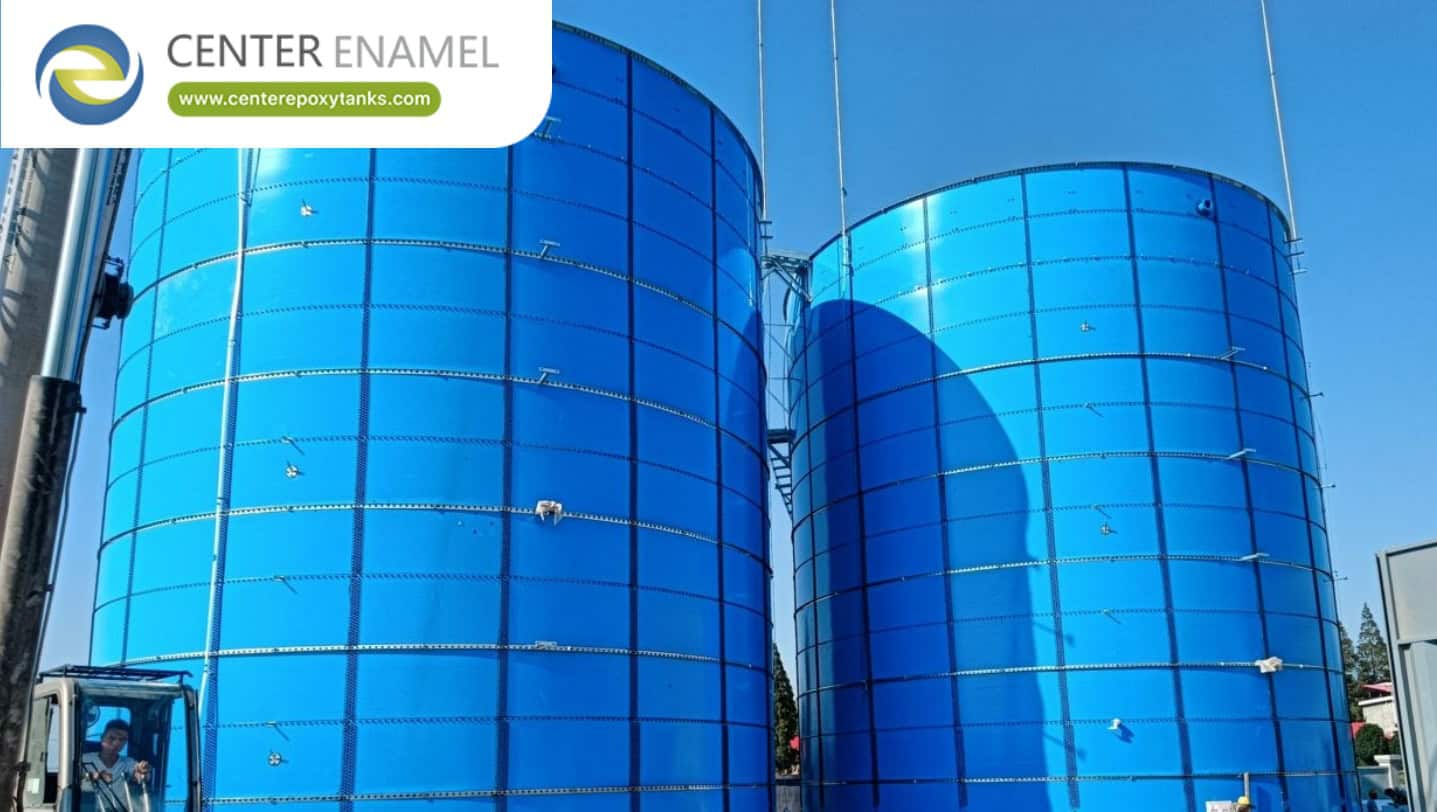
Comprehensive FBE Tank Maintenance Manual: AWWA D103 Standards
Fusion Bonded Epoxy (FBE) is a premier thermosetting polymer coating that provides exceptional chemical and abrasion resistance for bolted steel tanks. While FBE is renowned for its durability and holiday-free (pinhole-free) factory application, long-term performance in aggressive environments—such as wastewater, industrial effluent, or high-mineral potable water—demands rigorous preventative maintenance.
Adhering to the AWWA D103 standard for factory-coated bolted steel tanks, this manual outlines the required inspection intervals, integrity testing methods, and precise field-repair protocols necessary to maximize your tank’s 40+ year design life.
1. The Routine Maintenance Schedule
Consistent visual and physical inspections are the most cost-effective way to prevent catastrophic substrate corrosion. Facility managers should integrate the following matrix into their Computerized Maintenance Management System (CMMS).
Interval | Inspection Target | Required Action |
Weekly | Security & Exterior | Check for vandalism, unauthorized access, and visible exterior weeping/leaks around panel joints. |
Monthly | Vents & Overflow | Inspect roof vents, insect screens, and overflow weirs. Remove debris, bird nests, or frost buildup that could cause pressure/vacuum damage. |
Bi-Annually | Cathodic Protection | (If applicable) Take voltage readings of the sacrificial anodes or impressed current system to ensure active corrosion defense. |
Annually | Foundation & Bolts | Inspect concrete ring wall for spalling. Check exterior anchor bolts and shell hardware for rust. Re-torque bolts only if specifically recommended by the manufacturer. |
3 to 5 Years | Internal Inspection | Complete tank drain, washout, and comprehensive internal inspection of the FBE lining, sealant lines, and internal appurtenances. |
2. The 5-Year Internal Inspection Protocol
The 3-to-5-year internal inspection is the most critical phase of FBE tank ownership. Because the epoxy acts as an impermeable barrier, any microscopic breach (a "holiday") focuses corrosive energy on a tiny area of bare steel, leading to rapid pitting.
Step-by-Step Inspection Process
1. Drain and Clean: Empty the tank completely. Wash the interior with low-pressure water (under 1,500 PSI) and mild, non-abrasive detergents to remove biofilm, scale, and sludge.
2. Visual Assessment: Illuminate the interior and systematically inspect the coating, starting from the roof and working down to the floor. Pay special attention to the wind-girder reinforcement areas and the floor-to-shell seam.
3. Sealant Inspection: Check the mastic/sealant squeezed between the bolted panels. It should remain rubbery and fully intact. Hardened, brittle, or missing sealant indicates chemical attack or UV degradation.
4. Holiday Detection (Spark Testing): Using a low-voltage wet sponge tester or a high-voltage brush wand (depending on coating thickness and manufacturer spec), scan the entire wetted surface. The device will spark and sound an alarm if it detects a pinhole in the FBE coating. Mark all defects for immediate repair.
3. Standard Operating Procedure: FBE Field Repair
FBE is highly cross-linked, meaning standard liquid paints will not adhere well to its surface without proper preparation. If mechanical damage (e.g., from dropped tools or internal ice impact) or holidays are found, follow this strict protocol using a manufacturer-approved, two-part epoxy repair kit.
Repair Sequence
● Step 1: Surface Profiling
Use a wire wheel, emery cloth, or mechanical grinder to remove all loose coating and rust at the defect site. You must expose the bare, shiny carbon steel substrate. Feather the edges of the surrounding intact FBE to ensure a smooth transition.
● Step 2: Solvent Wipe
Thoroughly clean the abraded area with a rapidly evaporating, oil-free solvent (such as MEK or a manufacturer-supplied prep wipe) to remove all dust and grease. Allow it to flash off completely.
● Step 3: Resin Mixing
Mix the two-part liquid epoxy strictly according to the volumetric ratio provided in the repair kit. Mix only what you can use within the product's pot life (typically 20–30 minutes).
● Step 4: Application
Apply the epoxy with a stiff bristle brush, working it aggressively into the substrate to prevent air entrapment. Build the patch to a Dry Film Thickness (DFT) that matches or slightly exceeds the surrounding factory coating.
● Step 5: Cure and Re-Test
Allow the patch to cure fully (often 24 to 48 hours depending on ambient temperature). Once cured, re-test the patched area with the holiday detector to ensure total encapsulation.
Pro-Tip for Winter Repairs: Epoxy resins will not cure correctly at temperatures below 5°C (41°F). If conducting emergency winter repairs, localized external heating (using magnetic heat mats or indirect space heaters) must be applied to the steel shell to achieve the required curing temperature.
4. Frequently Asked Questions (FAQ)
Q: Can I pressure wash the inside of my FBE tank?
A: Yes, but pressure must be strictly regulated. Keep the wand at least 12 inches away from the surface and do not exceed 1,500 PSI. Using a zero-degree (pencil) nozzle or excessive pressure can slice through the panel sealants or blast off intact coating.
Q: Do I need to replace the bolt caps during an internal inspection?
A: High-impact plastic bolt caps protect the internal fastener heads from corrosion. If any caps are missing, cracked, or dislodged during the inspection, they must be filled with manufacturer-approved mastic and pressed back onto the bolt heads before the tank is refilled.
Q: Is it normal for the exterior FBE coating to lose its shine over time?
A: Yes. Like all epoxies, FBE is susceptible to UV degradation, known as "chalking." This is a purely aesthetic surface phenomenon and does not compromise the structural integrity of the barrier. Many tanks are top-coated with polyurethane at the factory specifically to prevent this UV chalking.
To ensure your maintenance team is fully equipped, would you like a standardized PDF checklist of the specific safety and lockout/tagout (LOTO) procedures required before entering a confined-space liquid storage tank?


