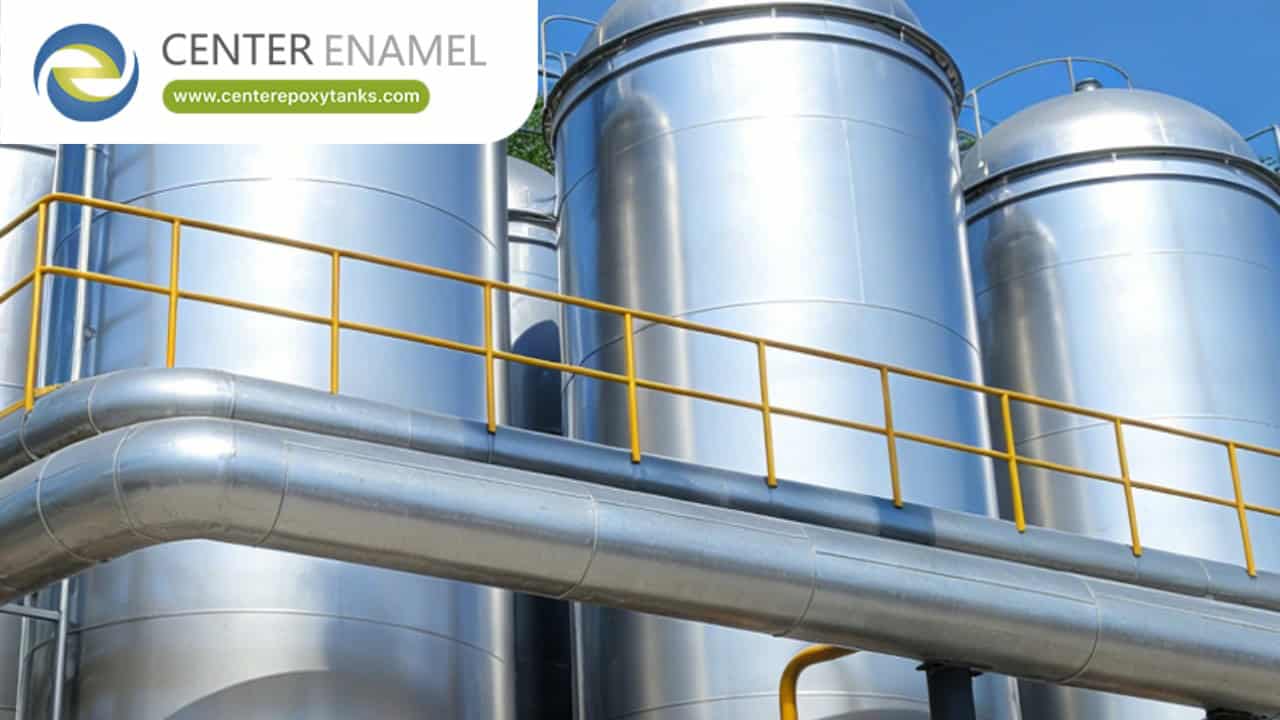
Clean Lubricating Oil Tanks: Contamination Control
Stainless steel oil tanks use 304 or 316L to protect edible and sensitive lubricating oils from contamination and corrosion. For clean lubricating oil tanks grade choice and passivation decide whether the tank lasts decades or pits within seasons.
What Is Clean Lubricating Oil Tanks?
A stainless steel oil tank is fabricated from austenitic stainless plate — typically 304 for general service and 316/316L where chlorides or mild acidity are present. 316L's low carbon avoids sensitization during welding, preserving corrosion resistance at the heat-affected zone.
How Does It Work?
Plates are cut, formed, and welded, then the internal surface is pickled and passivated to regrow the chromium-oxide film that makes stainless passive. For oil service the tank is kept clean and dry, often with nitrogen blanketing for edible oils to slow oxidation and protect flavor.
Key Types, Components, and Features
· 304 stainless:general edible and lube oil where chlorides are low.
· 316 / 316L stainless:chloride and mild-acid resistance for coastal or process use.
· Lined stainless (glass/epoxy):extra barrier for very clean lube oil.
· Clean lube oil tank:filtered, breather-protected, ISO 4406-minded design.
Applications
· Edible oils: olive, coconut, palm, vegetable
· Lubricating and hydraulic oil (clean service)
· Pharmaceutical and food-grade process oil
· Coastal or high-humidity installations
Technical Considerations
· Grades:304 universal; 316L for chlorides and welding without post-treat.
· Passivation:acid passivation after welding restores the passive film — mandatory for food contact.
· Chloride caveat:warm, chlorided service can pit 316L; control temperature and halide level.
· Blanketing:nitrogen or dry-air blanketing protects edible oil flavor and color.
· Standards:EN 1090 / ISO 9001 fabrication; food contact per local hygiene codes.
Key Engineering Parameters
Design Parameter | Typical Value / Range | Why It Matters |
Grade | 304 / 316L | Chloride-resistance choice |
Passivation | Pickling after weld | Restores passive film |
Chloride caveat | Warm chloride can pit 316L | Limit halide level |
Blanketing | N₂ / dry air | Oxidation control (edible) |
Standards | EN 1090 / ISO 9001 | Fabrication |
Cleanliness | Filtered, breather | Lube oil ISO 4406 |
Finish | Internal hygienic | Food grade |
Welding | Low-carbon 316L | Avoid sensitization |
Project Case Study
The following verified installation demonstrates the containment engineering discipline behind clean lubricating oil tanks. (Application shown is the tank's actual delivered service; the same bolted, coated, or stainless engineering underlies oil-storage designs discussed here.)
Project Information | Details |
Location | Czech Republic |
Year | 2026 |
Industry / Application | Wastewater treatment |
Product / Tank type | Stainless steel bolted (stainless roof) |
Configuration | φ 6.88 × 17.4 m |
Capacity | 647 m³ |
Standards | EN 1090 |
Status | Completed |
This reference is cited for its documented liquid-containment and corrosion-control engineering; it is not represented as an oil tank where it was a water or wastewater installation.
Advantages and Limitations
Advantages
· Excellent cleanliness for edible and lube oil
· Inherent corrosion resistance, little coating needed
· Long design life with correct grade and passivation
· Readily cleaned and inspected
Limitations
· Higher material cost than carbon or coated steel
· Chloride pitting risk if grade is wrong for the duty
· Iron contamination from carbon-steel tools must be avoided
Comparison
Feature | 304 Stainless | 316L Stainless | Carbon + Coating |
Chloride resist | Moderate | High | Coating-dependent |
Cost | High | Higher | Low-Medium |
Cleanliness | Excellent | Excellent | Good |
Edible oil | Yes | Yes | With liner |
Life | Long | Long | Coating-limited |
How to Select the Right Solution
· Choose 316L where chlorides or welding are present
· Specify pickling and passivation after fabrication
· Add nitrogen blanketing for edible oil
· Control halide level in warm service
· Verify food-contact certification if required
clean lubricating oil tanks perform best when the grade matches the duty and passivation is done. For edible and clean lube oil, stainless is the low-contamination choice.
Frequently Asked Questions (FAQ)
Which stainless grade for oil storage?
304 suits general edible and lube oil with low chlorides; 316L is chosen where chlorides or welding are present because its low carbon avoids sensitization.
Why passivate stainless after welding?
Pickling and passivation regrow the chromium-oxide film damaged by heat, restoring the passive, corrosion-resistant surface required for food contact.
Can stainless pit?
Yes. Warm, chlorided service can pit even 316L, so temperature and halide level must be controlled and grade chosen accordingly.
Is stainless good for edible oil?
It is excellent: clean, inert, and easily protected with nitrogen blanketing to slow oxidation and preserve flavor.
How does stainless compare on cost?
Material cost is higher than carbon or coated steel, but lifecycle cleanliness and life often justify it for food and pharma oils.
What standards apply?
Fabrication to EN 1090 / ISO 9001, with food-contact certification where required.
For clean lubricating oil tanks, share your product, capacity, vapor pressure, corrosivity, and site loads with an engineering team to receive a specification and quotation aligned to API 650, EN 14015, ISO 28765, or AWWA D103-09.


