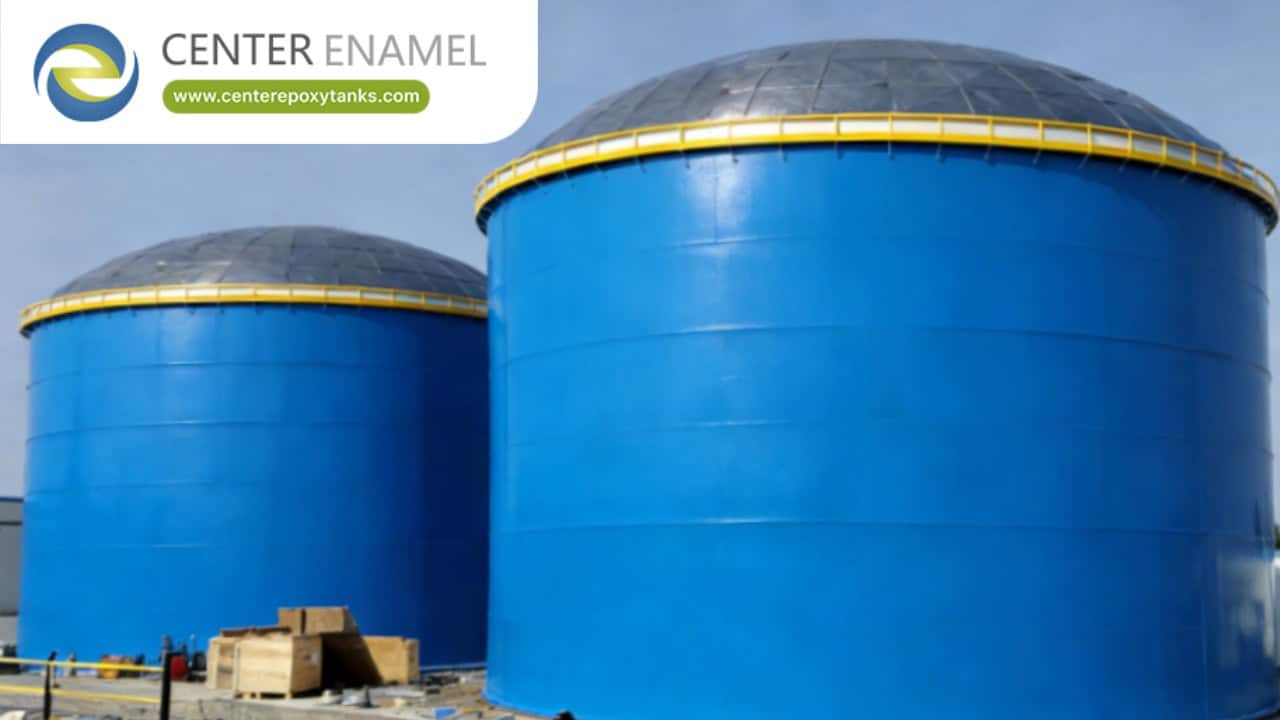
China Jet A-1 Fuel Storage Tank Manufacturer: Procurement & Engineering Guide
Storage of Jet A-1 (aviation turbine fuel) demands an uncompromising commitment to fuel purity, safety, and structural integrity. Unlike standard diesel or gasoline, aviation fuel is highly susceptible to particulate and water contamination, which can lead to catastrophic engine failure. When sourcing storage infrastructure from China, procurement must prioritize manufacturers with proven expertise in API 650 design, specialized internal coating/lining systems, and integrated filtration manifolds. This guide outlines the engineering imperatives for safe, compliant Jet A-1 storage.
1. Engineering Standards & Design
Aviation fuel storage is not a "one-size-fits-all" industrial application. The primary design goals are to prevent internal corrosion and ensure effective water separation.
● Design Standards: Ensure the manufacturer adheres to API 650 for bulk storage or UL 142 for shop-fabricated tanks.
● Material Selection:
○ Stainless Steel (304/316L): The gold standard for internal tank surfaces to prevent corrosion and oxidation.
○ Epoxy-Lined Carbon Steel: A cost-effective, high-performance alternative. The lining must be compatible with Jet A-1 (resistant to hydrocarbons) and tested to ensure no leaching or degradation.
● Structural Geometry: Tanks should be designed with a sloped floor (sump)—typically a 1:50 or greater slope—to direct water and particulate matter toward a low-point drain for daily sampling and purging.
2. Technical Imperatives: Filtration & Purity
The tank is only one component of an aviation fuel system. A professional manufacturer must provide a system that manages fuel quality throughout the storage lifecycle.
The Filtration Mandate
Jet A-1 fuel must be "Clear and Bright." The storage system must integrate:
● Coalescer-Separators: Essential for removing free water and fine particulates. These must comply with API 1581 performance criteria.
● Air Eliminators & Pressure Relief: To manage fuel expansion/contraction and vapor buildup.
● Deadman Controls: Integrated emergency shut-off systems are required for all dispensing outlets.
Internal Environment Control
● Floating Suction: Prevents the system from drawing fuel from the very bottom of the tank (where water/sediment settles), drawing instead from the cleanest layer of fuel just below the liquid surface.
● Desiccant Breathers: Fitted to tank vents to strip moisture from incoming air, preventing condensation—the primary cause of microbial growth and internal rust—inside the tank headspace.
3. Procurement Vetting Matrix: Auditing Chinese Manufacturers
Distinguishing between a general fuel tank workshop and a high-spec aviation infrastructure manufacturer is critical. Use this audit framework:
Audit Parameter | Aviation-Grade Specialist | Commodity Steel Shop |
Material Traceability | Full Mill Test Reports (MTRs) | Limited/No heat tracking |
Welding Procedures | ASME IX / ISO 3834 certified | Uncertified manual welding |
Testing | 100% NDT (RT/UT/Vacuum) | Visual inspection only |
Lining Application | Clean-room/controlled spray | Open-air/dusty environment |
Integration | Turnkey filtration/piping skids | Tank shell only |
4. Operational Safety Protocols
Procuring the tank is the first step; maintaining Jet A-1 quality is a daily operational requirement.
1. Grounding & Bonding: Jet A-1 has a higher conductivity than some fuels, but static accumulation is still a major risk during high-speed transfers. All tanks, piping, and dispensing equipment must be bonded and grounded to a common earth grid.
2. Sampling Program: Establish a protocol for "White Bucket" and "Clear and Bright" tests daily. The sump drain must be easily accessible, frost-protected, and plumbed for safe waste disposal.
3. Filtration Maintenance: Monitor differential pressure (DP) gauges on filter/separators. A sudden drop in flow rate often indicates the filter element is reaching capacity or "blinding" due to particulates.
Frequently Asked Questions (FAQ)
Q: Can I use galvanized steel pipes or fittings for Jet A-1?
A: No. Galvanized steel is strictly prohibited in aviation fuel systems. The zinc coating can flake off (spall) and react with the fuel to form gels that will clog aircraft fuel filters and damage engines. Only stainless steel, black steel (with proper internal linings), or aluminum are generally acceptable.
Q: Why is "Clear and Bright" so important?
A: Aviation turbine engines rely on extremely tight tolerances in fuel pumps and nozzles. Even minute traces of water or particulates can freeze at high altitudes, block fuel flow, or erode delicate components. "Clear and Bright" is a visual check that guarantees the fuel is free of suspended water or haze.
Q: Should I request a Third-Party Inspection (TPI) for tanks from China?
A: Yes. For aviation infrastructure, TPI (e.g., SGS, Bureau Veritas) is highly recommended. Require them to witness the hydrostatic pressure test, perform a holiday detection test on the internal lining, and verify the dimensions and weld quality before the tank is crated for shipment.


