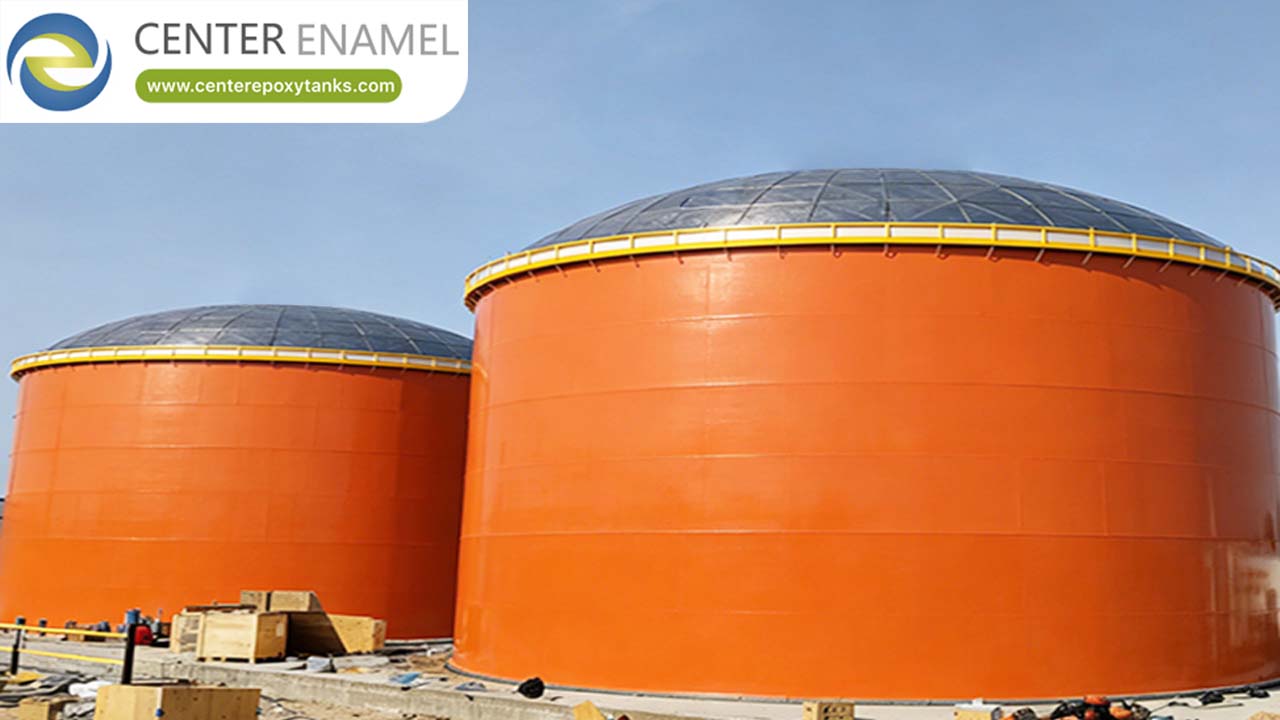
Aboveground Fuel Storage Tanks: Engineering & Sourcing Guide
Industrial, commercial, and municipal operations rely heavily on uninterrupted liquid fuel reserves to maintain emergency backup power, heavy fleet logistics, and operational continuity. Selecting and sourcing the correct containment infrastructure requires navigating a complex matrix of engineering specifications, material chemistries, and strict regulatory codes.
Unlike underground storage tanks, aboveground fuel storage tanks (ASTs) offer superior accessibility for leak detection, simplified visual maintenance, and lower remediation risks. However, specifying the right vessel demands a comprehensive understanding of design standards, volumetric demands, and safety compliances.
Core Regulatory Standards and Engineering Compliance
Procuring fuel storage infrastructure begins with strict adherence to nationally and internationally recognized codes. These standards govern everything from plate thickness and weld integrity to emergency venting and fire resistance:
UL 142 (Standard for Steel Aboveground Tanks for Flammable and Combustible Liquids): The baseline benchmark for shop-fabricated steel ASTs. It dictates construction, material selection, normal/emergency vent sizing, and mandatory 100% production-line leak testing for tanks typically up to 50,000 gallons.
API 650 (Welded Tanks for Oil Storage): Governs larger, field-erected vertical cylindrical tanks used in bulk fuel terminals, midstream storage farms, and refinery operations.
UL 2085 (Protected Aboveground Tanks): Applies to "protected" tanks that feature comprehensive thermal insulation and ballistic/impact-resistant barriers, ensuring structural integrity during a standardized 2-hour fire exposure test.
NFPA 30 (Flammable and Combustible Liquids Code): The primary installation code dictating minimum property-line separation distances, secondary containment capacities, spill prevention controls, and overfill protection systems.
Technical Performance Matrix: Comparing Major AST Categories
Technical Parameter | UL 142 Shop-Fabricated Horizontal Tanks | API 650 Field-Erected Vertical Tanks | UL 2085 Protected Tanks |
Primary Application | Fleet fueling, commercial backup generators, day-tanks | Bulk fuel terminals, refinery reserves, large-scale storage | Urban facilities, high-risk security zones, space-constrained sites |
Capacity Range | Typically 300 to 50,000 gallons | Tens of thousands to millions of gallons | 300 to 30,000+ gallons |
Construction & Safety Features | Single or double-wall steel; optional secondary containment interstitial monitoring | Welded carbon or stainless steel plates; open or closed-top roofs | Inner steel tank encased in lightweight insulating concrete and outer steel shell |
Installation Profile | Fast pre-engineered delivery; drop-in placement with minimal site assembly | Complex field erection requiring heavy rigging, welding, and on-site inspection | Heavy modular units requiring heavy-lift cranes and engineered foundations |
Key Sourcing Considerations for Engineers and Procurement Teams
When issuing requests for quotation (RFQs) for aboveground fuel tanks, engineering and sourcing professionals must evaluate several critical variables:
Fluid Compatibility & Specific Gravity: Standard carbon steel ASTs are rated for non-corrosive, stable flammable and combustible liquids with a specific gravity of 1.0 (e.g., diesel, gasoline). Storing high-density biofuels, aviation fuel, or chemicals requires specialized internal epoxy or stainless steel linings.
Secondary Containment Strategy: Compliance codes mandate secondary containment capable of holding at least 110% of the primary tank's volume. Sourcing options include double-wall tanks with integrated interstitial leak monitoring or single-wall tanks paired with external concrete dikes.
Overfill Protection and Venting: Ensure tanks are sourced with factory-integrated normal vents, emergency pressure-relief vents, electronic high-level alarms (90%), and mechanical drop-tube shut-off valves (95%) per NFPA 30 requirements.
Frequently Asked Questions (FAQ)
Q: What is the main difference between UL 142 and UL 2085 aboveground fuel tanks?
A: UL 142 covers standard shop-fabricated steel tanks focusing on structural strength, leak prevention, and baseline safety. UL 2085 tanks build upon UL 142 by adding specialized thermal insulation and fire-barrier encasements to protect the fuel from extreme external heat during a fire.
Q: When should an engineer specify an API 650 tank instead of a UL 142 tank?
A: API 650 is specified for large-scale, vertical, field-erected cylindrical tanks exceeding standard shop-fabricated capacities (typically above 50,000 gallons) used in bulk petroleum terminals and refineries. UL 142 is designated for smaller, factory-assembled shop tanks.
Q: What secondary containment options are available for aboveground fuel storage?
A: Buyers can choose between double-wall tanks (which feature a built-in secondary steel jacket with an interstitial monitoring space) or open-top dikes (concrete or earthen containment berms built around single-wall tanks to capture accidental spills).
Q: How do environmental codes impact the placement location of ASTs?
A: Standards like NFPA 30 and the International Fire Code (IFC) mandate precise minimum separation distances between aboveground fuel tanks and property lines, public ways, and nearest important buildings depending on tank capacity and fire protection ratings.


