China Galvanized Steel Overhead Water Tank Manufacturer: Engineering & Procurement Guide
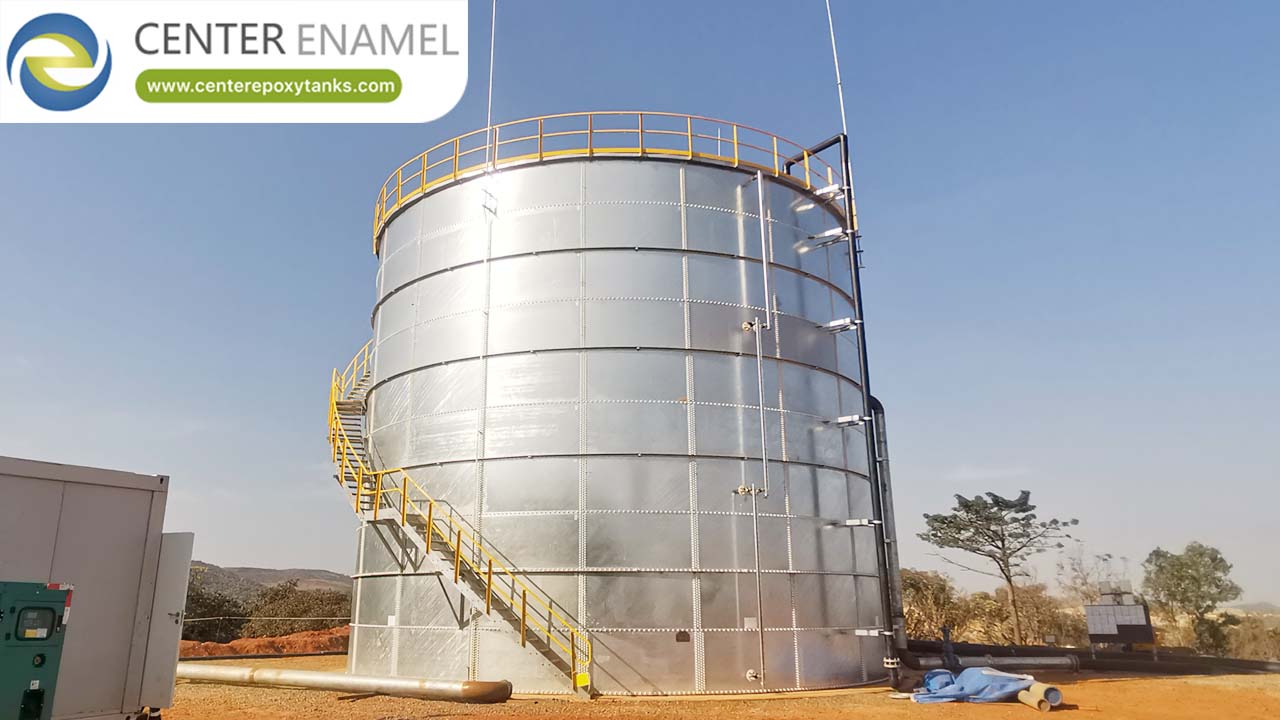
A leading China-based galvanized steel overhead water tank manufacturer provides industrial-grade storage solutions designed for elevated placement on steel tower structures. These tanks utilize high-tensile steel panels that undergo a hot-dip galvanizing process—forming a metallurgically bonded zinc layer that provides superior cathodic protection against rust. By combining modular bolt-together construction with high-strength steel support towers, these manufacturers deliver scalable, cost-effective water storage for municipal water supply, fire protection systems, and industrial irrigation, fully compliant with international standards such as AWWA D103 and ISO.
Engineering Superiority: Why Choose Galvanized Steel for Overhead Storage?
Overhead (elevated) water storage requires a delicate balance between structural load capacity, corrosion resistance, and seismic stability. Chinese manufacturers have optimized this balance through advanced material science and modular design:
Hot-Dip Galvanizing Advantage: Unlike field-applied coatings, hot-dip galvanizing coats every surface, edge, and hole of the steel panel inside and out. This creates a sacrificial anode layer that effectively stops corrosion, even in high-humidity or coastal environments.
Modular "Knock-Down" Logistics: Shipping massive water tanks globally is cost-prohibitive unless they are modular. Galvanized tanks are flat-packed and shipped as a "kit," which drastically reduces freight volume and carbon footprint, then assembled rapidly on-site using standard lifting equipment.
Seismic & Structural Load Handling: Overhead storage puts significant stress on the tower and tank floor. Leading manufacturers utilize Finite Element Analysis (FEA) to design tanks that account for specific regional wind loads, snow loads, and seismic activities, ensuring the overhead structure remains stable under full-capacity hydrostatic load.
Comparative Overview: Overhead Storage Technologies
Feature | Galvanized Steel Tank | Cast-in-Place Concrete | Welded Carbon Steel |
Construction Speed | Fast (Modular/Bolted) | Very Slow (Months) | Moderate (Field-welded) |
Maintenance | Low (Minimal checking) | High (Crack/Seepage repairs) | Moderate (Frequent recoating) |
Corrosion Resistance | High (Zinc barrier) | Low (Rebar rust risk) | Low (Needs specialized coatings) |
Site Impact | Minimal | High (Heavy machinery) | Moderate |
Relocatability | Possible | None | None |
Key Technical Benchmarks for Infrastructure Selection
Procurement managers must ensure that the manufacturer adheres to specific quality benchmarks to avoid structural failures and water contamination:
Zinc Coating Weight: Ensure the specification requires a minimum of 350 g/m² to 600 g/m² of zinc coating. This thickness is the primary determinant of the tank’s service life in the field.
Structural Gaskets & Sealants: The water-tight integrity of a bolted tank depends on the gasket material. Specify high-performance, NSF/ANSI-61 certified food-grade sealants to ensure no chemicals leach into the water supply.
Tower Engineering: The supporting tower must be as engineered as the tank itself. Demand detailed structural shop drawings that verify the tower's ability to handle the "sloshing" forces of water during seismic events.
Full-System Integration: Look for a manufacturer that provides the complete system: the tank, the support tower, internal/external ladders, manways, overflow pipes, and cathodic protection systems (if required).
Frequently Asked Questions (FAQ)
Q: Can galvanized steel tanks be used for potable water?
A: Yes. When specified with NSF/ANSI-61 certified sealants and coatings, galvanized steel tanks provide a safe and cost-effective storage solution for municipal drinking water applications.
Q: How does the galvanized coating hold up over time?
A: In normal environmental conditions, hot-dip galvanized steel can provide 20–30+ years of service life without significant degradation. The zinc coating naturally develops a "patina" (a protective layer) that slows further oxidation significantly.
Q: How do you prevent icing in overhead tanks during winter?
A: For cold climates, we recommend external insulation packages or, in extreme cases, active circulation heating systems that integrate into the tank’s inflow/outflow plumbing.
Partnering for Reliable Water Infrastructure
An overhead water tank is a vital piece of municipal and industrial infrastructure. Partnering with a manufacturer that combines precise engineering, automated galvanization technology, and global export expertise ensures that your project remains on budget and structurally secure for decades.
Are you currently evaluating specifications for an upcoming water tower or elevated storage project?
[Contact our engineering team] to request a structural load-bearing assessment, review our galvanization certification reports, or receive a project proposal tailored to your required capacity and site-specific wind/seismic requirements.
As you advance your project planning, do you need a detailed brief on the seismic stability requirements for overhead tanks in high-risk zones versus standard terrain?


