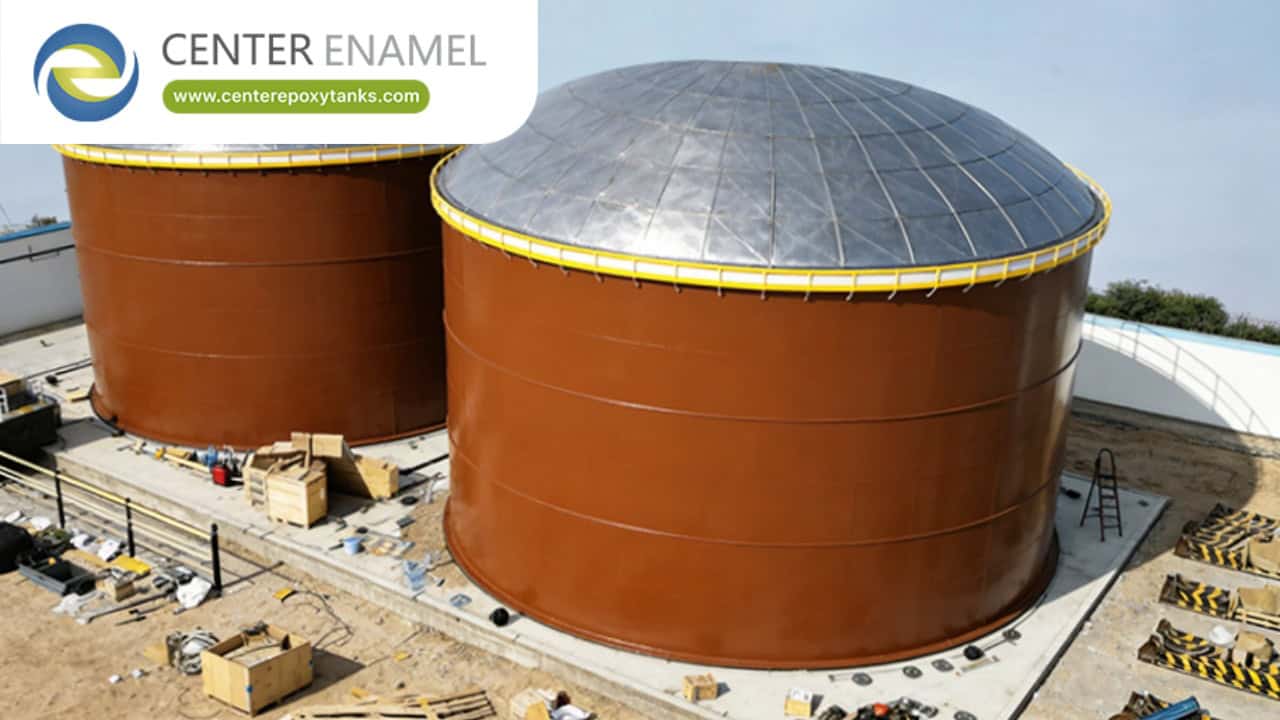
Epoxy-Coated Steel Tanks: Efficient Petroleum Storage Solutions
For petroleum storage, the primary engineering challenge is the internal degradation of steel caused by moisture, microbes, and refined fuel additives. Epoxy-coated steel tanks represent an efficient storage solution by combining the structural strength of carbon steel with a chemically inert, high-adhesion internal barrier. This configuration prevents corrosion-induced product contamination and extends the asset's service life, significantly reducing the Total Cost of Ownership (TCO) compared to bare steel or concrete alternatives.
1. Engineering Requirements for Petroleum Lining
Petroleum products, particularly those with ethanol blends or water bottoms, require specific internal protection. Applying a generic coating is insufficient; the system must meet stringent industrial standards.
Standards & Compliance
● API 652: The industry-standard practice for the lining of aboveground petroleum storage tank bottoms. It dictates the specific surface preparation and application requirements to ensure long-term integrity.
● ISO 16961: Defines the minimum requirements for surface preparation, materials, and inspection for internal coating systems in the petroleum and petrochemical industries.
● Chemical Compatibility: The selected epoxy must be tested against ASTM C868-02 standards to ensure it does not degrade, swell, or delaminate when immersed in refined fuels, biofuels, or associated saline water.
2. Comparative Analysis: Storage Infrastructure
For procurement officers and engineers, selecting the right material involves balancing capital expenditure (CapEx) against long-term maintenance costs.
Feature | Epoxy-Coated Steel | Stainless Steel | Bare Carbon Steel |
Corrosion Resistance | Excellent (with lining) | Inherent | Poor (requires mitigation) |
Chemical Inertness | High | Very High | Low |
Initial Cost | Moderate | High | Low (but high LCC) |
Maintenance | Minimal (Periodic inspection) | Low | High (Cathodic protection) |
Fuel Purity | Excellent (prevents rust) | Excellent | Risk of iron oxide fines |
3. Critical Technical Parameters
When specifying an epoxy-coated tank for petroleum, ensure the following parameters are explicitly included in the technical data sheet or RFP:
1. Surface Preparation (Sa 2.5): The steel substrate must be abrasive blast-cleaned to ISO 8501-1 Sa 2.5 (near-white metal) to ensure optimal adhesion.
2. Holiday Testing (ASTM G62): 100% of the internal lining must undergo high-voltage holiday detection. A single pinhole in an epoxy coating will concentrate corrosion at that point, leading to premature tank failure.
3. Film Build: The Dry Film Thickness (DFT) is typically specified between 250-500m (10–20 mils), depending on the service environment and manufacturer recommendation.
4. VOC Compliance: Modern industrial coatings must adhere to environmental regulations, typically requiring VOC levels 340g/L for fuel service.
4. Frequently Asked Questions (FAQ)
Q: Why is epoxy-coated steel better than bare steel for fuel storage?
A: Bare carbon steel is susceptible to internal oxidation, which creates iron oxide particles (rust). These particulates can clog downstream filtration systems, damage sensitive fuel injection equipment, and accelerate fuel degradation. Epoxy lining provides a smooth, inert barrier that eliminates this risk.
Q: Can epoxy-coated tanks handle ethanol-blended fuels?
A: Yes, provided the epoxy system is formulated for hydrocarbon immersion. Manufacturers should provide certification of compatibility with E10, E85, or biodiesel blends. High-build, cross-linked epoxy phenolic coatings are typically required for these services.
Q: How do I verify the quality of the internal coating?
A: Quality should be verified through three steps: 1) Certified inspector review of surface profile post-blasting; 2) Wet/Dry film thickness (WFT/DFT) measurement; and 3) Post-curing high-voltage holiday testing to ensure zero pinholes.
Are you currently selecting a tank specification for a new fuel terminal project, or are you investigating repair strategies for existing infrastructure with internal corrosion issues?


