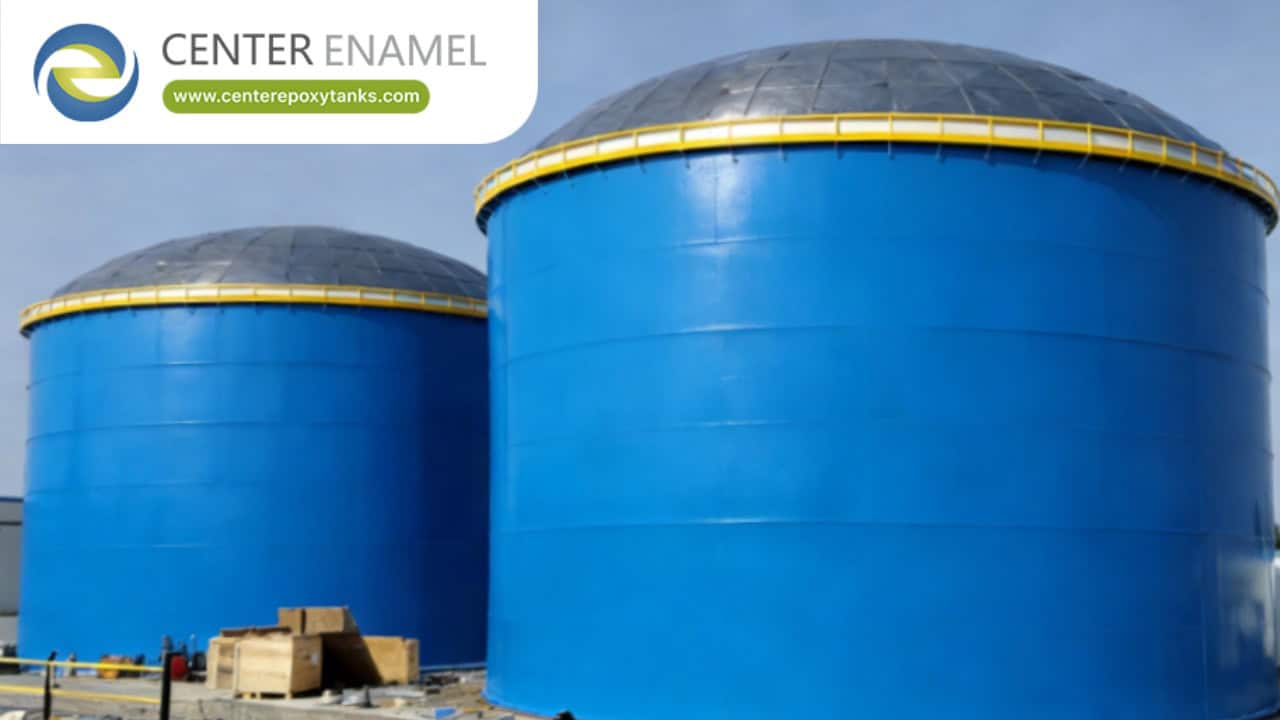
Carbon Steel Lubricating Oil Storage Tanks: Engineering & Procurement Guide
In industrial operations, power generation plants, heavy manufacturing facilities, and large-scale machinery networks, the reliability of mechanical assets depends heavily on clean, well-managed lubrication systems. Lubricant oils—ranging from hydraulic fluids and turbine oils to gear lubricants and heavy engine oils—require specialized containment to prevent particulate contamination, moisture absorption, oxidation, and structural leakage.
Among all available options, carbon steel lubricating oil storage tanks remain the gold standard for commercial and industrial fluid management. Offering an optimal balance of high mechanical tensile strength, fabrication versatility, and cost-effectiveness, carbon steel vessels provide robust containment for high-volume petroleum-based fluids.
Engineering Fundamentals and Design Parameters
Designing storage tanks for industrial lubricants requires strict attention to fluid characteristics, operational pressures, and environmental safeguards:
Fluid Compatibility and Viscosity Management: Lubricants are dense, viscous liquids that exert substantial hydrostatic pressure. Tank shells must be engineered to handle high specific gravities. Furthermore, because lubricant purity is vital, carbon steel tanks require specialized internal surface preparations to eliminate mill scale and prevent particulate shedding.
Moisture and Contamination Control: Water condensation is the primary enemy of lubricant oil, promoting additive depletion, microbial growth, and oil breakdown. Properly engineered carbon steel lube tanks incorporate desiccant breather vents, sloped floor sumps, and dedicated water draw-off valves.
Structural Integrity and Compliance: Depending on the scale and application, lubricant tanks are manufactured in accordance with leading engineering codes such as API 650 for large vertical bulk storage tanks or UL 142 for shop-built rectangular or cylindrical day/storage tanks.
Technical Performance Matrix: Lube Oil Tank Materials
Technical Parameter | Carbon Steel Lubricating Oil Storage Tanks | Stainless Steel Lube Tanks | Fiberglass-Reinforced Plastic (FRP) Tanks |
Mechanical Strength & Load Capacity | Excellent; high tensile strength resists external impacts and heavy hydrostatic pressures | Excellent; exceptional structural performance under rigorous industrial conditions | Moderate; vulnerable to physical impact, cracking, or thermal degradation under stress |
Material Cost & Economic Value | Highly economical; provides the best balance of structural durability and capital cost | High initial material and fabrication cost; reserved for highly specialized corrosive environments | Moderate cost, but limited by chemical compatibility limits and temperature thresholds |
Internal Cleanliness & Linings | Highly customizable with high-performance epoxy linings to prevent oil-metal contact | Natural passive corrosion layer; excellent purity without specialized internal coatings | Smooth internal finish, but prone to static charge buildup and resin degradation |
Fabrication & Customization | Highly versatile; easily configured with custom nozzles, internal baffles, heating coils, and sumps | Readily fabricated, though specialized welding and pickling/passivation are required | Mold-dependent; difficult to modify or add structural attachments on-site |
Key Best Practices in Carbon Steel Lube Tank Procurement
Procuring carbon steel lubricating oil storage tanks requires careful planning to ensure long-term fluid cleanliness and structural durability:
1. High-Performance Internal Coatings and Surface Preparation
Uncoated carbon steel can react with moisture traces in the environment, leading to rust flaking that contaminates expensive lubricant oils. Tanks must be abrasive blast-cleaned to ISO 8501-1 Sa 2.5 standards and coated with specialized, oil-resistant phenolic epoxy or food-grade epoxy linings that seal the metal substrate entirely.
2. Integration of Baffles and Internal Sumps
To prevent fluid sloshing during high-flow operations and to capture settled particulate and condensed water, internal baffle plates and sloped floor sumps should be engineered directly into the tank geometry. This ensures that only clean oil is drawn from the supply outlets.
3. Comprehensive Venting and Access Accessories
Proper hardware configuration is vital. Procure tanks equipped with emergency pressure-vacuum relief vents, lockable fill ports, magnetic or ultrasonic level gauges, and oversized manway inspection hatches to facilitate routine internal cleaning and maintenance.
Frequently Asked Questions (FAQ)
Q: Why is carbon steel commonly chosen for lubricating oil storage tanks?
A: Carbon steel offers an ideal combination of high mechanical tensile strength, excellent resistance to petroleum-based fluids, ease of fabrication into custom shapes and sizes, and superior cost-effectiveness compared to exotic alloys.
Q: How do you prevent internal rust and oil contamination in carbon steel tanks?
A: Internal contamination is prevented by applying high-performance, oil-resistant epoxy or phenolic linings over thoroughly abrasive-cleaned steel surfaces, coupled with desiccant breathers to block atmospheric moisture entry.
Q: What design standards govern industrial lubricating oil storage tanks?
A: Depending on size and configuration, carbon steel lube tanks are typically engineered in compliance with API 650 for field-erected vertical tanks or UL 142 and NFPA 30 for shop-built horizontal or vertical storage vessels.
Q: Can carbon steel lubricant tanks be customized with internal heating systems?
A: Yes. For high-viscosity heavy lubricants or cold-weather environments, carbon steel tanks can be outfitted with internal steam coils, electric immersion heaters, or external insulation jackets to maintain optimal fluid flow properties.


