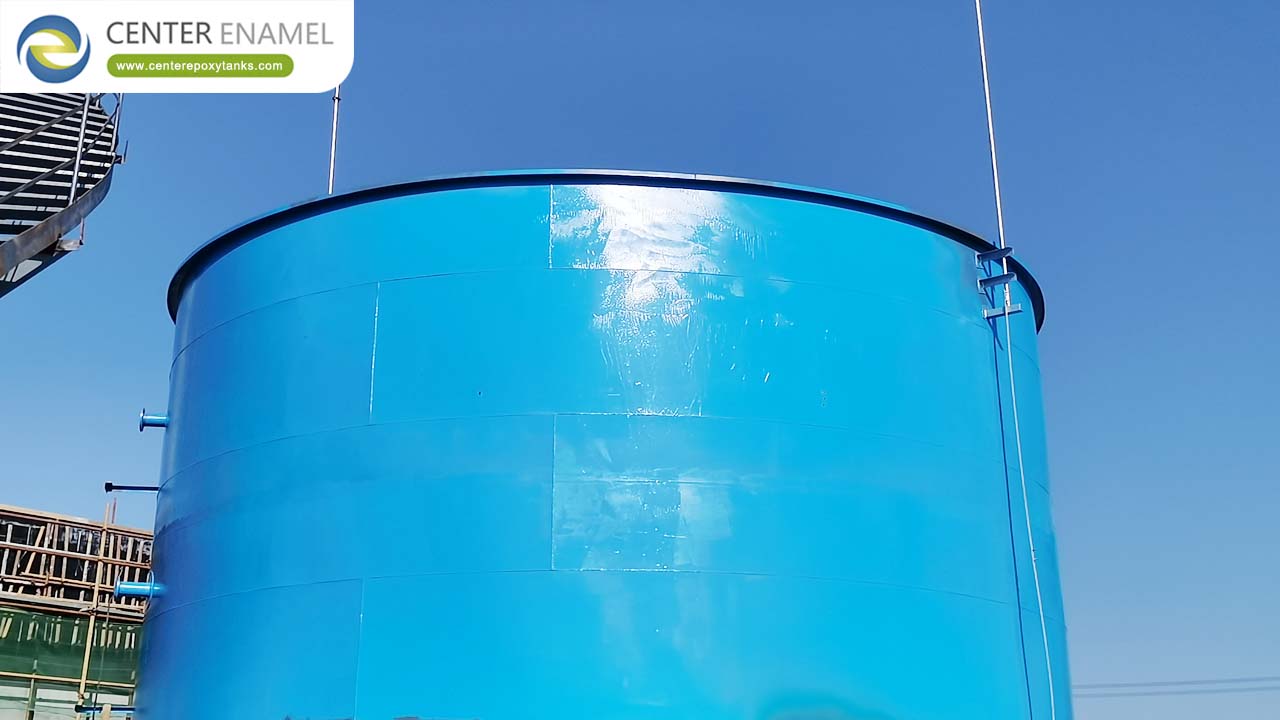
Carbon Steel Lubricant Storage Tanks: Industrial Lube Oil Solutions
Industrial lubricant storage is not fuel storage. The oil is a precision product — its cleanliness is its performance — and the tank’s job is to deliver it at the condition it was bought in. Contamination, temperature and stagnation are the enemies, and the tank configuration, heating and circulation are the answers.
This article covers carbon steel lubricant storage tanks: the contamination control, the tank configuration, the heating and circulation arrangements and the sampling regime that keeps the oil within specification.
Lube Oil Storage Duty
The lube oil duty is storage with quality retention. The oil arrives clean and specified; the tank holds it; the dispensing system delivers it to the equipment — and the tank’s job is to not degrade it in between.
The duty profile covers the turnover, the temperature and the delivery condition: a high-turnover tank with circulation sees a different regime from a low-turnover tank that holds inventory for months.
Cleanliness And Contamination Control
The contamination sources are predictable: the delivery, the air breathing, the fittings and the tank interior. Each has a control — the receipt filtration, the breathing control, the clean fittings and the clean interior — and the regime covers all of them.
The cleanliness regime is a specification item: the tank interior finish, the fitting cleanliness and the receipt filtration are all specified, because the oil cannot be cleaned downstream of a dirty tank.
Contamination Source | Control Measure | Verification |
Delivery receipt | Filtration at the receipt line | Filter rating and element change record |
Air breathing | Breather with filtration on the vent | Breather element inspection schedule |
Fittings and interior | Clean fabrication and sealed storage | Interior inspection before service |
Dispensing system | Filtration at the point of delivery | Delivery filter rating and sampling |
Tank Configuration
The tank configuration follows the oil range and the delivery condition. A single tank suits one oil; multiple tanks or a tank battery suits a range — and the configuration decision follows the number of oils, the volumes and the dispensing arrangement.
The configuration also covers the internal arrangement: the sloped bottom to the draw-off, the suction position, the return line entry and the sampling point, all detailed so the oil moves without stagnation.
Heating And Circulation
Heating keeps the oil at its delivery viscosity. The heating arrangement delivers the energy the viscosity requires, the insulation retains it, and the control holds the temperature the dispensing needs.
Circulation keeps the tank uniform: the circulated oil prevents the stratification and the cold spots that make the oil undrawable, and the circulation rate is specified against the tank geometry.
Filtration Arrangement
The filtration arrangement covers the receipt, the circulation and the delivery. The receipt filter protects the stored inventory; the circulation filter maintains it; the delivery filter protects the equipment — each at the rating its duty requires.
The filter specification follows the equipment requirement: the clearance of the served machinery sets the delivery rating, and the receipt and circulation ratings follow from it.
Sampling And Quality Monitoring
The sampling regime confirms the oil stays within specification. The sampling point is positioned to represent the stored volume, and the sampling schedule follows the turnover and the criticality of the served equipment.
The monitoring results drive the action: the filtration change, the oil replacement or the tank cleaning — each decided against the analysis rather than a fixed interval.
Material And Coating Selection
The material and coating selection follows the oil and the temperature. Carbon steel suits the standard lube oils with the internal coating selected against the oil chemistry and the additives; the specification states the coating and its testing.
The selection also covers the cleanliness requirement: the internal finish is specified so the surface does not shed or trap contamination, and the coating is applied under controlled conditions.
Accessories And Instrumentation
The accessory schedule covers the inlet, the outlet, the return, the sample, the vent, the level instrumentation and the access. Each is detailed with the cleanliness requirement in mind — no dead legs, no traps, no unheated pockets.
The instrumentation covers the level, the temperature and the filter differential, which together tell the operator whether the system is delivering the oil at its condition.
Maintenance
The maintenance regime covers the filtration elements, the breather, the heating system and the tank interior. Each is scheduled from the operating record and the sampling results rather than a fixed calendar.
The tank interior inspection follows the sampling: when the analysis shows the oil degrading, the interior is inspected and cleaned, and the regime that allowed the degradation is corrected.
Expansion
The expansion covers the additional oils and the additional volume. The modular configuration adds tanks to the battery, with the shared systems — the circulation, the filtration and the control — integrating the new tanks.
The expansion planning starts at design: the connections, the space and the control capacity are reserved, so the addition is a connection exercise rather than a redesign.
Expansion Element | Provision | Design Note |
Additional tanks | Modular tanks added to the battery | Space and connections reserved at design |
Shared circulation | Capacity for the added volume | Pump and piping sized for the expansion case |
Filtration capacity | Rating for the additional flow | Housing and element capacity reserved |
Control integration | New tanks into the control system | Control capacity and points reserved |
Center Enamel Lube Oil Tank Engineering
Center Enamel engineers carbon steel lubricant storage tanks with the cleanliness control, heating and circulation arrangements and configuration engineering that industrial lube oil service requires. The engineering covers the tank, the fittings and the instrumentation scope.
Our engineering team supports tank configuration, cleanliness specification and the heating and circulation design for lube oil installations. Contact our engineering team for configuration engineering and quotation on your next project.
About Company
Shijiazhuang Zhengzhong Technology Co.,Ltd(Center Enamel) is a professional manufacturer dedicated to the design and fabrication of bolted storage tanks since 2008. Our products range includes Glass-Fused-to-Steel (GFS) tanks, fusion bonded epoxy tanks, stainless steel tanks, galvanized steel tanks and aluminum geodesic dome roofs. With professional enameling R&D team and nearly 200 enameling patents, Shijiazhuang Zhengzhong Technology Co.,Ltd has become the leader in bolted tanks industry of Asia. Our products are certified to ISO9001, NSF61, EN1090, ISO28765, WRAS ,FM, LFGB, BSCI, IS0 45001 and other international standards.
Shijiazhuang Zhengzhong Technology Co., Ltd is not only the first manufacturer in China which produces Glass-Fused-to-Steel tanks, but also the most experienced professional bolted tanks manufacturer in Asia.The engineering & design, product testing and quality system of Center Enamel Glass-Fused-to-Steel tanks is in strict accordance with AWWA D103-09, OSHA, ISO 28765, NSF/ANSI 61, NFPA and other international standards. Until 2023, Center Enamel bolted tanks have been exported to more than 100 countries including USA, Australia,Canada, Malaysia, Indonesia, Russia, UAE, Panama,Brazil and South Africa etc., the superior tank quality and prompt service gains us worldwide recognition.
As an outstanding containment and cover system provider with decades of industry experience, Shijiazhuang Zhengzhong Technology Co., Ltd sincerely expects to establish long-term cooperation with the local partners throughout the world and make continuous contribution to the development of the industry.
Suggested CTA
Center Enamel delivers carbon steel welded engineered for lubricant storage duty, with lube oil tank configuration engineering. Contact our engineering team for selection and procurement guidance on your next lubricant storage tanks project — including sizing, standards compliance and delivery scheduling.
Frequently Asked Questions
Q: What makes lube oil storage different from fuel storage?
A: The oil is a precision product and its cleanliness is its performance. The tank’s job is to deliver the oil at the condition it was bought in, so contamination, temperature and stagnation are the design enemies.
Q: How is contamination controlled in a lube oil tank?
A: Through receipt filtration, filtered breathing on the vent, clean fittings and interior, and delivery filtration. The regime is a specification item because the oil cannot be cleaned downstream of a dirty tank.
Q: Why does the tank need heating and circulation?
A: Heating keeps the oil at its delivery viscosity and circulation prevents stratification and cold spots that make the oil undrawable. The circulation rate is specified against the tank geometry.
Q: What filtration does the system need?
A: Receipt filtration to protect the stored inventory, circulation filtration to maintain it and delivery filtration to protect the served equipment. The machinery clearance sets the delivery rating and the others follow.
Q: How is oil quality monitored?
A: Through sampling at a point positioned to represent the stored volume, on a schedule set by the turnover and the criticality of the served equipment. The results drive the filtration, replacement or cleaning decisions.
Q: Why choose Center Enamel for lube oil tanks?
A: Center Enamel engineers carbon steel lube oil tanks with cleanliness control, heating and circulation engineering. Contact our engineering team for configuration engineering and quotation.