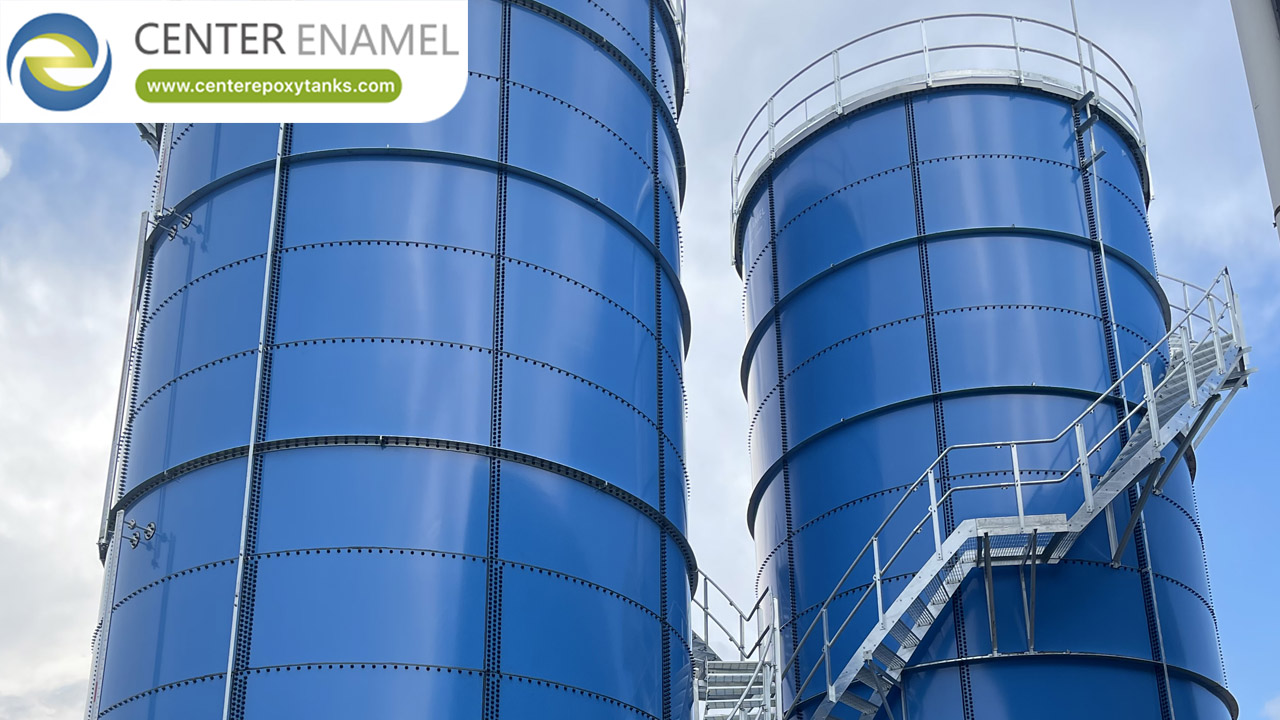
Bolted Steel Water Tanks for Emergency Water Supply: Infrastructure Resilience in Disaster Management
In an era defined by intensifying climate anomalies, seismic risks, and aging municipal water grids, community vulnerability to sudden utility disruptions is at an all-time high. Whether triggered by hurricanes, earthquakes, prolonged droughts, or industrial grid failures, a reliable, uninterrupted emergency water supply is the single most critical asset for safeguarding human life, maintaining hospital operations, and securing critical firefighting infrastructure.
When traditional public water mains fail, emergency response teams and municipal planners require robust, independent containment reserves that can be deployed rapidly and remain completely reliable during long-term standby duty. Modern infrastructure development increasingly relies on bolted steel water tanks for emergency water storage, combining heavy-duty structural engineering with the agility of modular prefabrication.
The Critical Role of Modular Emergency Water Reservoirs
Emergency water storage systems differ fundamentally from standard daily utility tanks. They must remain dormant for extended periods—often years—while maintaining pristine water quality and full structural readiness to discharge thousands of gallons instantly upon demand.
Modular bolted steel technology addresses these rigorous demands through several core engineering advantages:
Rapid Deployment and Scalability: Prefabricated in controlled factory settings, bolted steel panels ship flat-pack to remote or constrained disaster-recovery sites, enabling rapid erection by compact local crews without heavy welding equipment.
Dual Compliance (Potable & Fire Suppression): Emergency reservoirs frequently serve a dual purpose: supporting high-pressure fire suppression systems (NFPA 22 compliance) while maintaining safe, certified drinking water reserves (NSF/ANSI 61 compliance) for affected civilian populations.
Seismic and Environmental Resilience: Engineered in strict accordance with AWWA D103-09 standards, bolted steel structures absorb dynamic ground accelerations and extreme wind loads far better than brittle concrete basins, minimizing rupture risks during natural disasters.
Technical Performance Matrix: Emergency Storage Solutions
Technical Parameter | Bolted Steel Emergency Water Tanks | Cast-in-Place Concrete Basins | Field-Welded Steel Tanks |
Deployment & Erection Velocity | Rapid modular assembly completed in weeks using lightweight panels | Extremely slow civil construction requiring weeks of formwork and concrete curing | Slow field-erection dependent on weather and intensive weld inspections |
Seismic & Ground Shift Tolerance | High structural flexibility; engineered to withstand severe seismic activity | Prone to micro-cracking, joint shear, and structural settling cracks during earthquakes | Rigid welded seams can experience high stress concentrations during ground shifts |
Standby Maintenance & Longevity | Protected by factory coatings or inner membranes; minimal upkeep over decades | Requires periodic crack remediation, sealing, and waterproofing recoats | Requires active cathodic protection and periodic exterior/interior repainting |
Site Accessibility & Expansion | Panels transport easily to remote sites; easily expanded or relocated later | Permanent monolithic structure; impossible to modify, expand, or relocate | Permanent fixed asset requiring complex cutting and re-welding to alter |
Engineering Safeguards for Long-Term Standby Readiness
To ensure that emergency water reserves remain uncontaminated and ready for immediate deployment, advanced engineering practices are integrated into every bolted steel reservoir:
Hygienic Membrane Liners: Food-grade, NSF-certified flexible interior liners (such as EPDM or specialized polymer membranes) isolate the stored water entirely from the steel wall, preventing metallic leaching and ensuring absolute potable safety.
Hermetic Roof Systems: Pairing emergency tanks with airtight aluminum geodesic dome roofs blocks 100% of ultraviolet (UV) radiation, stopping algae growth and preventing airborne debris, insects, or biological contaminants from entering the water supply.
Rigorous Quality Assurance: Factory-manufactured steel panels undergo high-voltage holiday testing and strict dimensional quality audits prior to dispatch, guaranteeing zero structural or coating defects upon arrival at the disaster relief site.
Frequently Asked Questions (FAQ)
Q: Why are bolted steel tanks preferred for emergency water storage over concrete or welded alternatives?
A: Bolted steel tanks offer an optimal balance of rapid deployment, seismic flexibility, and long-term durability. Unlike concrete basins that are prone to cracking during earthquakes or welded tanks that require lengthy on-site fabrication, bolted panels ship efficiently to any location and assemble quickly to establish immediate disaster relief reserves.
Q: Do emergency bolted steel water tanks comply with potable drinking water standards?
A: Yes. When configured for emergency potable supply, these tanks utilize NSF/ANSI 61-certified internal liners and are built in strict compliance with AWWA D103-09 guidelines, ensuring the stored water remains clean, safe, and free from chemical contaminants.
Q: Can these emergency tanks be used simultaneously for fire suppression and drinking water?
A: Yes. Many municipal and industrial emergency installations utilize dual-action configurations designed to meet both NFPA 22 (for private fire protection water reserves) and potable hygiene standards, providing a multi-functional lifeline during critical infrastructure failures.
Q: How do bolted steel tanks withstand severe seismic activity and ground movement?
A: Built to international seismic codes and AWWA D103 specifications, bolted steel tanks utilize high-tensile structural steel plates and flexible bolted connections that absorb dynamic energy and ground shifts without catastrophic structural failure.


