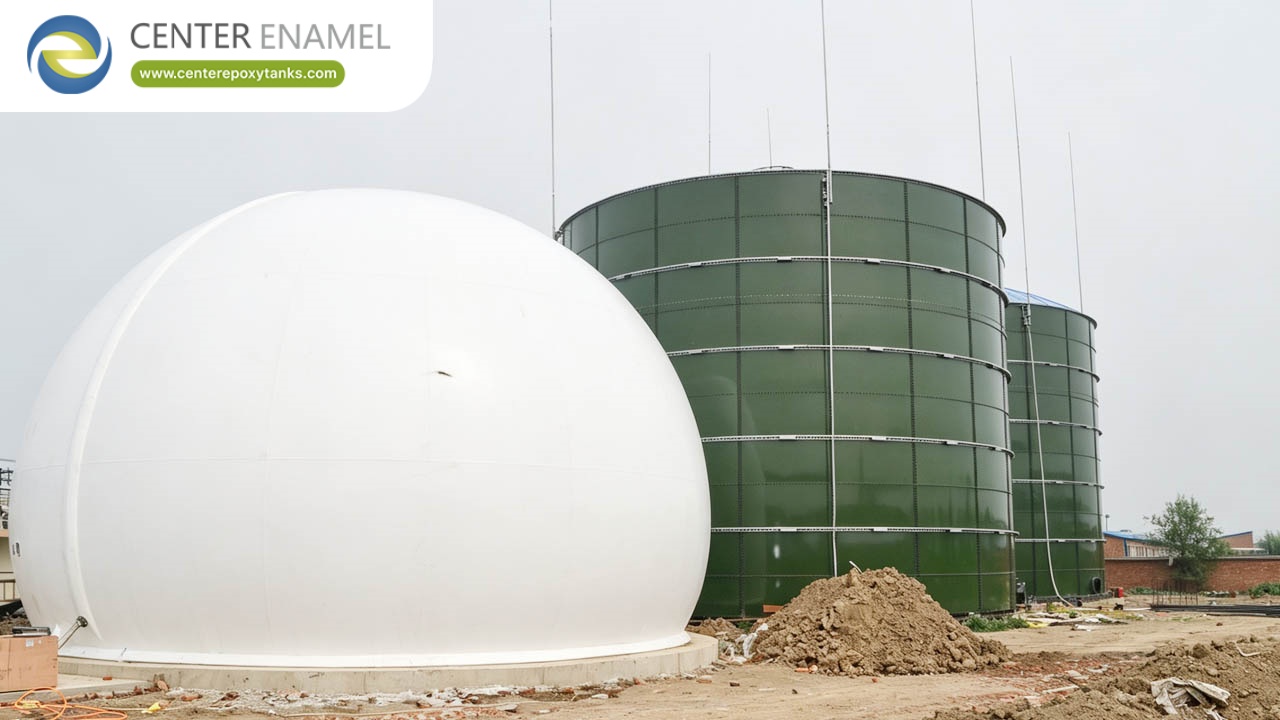
Biogas Holders for Pig Farm Plants: Efficient Methane Recovery and Sustainable Slurry Management
Modern intensive pig farming operations generate massive volumes of high-strength organic waste in the form of pig manure and liquid slurry. When left untreated, this high-COD waste releases significant quantities of methane and greenhouse gases into the atmosphere while posing severe odor and environmental contamination risks. To meet stringent environmental regulations and reduce rising energy overheads, large-scale livestock farms increasingly adopt anaerobic digestion (AD) systems.
Anaerobic digestion stabilizes pig slurry while converting complex organic matter into high-purity, methane-rich biogas. However, capturing, buffering, and utilizing this renewable energy safely requires robust containment infrastructure. Advanced double-membrane biogas holders—engineered specifically to handle corrosive agricultural biogas—provide an optimal, cost-effective storage solution tailored for pig farm plants.
1. The Challenges of Pig Slurry Digestion and Biogas Buffering
Pig manure anaerobic digestion presents unique biochemical and operational complexities:
Fluctuating Biogas Generation Rates: Daily feeding schedules, cleaning routines, and seasonal temperature shifts cause rapid variations in gas production volume. Direct combustion without intermediate buffer storage frequently results in boiler instability or combined heat and power (CHP) engine shutdowns.
Aggressive Corrosive Environments: Biogas derived from pig slurry contains heavy moisture content and trace levels of hydrogen sulfide (H2S), which can rapidly degrade standard metal storage tanks and piping infrastructure.
Strict Pressure Regulation Needs: Downstream generators or boilers require a steady, consistent delivery pressure regardless of whether gas production is peaking or tapering off.
2. Engineered Architecture of Double-Membrane Biogas Holders
Double-membrane biogas holders solve these operational hurdles through a multi-layer, pressure-stabilized design:
Inner Membrane (Gas Containment): Fabricated from specialized, high-tenacity polyester fabrics coated with advanced PVC/PVDF polymers, the inner bladder securely encloses the biogas. It offers exceptional resistance against permeation, UV degradation, and biological corrosion.
Outer Membrane (Environmental Shield): Maintained continuously under slight positive pressure by an energy-efficient auxiliary air blower, the outer shell forms a robust hemispherical dome that protects the inner bladder against severe weather, heavy winds, and ultraviolet radiation.
Interstitial Air-Pressure Buffer: The space between the inner and outer layers acts as an automated regulation chamber, ensuring a constant, reliable output pressure for downstream energy utilization equipment.
Data Table: Biogas Storage Solution Comparison for Pig Farms
Technical Parameter | Double-Membrane Biogas Holder | Traditional Low-Pressure Steel Holder | High-Pressure Steel Gas Cylinder |
Volumetric Adaptability | Dynamic expansion and contraction based on real-time gas flow | Fixed operating volume with heavy mechanical counterweights | Fixed volumetric capacity requiring intensive gas compression |
Corrosion Resistance | High (Chemically inert PVC/PVDF fabrics resistant to H2S) | Moderate (Subject to internal rust and moisture degradation) | Moderate (Requires periodic interior protective recoating) |
Installation Footprint | Lightweight, modular design mounted on concrete pads or digester tanks | Heavy civil construction and deep foundation piles | Heavy skid mounts and thick-walled steel cylinders |
Maintenance Profile | Minimal upkeep with automated pressure monitoring | High (Requires frequent manual inspections and paint maintenance) | High (Requires strict pressure-vessel recertification audits) |
3. Operational and Environmental Benefits for Livestock Facilities
Integrating a high-performance biogas holder into a pig farm anaerobic digestion project delivers substantial financial and ecological advantages:
Energy Self-Sufficiency: Storing and burning captured methane in CHP units generates electricity and thermal energy to power farm ventilation, heating, and lighting, dramatically cutting operational overhead.
Odor and Emission Control: Fully sealed membrane systems eliminate fugitive biogas leaks and foul odors, ensuring excellent community relations and full compliance with environmental mandates.
Flexible Integration Options: Biogas holders can be configured either as standalone ground-mounted units on concrete slabs or installed directly on top of circular anaerobic digestion tanks (such as Glass-Fused-to-Steel or welded steel tanks) to minimize spatial footprint.
Frequently Asked Questions (FAQ)
Q: Why are double-membrane biogas holders essential for pig farm plants?
A: Pig manure anaerobic digestion produces fluctuating volumes of biogas containing moisture and hydrogen sulfide. Double-membrane biogas holders safely buffer these gas variations, provide stable delivery pressure for energy recovery, and resist corrosive agricultural gases.
Q: How does the double-membrane system maintain a constant gas output pressure?
A: An automated auxiliary air blower system continuously pressurizes the space between the inner and outer membranes, exerting a uniform downward force on the inner gas containment bladder to guarantee a steady output pressure.
Q: Can biogas holders be mounted directly onto pig slurry anaerobic digester tanks?
A: Yes. Biogas holders can be configured as standalone units on concrete foundation pads or installed directly on top of circular digestion tanks as tank-mounted covers, saving valuable space on the farm.
Q: What materials are used to manufacture agricultural double-membrane gas holders?
A: They are fabricated using high-tenacity polyester base fabrics coated with specialized PVC/PVDF formulations treated with anti-fungal and UV-resistant compounds, ensuring long-term durability in demanding livestock environments.


