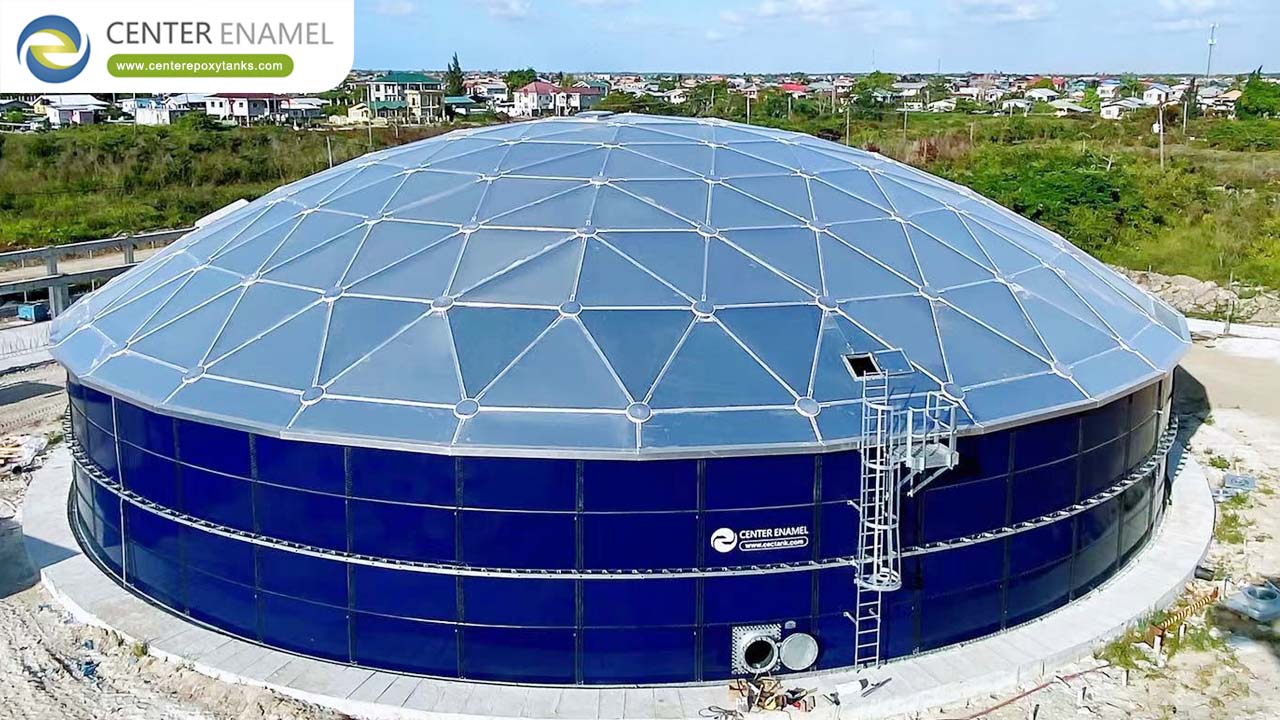
Benefits of API 650 Epoxy Coated Steel Tanks for Petrochemical Facilities: Engineering Safety, Longevity, and Compliance
In modern petrochemical processing, petroleum refining, and chemical distribution terminals, aboveground storage tanks serve as critical infrastructural lifelines. Handling everything from crude oil fractions and intermediate feedstocks to finished petrochemicals and industrial solvents, these vessels must maintain absolute containment security under severe chemical and environmental conditions.
Because aggressive hydrocarbons, acidic impurities, and volatile organic compounds (VOCs) can rapidly degrade standard structural metals, selecting the correct combination of international design codes and protective lining technology is paramount. Integrating advanced epoxy coating systems within tanks built to API 650 standards provides petrochemical operators with an optimal balance of structural strength, chemical defense, and long-term asset reliability.
The Critical Intersection of API 650 and Advanced Protective Linings
The American Petroleum Institute's API 650 standard represents the global engineering benchmark for welded atmospheric and low-pressure storage tanks. It governs critical design parameters—including shell plate thickness calculations, hydrostatic load distribution, seismic overturning stability, and rigorous weld inspection protocols.
However, while bare carbon steel structural plates provide immense tensile strength, they remain susceptible to internal oxidation, pitting, and chemical attack when exposed to sour crude or aggressive chemical agents. Applying high-performance epoxy coatings—such as factory-controlled or field-verified thermoset fusion bonded epoxy (FBE)—transforms standard API 650 vessels into highly inert, corrosion-resistant containment systems.
Core Advantages of Epoxy Coated API 650 Storage Tanks
Superior Chemical and Corrosion Defense: Petrochemical fluids often contain moisture, sulfur compounds, and trace acids that cause under-film corrosion. High-grade epoxy linings form an impermeable, cross-linked barrier that isolates the steel substrate from corrosive media, extending the tank's operational lifespan.
Compliance with Stringent Environmental Regulations: By preventing localized pitting and wall thinning, epoxy coatings eliminate micro-leaks and fugitive emissions, ensuring strict alignment with environmental protection mandates and OSHA/EPA safety guidelines.
Enhanced Product Purity: In refined product and chemical storage, rust contamination can ruin high-value batches. The smooth, non-porous surface of cured epoxy prevents particulate shedding and product discoloration.
Optimized Lifecycle Maintenance Costs: While initial application requires precision surface preparation (such as near-white metal blast cleaning per ISO 8501-1 Sa 2.5), the resulting durability significantly reduces the frequency of intrusive internal maintenance, sandblasting, and major structural plate replacements.
Technical Performance Matrix: Petrochemical Storage Solutions
Technical Parameter | API 650 Epoxy-Coated Welded Steel Tanks | Unlined Carbon Steel API 650 Tanks | Cast-in-Place Concrete Basins |
Corrosion & Chemical Resistance | High resistance to hydrocarbons, refined products, and moderate chemical solutions | Prone to oxidation, pitting, and localized weld-seam corrosion over time | Susceptible to chemical attack, concrete carbonation, and aggressive leaching |
Structural Design Code | Engineered strictly to API 650 seismic, wind, and hydrostatic standards | Built to API 650 specifications without internal protective barriers | Governed by civil engineering codes (ACI); lacks standardized oil-field adaptability |
Maintenance & Inspection Cycle | Long inspection intervals with predictable coating wear and easy patch repair | Requires frequent internal entry, thickness mapping, and spot repairs | High remediation costs if structural micro-cracking or chemical seepage occurs |
Vapor & Emission Control | Integrates seamlessly with fixed, internal floating, or external floating roofs | Standard structural shell; requires matching roof options for emission control | Difficult to seal hermetically; prone to vapor release through porous concrete |
Frequently Asked Questions (FAQ)
Q: Why are epoxy coatings essential for API 650 tanks in petrochemical plants?
A: Petrochemical products, crude fractions, and industrial chemicals often contain corrosive agents like hydrogen sulfide, moisture, and organic acids. Epoxy coatings seal the underlying carbon steel substrate, preventing rust, pitting, and structural degradation while safeguarding product purity.
Q: Do epoxy-coated tanks comply with the structural requirements of API 650?
A: Yes. The structural shell, bottom plates, and roof configurations are engineered strictly in accordance with API 650 design rules (calculating plate thickness based on liquid specific gravity and height), while the internal epoxy lining serves as an added protective barrier on top of the certified steel structure.
Q: What types of petrochemical products can be stored in epoxy-lined API 650 tanks?
A: They are widely used for storing crude oil, diesel, kerosene, jet fuel, lubricating oils, process water, and various industrial chemical feedstocks, provided the specific epoxy formulation is chemically rated for the target fluid.
Q: How does surface preparation affect the performance of epoxy coatings in petrochemical tanks?
A: Surface preparation is critical. Steel plates must undergo abrasive blast cleaning to a high standard (such as Sa 2.5) to remove mill scale and create the proper anchor profile, ensuring optimal mechanical adhesion and long-term blister prevention under harsh industrial operating conditions.


