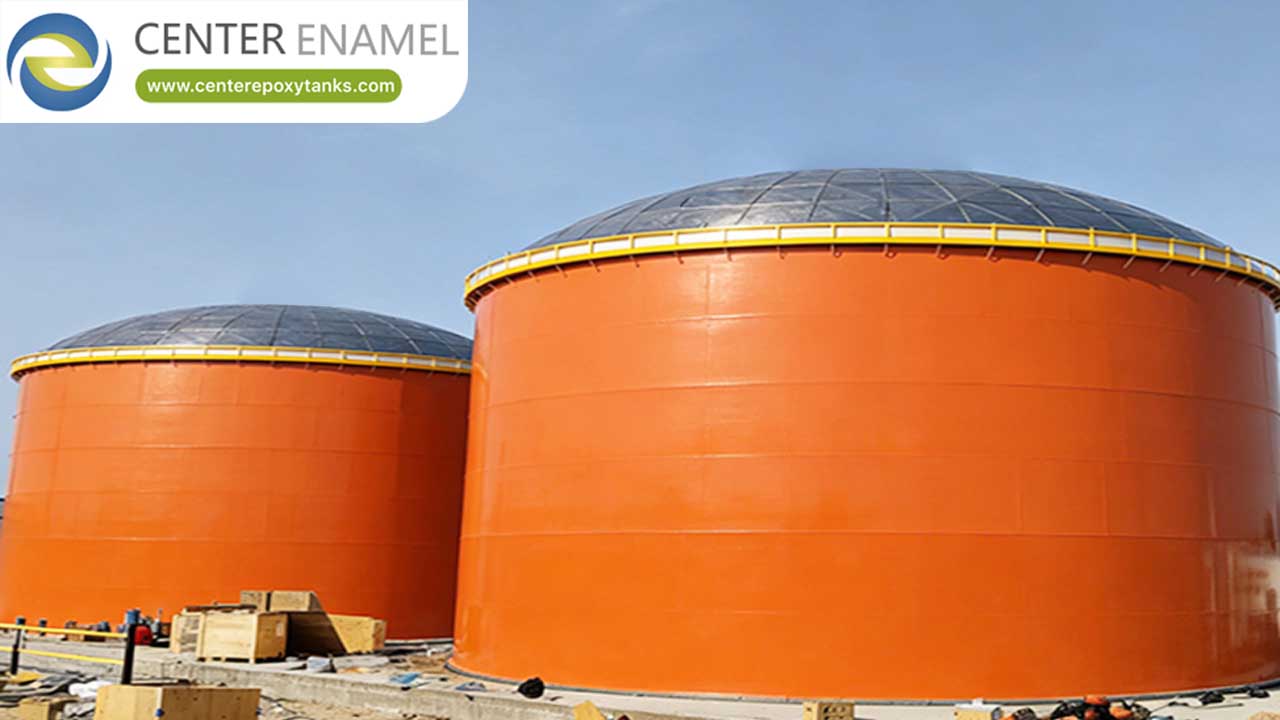
API 650 Welded Steel Tanks for Oil Storage: The Global Gold Standard
API 650 is the international standard established by the American Petroleum Institute that defines the requirements for the design, fabrication, and erection of large, vertical, cylindrical, aboveground welded steel storage tanks. It is the industry-standard code for storing crude oil, refined petroleum products, and other liquid chemicals at atmospheric or near-atmospheric pressure. Compliance with API 650 ensures structural integrity, environmental protection, and operational safety, making it the non-negotiable benchmark for global oil and gas infrastructure.
Why API 650 is Essential for Oil Storage
In the high-stakes environment of oil and gas, tank failure is not an option. API 650 provides the engineering "blueprint" that mitigates risks associated with hydrostatic stress, seismic events, and material fatigue.
1. Robust Design Philosophy
API 650 tanks are engineered to handle the specific gravity of petroleum products and the environmental stressors of their site. The standard mandates:
● Variable Design Point Method: Optimizes the thickness of shell courses based on the decreasing pressure toward the top of the tank.
● Wind & Seismic Load Analysis: Ensures tanks remain stable in high-wind zones or earthquake-prone regions.
2. Material Compliance & Welding Quality
The standard dictates the use of specific grades of carbon or stainless steel that offer the necessary ductility and notch toughness to prevent brittle fracture. Furthermore, Non-Destructive Examination (NDE)—such as radiographic (X-ray) and ultrasonic testing—is mandatory for weld seams to ensure they are free of internal porosity or cracks.
3. Safety and Environmental Mitigation
API 650 tanks are designed with secondary containment features, advanced venting systems to handle vapor pressure, and floating roof options to minimize VOC (Volatile Organic Compound) emissions—critical for regulatory compliance in modern oil terminals.
Comparative Matrix: API 650 vs. Other Storage Standards
Engineering Parameter | API 650 (Welded) | API 620 (Pressure) | AWWA D103 (Bolted) |
Primary Use | Atmospheric Oil/Chemicals | Higher-Pressure Liquids/Gases | Water/Wastewater |
Construction | Welded (Field-erected) | Welded (Complex geometry) | Bolted (Modular) |
Pressure Rating | Up to 2.5 PSI | > 2.5 PSI | Atmospheric |
Integrity Focus | Structural/Leak-proof | Pressure/Containment | Seal/Gasket integrity |
The Lifecycle of an API 650 Tank
API 650 governs the birth of the tank (design and construction), but the tank’s operational life is governed by API 653, which covers inspection, repair, and alteration.
1. Engineering & FEA: Finite Element Analysis ensures the design meets site-specific load requirements.
2. Fabrication: Use of certified welders and materials.
3. Hydrostatic Testing: The tank is filled with water to test structural integrity before it ever holds a drop of oil.
4. Ongoing Maintenance: Periodic API 653 inspections ensure the tank remains compliant as it ages.
Frequently Asked Questions (FAQ)
1. Why is API 650 the "Gold Standard" for oil?
It is the most widely adopted code globally because it balances structural safety, material efficiency, and environmental risk mitigation. Most regulatory bodies and insurance providers require compliance with API 650 for any large-scale oil storage project.
2. Can an API 650 tank hold substances other than oil?
Yes. While developed for petroleum, the API 650 standard is commonly applied to water, biofuels, fertilizers, and a wide variety of industrial chemicals.
3. What is the difference between API 650 and API 653?
API 650 is the "Construction Code" used to build the tank. API 653 is the "Maintenance Code" used to inspect, repair, or dismantle the tank once it is in service.
4. Are API 650 tanks always built on-site?
For very large oil storage tanks (e.g., 20–100+ meters in diameter), field erection is mandatory. However, smaller API 650 tanks can be "shop-fabricated" (built in a factory) and transported to the site fully assembled.
5. How do I know if my tank project requires API 650?
If your tank is aboveground, cylindrical, stores liquid at near-atmospheric pressure, and is used for flammable or hazardous petroleum products, it almost certainly must be built to API 650 specifications to meet safety and legal requirements.


