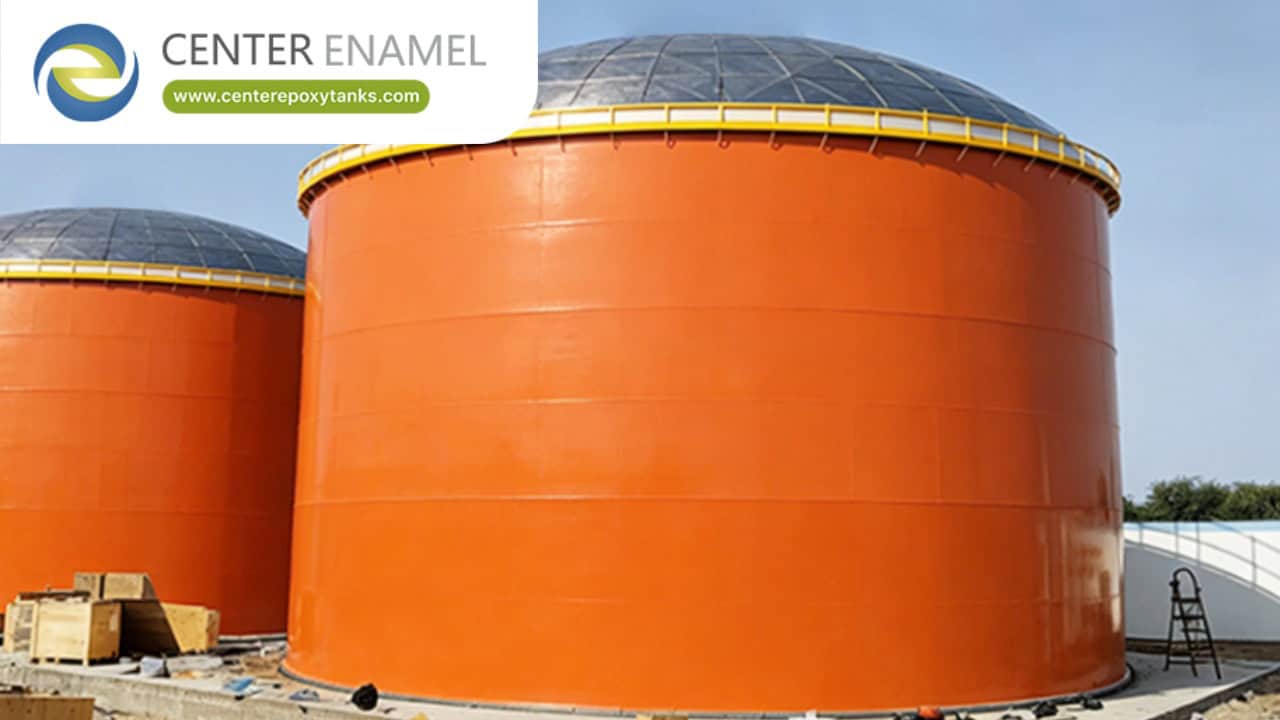
Aluminum Geodesic Dome Roofs for High-Performance Stainless Steel Silo Tanks
An aluminum geodesic dome roof paired with a stainless steel silo tank represents the industry standard for high-performance storage in the food, pharmaceutical, and chemical industries. This configuration maximizes structural longevity by combining the hygienic, corrosion-resistant properties of stainless steel walls with the lightweight, clear-span, and weather-resistant advantages of a geodesic aluminum dome. Designed for facilities requiring strict contamination control, these systems provide a maintenance-free, unobstructed interior—eliminating internal support columns where dust, bacteria, or residue could accumulate—while ensuring total protection from environmental contaminants.
The Synergy: Why Pair Aluminum Domes with Stainless Silos?
For facilities handling high-value materials (e.g., dry food ingredients, fine chemicals, or specialized bulk solids), the roof is the most vulnerable point of the silo. Traditional flat or cone roofs often suffer from structural sagging, water pooling, or internal column contamination.
Integrating an aluminum geodesic dome changes the operational paradigm:
Hygiene & Contamination Control: The geodesic design is inherently clear-span (no internal columns). This eliminates "dead zones" where material can bridge, cake, or harbor bacterial growth. The interior surface remains smooth and unobstructed, facilitating easier cleaning and 100% material discharge.
Unmatched Corrosion Resistance: Stainless steel silos are chosen for their inert nature. Adding an aluminum dome complements this by providing an external cover that is naturally resistant to oxidation, UV degradation, and chemical fumes, ensuring that the entire storage unit remains inert for the duration of its service life.
Dynamic Structural Load Handling: Aluminum domes utilize a triangulated, geodesic lattice that effectively handles snow, wind, and seismic loads without placing excessive stress on the silo walls, allowing for larger, more efficient storage volumes.
Comparative Overview: Silo Roofing Solutions
Feature | Aluminum Geodesic Dome | Stainless Steel Cone Roof | Flat Concrete/Steel Lid |
Structural Design | Clear-span (No columns) | Requires supports | Heavy/Fixed |
Hygienic Profile | Superior (No internal catch points) | Moderate | Low (Crevices/Corners) |
Maintenance | Minimal (No painting) | High (Requires polishing/passivation) | High (Structural repair) |
Installation | Rapid (Modular) | Slow (Field welding) | Very Slow |
Weight | Very Light | Heavy | Very Heavy |
Engineering Precision: Addressing Galvanic Compatibility
A critical consideration for plant engineers is the interface between aluminum and stainless steel. When installing these systems, professional engineering teams ensure:
Galvanic Isolation: The connection point between the dome’s tension ring and the silo shell must utilize high-performance nylon or Teflon isolation gaskets and washers. This physically separates the dissimilar metals, preventing galvanic corrosion and ensuring that the structural integrity of the joint is maintained for decades.
Precision Geometry: Geodesic domes are mathematically designed to distribute stress uniformly. When matched with a high-performance silo, the system acts as a unified pressure vessel, effectively sealing the contents from humidity, moisture, and airborne pollutants.
Frequently Asked Questions (FAQ)
Q: Is aluminum compatible with food-grade stainless steel silos?
A: Yes. Aluminum dome roofs are widely used in food processing. They do not leach contaminants and are resistant to the cleaning agents typically used in sanitation protocols. When specified with NSF-compliant sealing materials, they meet the highest hygiene standards.
Q: Can a dome roof be installed on an existing stainless steel silo?
A: Absolutely. Aluminum domes are often used to replace aging, corroding, or leaking flat/cone roofs. Because they are significantly lighter than steel alternatives, they can usually be retrofitted to existing silo structures without requiring expensive foundation upgrades.
Q: How does the dome roof perform in high-moisture chemical environments?
A: Aluminum naturally forms an alumina layer that is highly resistant to many chemical vapors. For environments with extreme pH exposure, the interior of the dome panels can be factory-coated with fluoropolymer finishes for added protection.
Partnering for High-Performance Storage
Your storage infrastructure is a long-term asset. Pairing the unmatched material properties of stainless steel with the structural efficiency of an aluminum geodesic dome is an investment in product purity, reduced maintenance, and operational uptime.
Are you currently evaluating roofing solutions for a new silo installation or an aging storage asset?
[Contact our engineering team] to request a structural feasibility analysis, review our material compatibility data, or receive a technical proposal tailored to your silo diameter and storage requirements.


