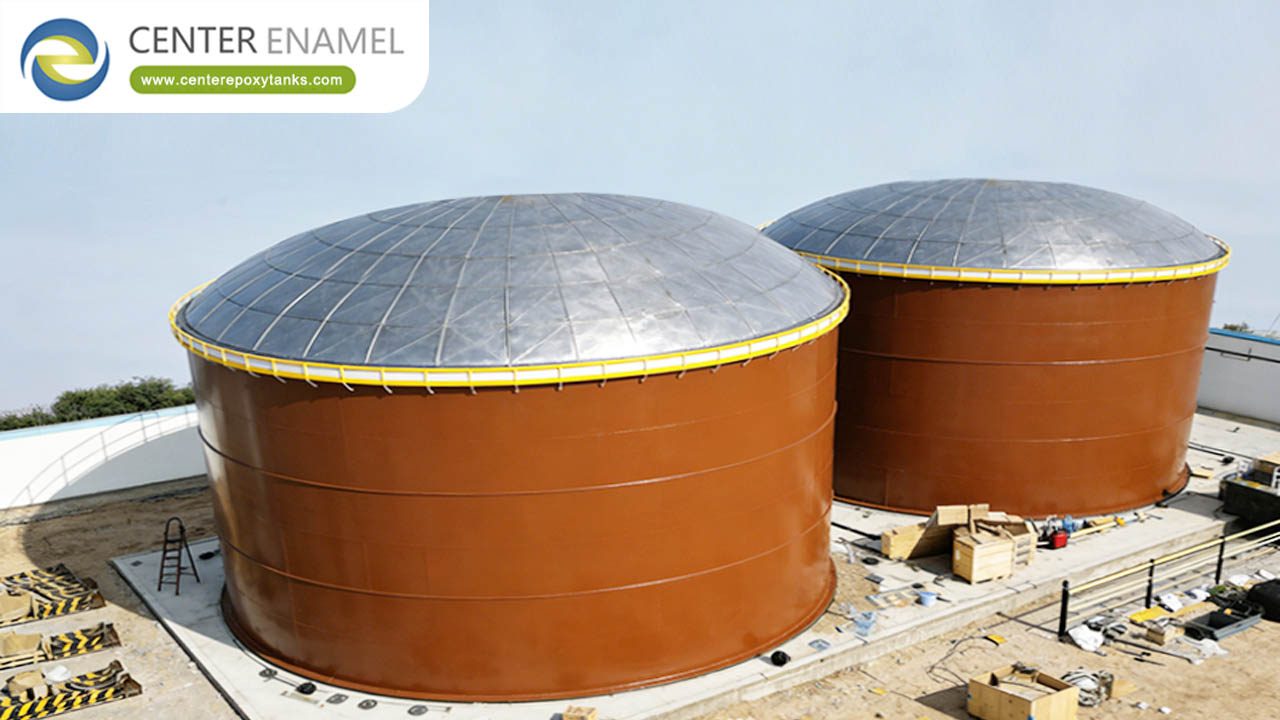
Aluminum Geodesic Dome Roofs: Efficient Covering Solutions for Fire Water Tanks
Aluminum geodesic dome roofs are widely recognized as the industry-standard covering solution for large-diameter fire water storage tanks. Engineered to meet API 650 (Appendix G) standards, these roofs offer a self-supporting, "clear-span" structure that eliminates the need for internal support columns. Constructed from high-strength, marine-grade aluminum alloys, they provide an inherently corrosion-resistant, maintenance-free barrier that protects fire water reserves from environmental contamination, UV radiation, and debris. By minimizing water quality degradation and removing the need for periodic repainting, these domes significantly reduce the long-term total cost of ownership (TCO) compared to traditional fixed-steel or concrete roofs.
Why Fire Water Storage Demands High-Performance Roofing
Fire protection systems are "standby" assets; they must perform perfectly the moment an emergency occurs. If a fire water tank is compromised by stagnant water quality, debris, or structural corrosion, the entire fire suppression system is at risk.
1. Eliminating Contamination & Debris
Fire water tanks are often large-diameter, open-access systems. A fixed-roof or an open-top design can allow dust, leaves, bird droppings, and algae growth to contaminate the water supply. Aluminum domes provide a near-hermetic seal that prevents external matter from entering the tank, ensuring that fire pumps and sprinkler nozzles remain free of clogs during a critical event.
2. Structural Advantages: The "Clear-Span" Design
Unlike traditional steel cone roofs, which often require internal support rafters and columns, the geodesic dome is self-supporting. It transfers all loads (snow, wind, live loads) to the tank shell.
No Internal Corrosion Sites: Internal columns are notorious for failing due to constant contact with the water surface. Removing them eliminates these failure points entirely.
Easy Maintenance: A clear-span interior allows maintenance crews to easily inspect the tank liner and floor without navigating around a jungle of internal steel supports.
3. Superior Material Science (Aluminum vs. Steel)
Steel roofs require rigorous maintenance schedules—typically involving sandblasting and repainting every few years to prevent rust. Aluminum is different:
Natural Oxide Layer: Aluminum naturally forms a protective, non-reactive oxide layer that makes it effectively immune to atmospheric corrosion, even in high-humidity or saline (coastal) environments.
Zero Painting Required: You install it once, and it essentially lasts for the life of the tank without needing surface treatment.
Engineering Compliance & Standards
For fire safety infrastructure, reliability is defined by strict adherence to international codes.
API 650 Appendix G: This is the primary governing standard for the design and construction of aluminum dome roofs on storage tanks. It ensures the roof can handle site-specific seismic, wind, and snow loads.
Corrosion Resistance: The specific aluminum alloys used (typically 3003-H14 or 6061-T6) are selected for their high strength-to-weight ratio and resilience against the chemical profile of local water supplies.
Fire Compatibility: Geodesic domes can be engineered to support essential fire protection hardware, including foam injection systems, vents, and fire-resistant access hatches, ensuring full compliance with NFPA standards.
Comparative Value: Aluminum Dome vs. Traditional Roofs
Feature | Aluminum Geodesic Dome | Fixed Steel Cone Roof | Concrete Roof |
Corrosion Resistance | Excellent (Inherent) | Poor (Requires painting) | Moderate |
Internal Supports | None (Clear-Span) | Required (Columns/Rafters) | Required |
Maintenance | Negligible | High (Periodic Coating) | Moderate (Sealing/Cracks) |
Installation Speed | Rapid (Modular) | Slow (Field-Welded) | Very Slow |
Asset Service Life | 40+ Years | 20–25 Years | 30–50 Years |
Frequently Asked Questions (FAQ)
Q: Can aluminum geodesic domes be retrofitted onto existing fire water tanks?
A: Yes. Because they are lightweight and self-supporting, they are frequently used to replace aging, corroded steel roofs on existing tanks. They can often be installed without disrupting the operation of the tank below, saving significant downtime.
Q: How do they handle heavy snow or high wind loads?
A: The geodesic structure is mathematically optimized to distribute vertical loads (like snow) across the entire grid. This strength-to-weight ratio is significantly superior to flat or low-profile steel roof designs, allowing them to be engineered for even the most extreme climatic zones.
Q: Do these roofs require special lightning protection?
A: Because they are made of conductive aluminum, the dome itself acts as an effective shield. We generally recommend standard bonding and grounding practices per NFPA 780 to ensure the entire tank system is protected against lightning strikes.
Q: How do I request a quote for my project?
A: To get an accurate proposal, provide your tank diameter, local environmental parameters (wind/snow load requirements), and any specific nozzles or accessories you need to mount on the roof. Our engineering team can then perform a structural analysis to confirm the dome specifications for your tank.
Are you currently managing a fire safety infrastructure project or considering a tank roof replacement? Contact our engineering team today for a technical consultation on optimizing your fire water storage with a high-performance aluminum dome.


