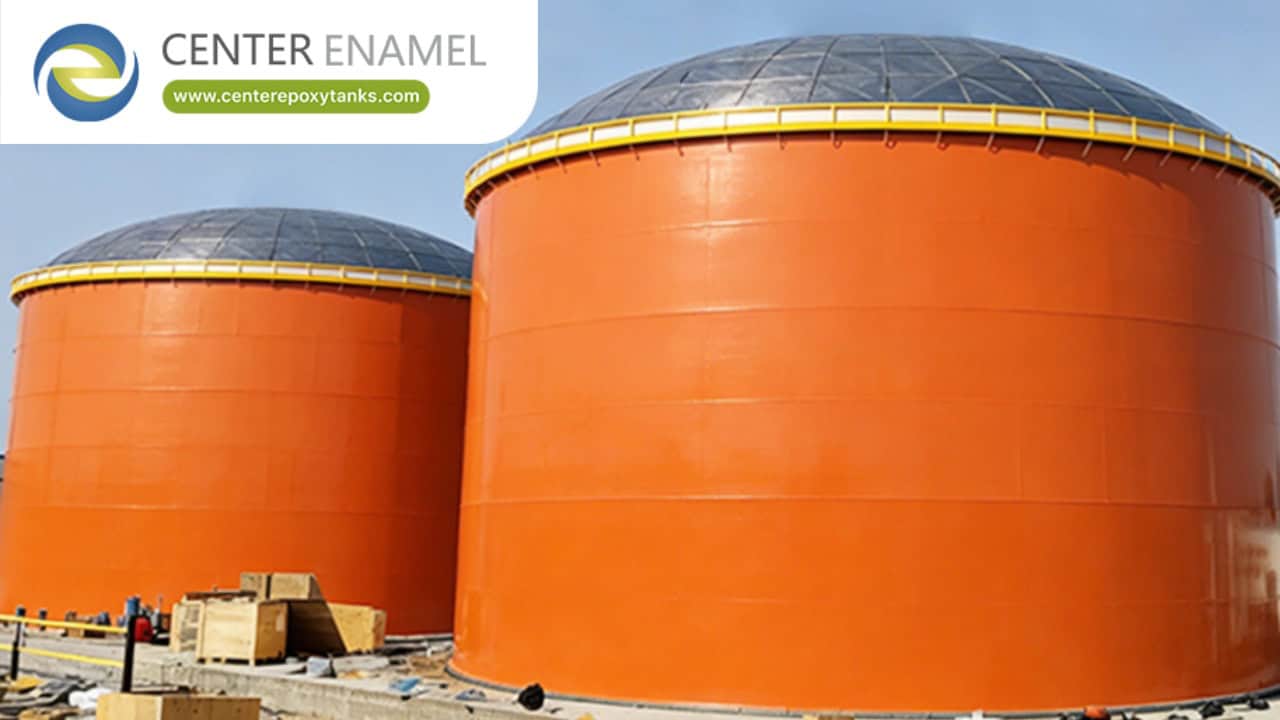
Aluminum Dome Roofs For Chemical Storage Tanks: Compatibility And Fume Handling
Chemical storage spans acids, caustics, solvents and salts — each demanding specific compatibility. This article centers chemical storage: how an aluminum dome is specified for media compatibility and fume handling, a distinct application from petroleum or water.
Chemicals are a compatibility problem
Unlike petroleum's hydrocarbon vapor, chemicals range from acidic to caustic to solvent. The dome's value is a sealed, accessible cover; the compatibility work is in the sealing, any liner, and the fume-handling interface matched to the specific chemical.
Aluminum and chemical vapor
Aluminum resists many atmospheres via its oxide film but is attacked by some acids and alkalis. The vapor-space material and sealing are selected per chemical; where aluminum is unsuitable at the interface, a compatible liner or coating is specified.
Liner and coating choices
For aggressive chemicals a drop-in liner or internal coating protects the tank and, by extension, defines what the dome interface meets. The dome and liner must be specified together so the sealed envelope is chemically coherent.
Fume capture and scrubbing
Chemical tanks often route fumes to a scrubber or thermal oxidizer. The dome's sealed vapor space collects the fume at controlled vents and delivers a concentrated stream to the abatement system — the same enclosure logic as hydrocarbon recovery, applied to chemical abatement.
Access for chemical service
Chemical tanks need frequent inspection and sometimes lining work. A clear-span dome gives unobstructed roof access, a practical advantage for chemical maintenance.
Chemical compatibility table
Chemical class | Dome interface note | Fume handling |
Acids (e.g., H2SO4) | Liner / compatible seal | Scrubber |
Caustics | Alkali-resistant seal | Scrubber / vent |
Solvents | VOC-grade seal | Recovery / oxidizer |
How it differs from water or petroleum
Water (separate articles) centers potability and NSF/WRAS; petroleum centers volatility; chemicals center compatibility and abatement. The dome is the enclosure; the chemical spec is unique.
Honest boundary
No chemical aluminum-dome project is in the verified case library; this is engineering guidance for chemical storage.
Specification inputs
Provide chemical, concentration, temperature and abatement method; the dome is specified for compatibility and fume capture.
Summary
For chemical storage the dome is a sealed, accessible cover whose interface is chemically specified and tied to abatement — a compatibility-driven envelope.
Liner and dome coherence
Where a tank uses a drop-in liner or internal coating, the dome interface must be specified together so the sealed envelope is chemically coherent from liquid to vapor space.
A liner specified without reference to the dome seal can leave a mismatched joint that defeats both.
Fume to abatement
Chemical fumes are routed from the dome's sealed space to a scrubber or oxidizer at controlled vents. The enclosure logic mirrors hydrocarbon recovery: collect at the sealed source, deliver a concentrated stream.
The abatement hardware stays separate; the dome supplies the tight envelope that makes it effective.
Access for chemical service
Chemical tanks need frequent inspection and sometimes lining work; a clear-span dome gives unobstructed roof access, a practical advantage for chemical maintenance.
That access reduces the time and risk of internal work, which matters more for corrosive service.
Acid versus alkali seal
Acids and caustics attack differently; the seal grade is named per chemical rather than a generic 'chemical' label, which is the difference between a durable joint and a failing one.
Scrubber interface
The dome collects fume at controlled vents and delivers it to the scrubber or oxidizer; the interface is drawn to the abatement system, not left generic.
Solvent recovery
Many solvents are VOC-grade and recovered rather than released; the dome collects the fume at controlled vents to recovery or oxidizer, mirroring hydrocarbon practice. The abatement hardware is separate; the dome supplies the tight envelope that makes recovery efficient.
Caustic handling
Caustics attack some materials that acids do not; the interface sealing for caustic service is specified accordingly, sometimes with a compatible liner. Aluminum's resistance is one factor, the seal grade the deciding one at the vapor boundary.
Chemical inventory mapping
The first step for any chemical tank is mapping the actual inventory — concentration, temperature, impurities — to the compatible sealing and liner package, because 'chemical storage' spans acids, caustics and solvents that demand different materials. The dome is then specified to that mapped envelope rather than to a generic chemical label, which is what prevents the common failure of a seal chosen for the wrong species.
From inventory to envelope
The path from a chemical name to a dome specification runs through inventory: concentration, temperature, impurities and any co-stored streams define the vapor the seal must resist. Skipping that mapping is how a generic 'chemical' dome ends up with a seal wrong for the actual species.
Once the inventory is mapped, the liner, seal and fume interface are specified as one coherent package so the vapor space is chemically consistent from liquid to vent. The dome is the cap of that package, not a separate decision, which is what makes chemical storage enclosure safe rather than merely closed.
Frequently Asked Questions
Q: Can aluminum domes suit chemical tanks?
A: Yes, as a sealed cover; the interface sealing/liner is specified per chemical.
Q: Is aluminum attacked by chemicals?
A: Its oxide film resists many, but acids/alkalis need compatible seals or liners.
Q: How are chemical fumes handled?
A: The sealed dome space collects fume at controlled vents to scrubber or oxidizer.
Q: Is there a delivered chemical project?
A: Not in the verified library; this is engineering guidance.
Q: How does it differ from petroleum?
A: Chemicals center compatibility and abatement; petroleum centers volatility.
Q: What should I specify?
A: Chemical, concentration, temperature and abatement method.
Conclusion
Aluminum domes serve chemical storage as a sealed, accessible cover whose interface is chemically specified and tied to abatement. The compatibility work — not the aluminum alone — is what makes the envelope safe.
Project Reference And Honest Disclosure
Evidence note: the verified case library contains aluminum-dome-roof deliveries only on potable-water, wastewater and desalination tanks. No petroleum, chemical, gas or LNG project with an aluminum dome roof is on file. This article is therefore based on general aluminum-dome engineering and applicable codes, and does not present a project case for this application.
Work With Center Enamel
Center Enamel, established in 2008 and based in Shijiazhuang, China, manufactures glass-fused-to-steel (GFS), epoxy-coated, galvanized, stainless steel and welded storage tanks, aluminum geodesic dome roofs, floating roofs, pressure vessels and wastewater and biogas engineering packages. Its production system is certified to ISO 9001, and its tanks and coatings are validated against NSF/ANSI 61, WRAS, FM and CE (EN 1090) where applicable. The company has delivered more than 30,000 tank and enclosure projects across potable water, wastewater, fuel, chemical and dry-bulk applications.
Share the chemical, concentration and abatement method and we can outline a compatibility-specified dome envelope for your tank.
Sources And Further Reading
AWWA D108, Standard for Aluminum Domes and Roof Structures.
API 650 / API 2000 for tank venting context.
Chemical storage and fume-abatement practice references.


