Aluminum Dome Roofs for Aboveground Storage Tanks: Engineering & Design Guide
In the maintenance-intensive world of aboveground storage tank (AST) management, the roof structure is the most vulnerable component. Traditional fixed steel roofs are subject to constant oxidation, heavy structural loading, and the inevitable need for expensive recoating.
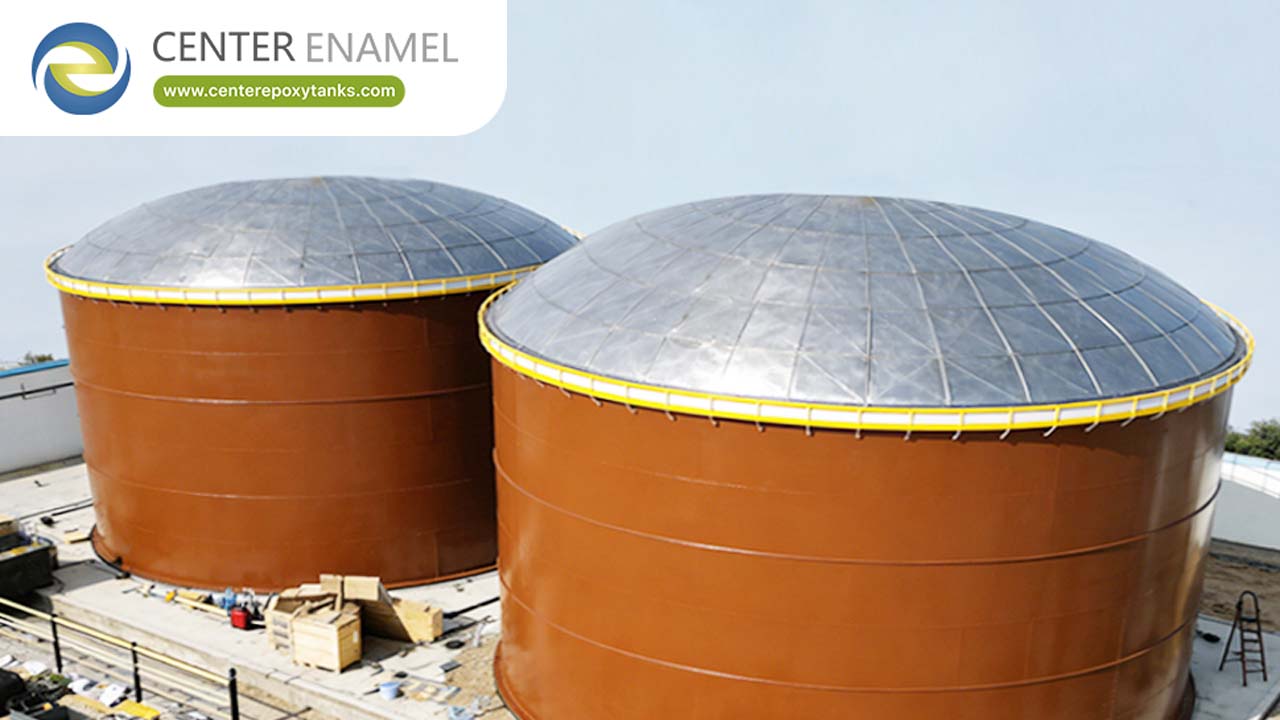
Aluminum Geodesic Dome Roofs have become the industry-standard solution for modern ASTs, offering a self-supporting, corrosion-immune, and clear-span architecture. Whether you are managing petroleum hydrocarbons, municipal wastewater, or potable water, aluminum domes provide the highest return on investment (ROI) by eliminating recurring maintenance and enhancing long-term structural integrity.
1. The Geodesic Engineering Advantage
Aluminum dome roofs utilize a triangulated geodesic geometry that transforms the roof into a rigid, monolithic space frame. Unlike conical steel roofs, which require internal rafter systems and support columns, the geodesic dome transfers all dead and live loads directly to the tank perimeter.
● Clear Span Capability: By eliminating the need for internal support columns, these roofs provide a completely unobstructed internal space. This is critical for tanks utilizing Internal Floating Roofs (IFR), as it removes the mechanical interference that often leads to IFR hang-ups or damage.
● Lightweight Resilience: Aluminum has a superior strength-to-weight ratio compared to steel. A dome roof is typically 1/10th the weight of a comparable steel roof, significantly reducing the seismic load (base shear) transmitted to the tank foundation.
2. Corrosion Immunity & Material Science
The primary driver for the adoption of aluminum domes is the elimination of the "corrosion loop."
● Natural Passivation: Aluminum alloys (typically 6061-T6) naturally form a protective aluminum oxide layer when exposed to air. This layer is self-healing, meaning the roof remains protected even if the surface is scratched during installation or operation.
● Zero Painting Requirements: Unlike carbon steel, which requires a rigorous cycle of surface preparation (grit blasting) and high-performance coatings, aluminum requires no painting. This eliminates the need for on-site "hot work" or hazardous coating applications, drastically improving site safety.
3. Regulatory Compliance & Standards
For structural integrity, procurement of dome roofs must align with global standards:
● API 650 (Appendix G): The definitive standard for aluminum dome roofs on welded steel oil storage tanks. It mandates specific calculations for wind, snow, and seismic loads.
● AWWA D108: The governing standard for aluminum structures utilized in water and wastewater applications, ensuring that the materials and design are suited for environmental containment.
4. Technical Comparison: Roof System Options
Engineering Metric | Aluminum Geodesic Dome | Fixed Steel Cone Roof | Internal Floating Roof (IFR) |
Corrosion Defense | Inherent (Oxide Layer) | Requires Coatings | Variable |
Internal Supports | None (Clear Span) | Columns Required | Columns Required |
Maintenance | Minimal | High (Periodic Coating) | Moderate (Seal checks) |
Installation Speed | Fast (Bolted/Modular) | Slow (Field Welding) | Moderate |
Seismic Performance | High (Lightweight) | Low (Heavy Mass) | Low |
5. Environmental & Operational Benefits
Beyond structural durability, aluminum dome roofs serve as a powerful tool for environmental compliance and operational efficiency:
● Emissions Reduction (VOCs): Aluminum domes provide a highly effective barrier against vapor loss. When combined with a floating roof, they create a secondary barrier that minimizes Volatile Organic Compound (VOC) emissions, helping facilities meet stringent Clean Air Act standards.
● Thermal Management: The high reflectivity of aluminum reduces solar heat gain within the tank. This minimizes product evaporation and thermal expansion, which is essential for volatile petroleum products and sensitive chemical processing.
● Confined Space Safety: Because the interior is clear-span and the aluminum is corrosion-resistant, the frequency of required internal inspections is often lower. When inspections are necessary, the lack of internal columns provides a safer, more accessible environment for personnel.
Future-Proofing Storage Assets
For environmental consulting engineers, facility owners, and EPC contractors, the aluminum geodesic dome roof is not just a tank cover—it is a lifecycle cost reduction strategy. By removing the unpredictable nature of steel rust and the logistical burden of column-supported structures, aluminum dome technology provides a stable, predictable, and compliant storage environment that is built to last 30+ years with negligible maintenance.


