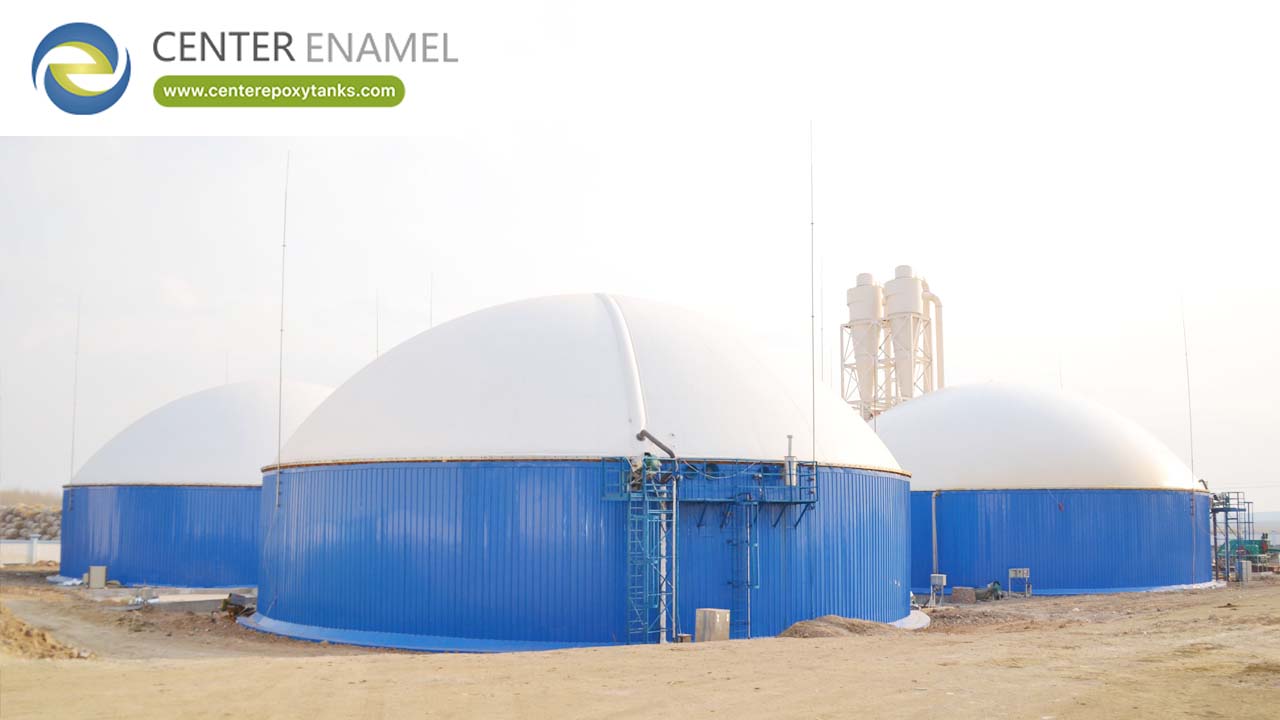
Advanced Double Membrane Biogas Roofs for Digestion Tanks: Elevating Efficiency
An advanced double membrane biogas roof is an integrated storage and protection system that transforms the top of an anaerobic digester into a dynamic, variable-volume gas reservoir. By utilizing an inner membrane to store biogas and an outer membrane for structural protection and pressure management, these systems eliminate the need for costly, separate gas storage infrastructure. They elevate digester efficiency by maintaining stable internal pressure, providing high resistance to the corrosive environment of biogas (H₂S), and enabling a "buffer" capacity that ensures constant energy production, even during fluctuations in feedstock and gas generation.
Engineering Synergy: Why Digestion Tanks Need Double Membranes
Modern anaerobic digestion efficiency is not just about the biological process; it is about the reliability of the gas collection loop. Traditional rigid roofs (concrete/fixed steel) fail to provide the adaptability required for optimized biogas processing. Advanced double membrane systems deliver efficiency through three distinct operational advantages:
Dynamic Volume Adaptation: The inner membrane inflates and deflates in real-time based on production. This "breathing" capability prevents the pressure spikes that can inhibit methanogenic bacteria, ensuring a more stable and productive biological environment within the tank.
Corrosion-Immune Barrier: The headspace of a digester is saturated with H₂S and water vapor—a lethal combination for carbon steel. Advanced membranes (using specialized PVDF/PVC coatings) are chemically inert. They do not require the constant recoating or maintenance that traditional roofs demand, ensuring the integrity of the containment seal for 15+ years.
Operational "Buffer" Capacity: By turning the digester roof into a storage tank, the system decouples production from consumption. This allows operators to store gas during peak generation and consume it during peak energy demand, maximizing the uptime and ROI of Combined Heat and Power (CHP) units.
Comparative Overview: Digester Cover Technologies
For facility managers and EPC contractors, the choice of roof technology impacts the entire lifecycle cost of the digester plant.
Feature | Advanced Double Membrane Roof | Fixed Steel/Concrete Roof |
Gas Storage Capability | Integrated (Variable Volume) | None |
Corrosion Resistance | Excellent (Inert Materials) | Low (Requires frequent coating) |
Weight on Digester | Lightweight (Minimal Foundation) | Heavy (High Structural Load) |
Installation Time | Rapid (Modular/Bolted) | Very Slow (Civil Engineering) |
Pressure Management | Active/Automated | Passive/Manual |
Expansion Potential | High (Adaptable) | None |
Key Technical Benchmarks for Infrastructure Procurement
To ensure your biogas plant operates at peak performance, procurement must look beyond basic fabric specs and demand engineering-grade components:
Material Science: Demand high-tenacity, chemically resistant polyester fabrics with specialized UV-stabilized PVDF or PVC coatings. This ensures resistance to H₂S concentrations (up to 8000 ppm) and prevents environmental degradation.
High-Frequency Welding (RF): Manual stitching is a failure point. High-frequency welding ensures that seam strength exceeds the base material’s tensile strength, guaranteeing a leak-proof gas seal.
Integrated Automation: A true efficiency-boosting roof is not just a fabric; it is a system. Ensure the solution includes an integrated constant-pressure control cabinet, ultrasonic level sensors, and hydraulic relief valves that provide real-time data to the plant’s SCADA system.
Footprint Optimization: For site-constrained facilities, specify tank-mounted membrane solutions that eliminate the need for a separate gas storage foundation, reducing the total project footprint.
Frequently Asked Questions (FAQ)
Q: Can double membrane roofs be retrofitted onto existing concrete or steel tanks?
A: Yes. Because these roofs are significantly lighter than traditional covers, they are an ideal upgrade for aging digesters. They reduce the load on the existing tank wall and can often be installed without major foundation reinforcements.
Q: How do these roofs handle extreme weather?
A: The outer membrane is kept permanently inflated by a dedicated air blower. This creates a rigid dome that is highly resistant to wind, snow, and rain. The system is designed to operate reliably in temperatures ranging from -40C to +70C.
Q: What is the maintenance protocol for an advanced membrane system?
A: Maintenance is minimal compared to rigid roofs. It involves routine checks of the pressure control blowers, sensors, and the physical integrity of the outer membrane. No painting, sandblasting, or crack-sealing is required.
Elevating Plant Longevity
The roof is the most frequent point of failure in poorly designed digesters. By investing in an advanced double membrane system, you are not just buying a cover; you are securing the operational efficiency, safety, and longevity of your renewable energy asset.
Are you planning a new anaerobic digester project or retrofitting an existing facility?
Contact our technical engineering team to request a structural feasibility analysis, gas capacity assessment, and a technical proposal tailored to your daily feedstock volumes and local climate requirements.
Would you like me to provide a detailed comparison of the material performance differences between PVC vs. PVDF coatings for high-H₂S biogas environments?


