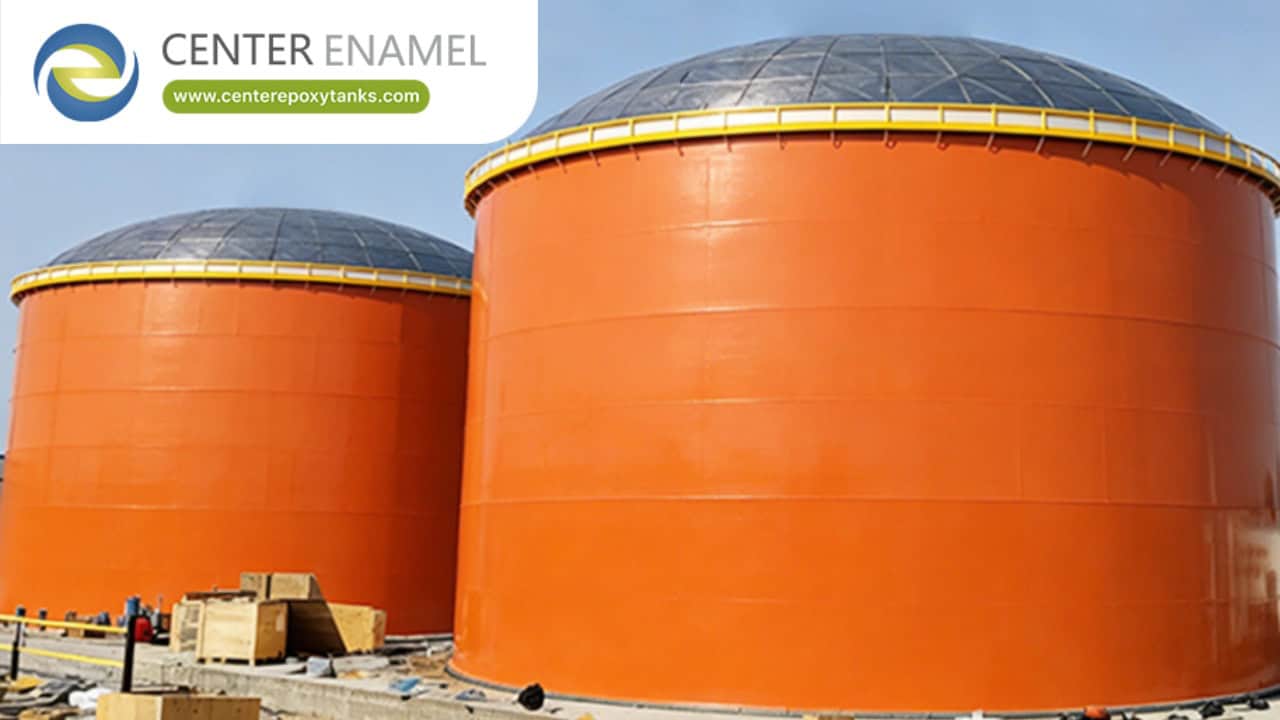
Above Ground Fuel Storage Tanks Manufacturer: Engineering Safety, Reliability, and Precision Containment
In modern industrial, commercial, and municipal operations, maintaining a secure, reliable supply of liquid fuel is mission-critical. Whether powering emergency generators at data centers, fueling municipal transit fleets, or storing refined hydrocarbons at midstream terminals, the integrity of your fuel storage infrastructure directly impacts operational continuity and environmental safety.
Partnering with an experienced, certified above ground fuel storage tanks manufacturer ensures that your facility receives robust, custom-engineered containment vessels designed to withstand harsh operating environments while strictly complying with global fire, safety, and environmental protection codes.
Core Engineering & Manufacturing Excellence
Top-tier manufacturers do not just bend steel; they engineer complete, risk-mitigated containment solutions. Designing and fabricating above ground storage tanks (ASTs) for flammable and combustible liquids involves several stringent protocols:
Certified Code Compliance (UL 142 & API 650): Quality manufacturers fabricate tanks in strict compliance with recognized standards. UL 142 governs shop-fabricated steel tanks for flammable and combustible liquids, ensuring structural robustness and built-in emergency venting. For larger bulk storage applications, API 650 governs welded vertical tanks designed for petroleum and chemical storage.
Advanced Double-Wall & Interstitial Monitoring: Environmental safety is paramount. Double-wall tank configurations feature a full 360-degree secondary outer shell wrapped around the primary tank, complete with interstitial monitoring spaces to detect any potential leaks instantly before soil or groundwater contamination occurs.
Rigorous Quality Control and Testing: Every vessel undergoes comprehensive non-destructive testing (NDT), hydrostatic pressure testing, and high-voltage holiday testing on protective internal/external coatings to guarantee zero defects prior to factory shipment or site erection.
Specialized Fuel Compatibility: Modern ASTs are engineered to safely handle diverse and aggressive fluid chemistries, including diesel, gasoline, aviation fuel (Jet-A/Avgas), fuel oil, ethanol blends, and biodiesel additives.
Data Table: Comprehensive Comparison of Above Ground Fuel Tank Types
Technical Parameter | UL 142 Horizontal Double-Wall Tanks | API 650 Vertical Welded Storage Tanks | Rectangular Generator Base Tanks |
Primary Application | Commercial fleet fueling, backup generator supply, and chemical plants | Large-scale bulk petroleum storage terminals and refinery reserves | Direct sub-base mounting for emergency backup diesel generators |
Design Standards | UL 142, NFPA 30, ULC-S601 | API 650, API 12F, ASME standards | UL 142, NFPA 110 generator integration codes |
Containment Features | 360° secondary containment jacket with continuous interstitial monitoring | Open or closed-top welded shells; often paired with external earthen dikes | Low-profile rectangular design with integrated spill containment basins |
Capacity & Scalability | Typically 300 to 50,000 gallons (shop-fabricated) | High-capacity bulk storage scaling from tens of thousands to millions of gallons | Compact volumes tailored to daily generator fuel burn rates |
Frequently Asked Questions (FAQ)
Q: What are the primary advantages of above ground fuel storage tanks over underground tanks?
A: Above ground storage tanks (ASTs) are significantly easier to inspect, maintain, and monitor for leaks compared to underground tanks. They eliminate costly underground excavation risks, simplify regulatory compliance audits, and allow for faster, more visible remediation if maintenance is required.
Q: What is the difference between UL 142 and API 650 fuel tanks?
A: UL 142 is the standard for shop-fabricated steel aboveground tanks intended for storing flammable and combustible liquids in moderate capacities (typically up to 50,000 gallons). API 650 governs larger, field-erected or heavy-duty vertical cylindrical welded tanks commonly utilized at bulk fuel terminals, refineries, and major industrial facilities.
Q: How do double-wall above ground fuel tanks prevent environmental spills?
A: Double-wall tanks feature a primary inner containment vessel surrounded by a secondary outer steel shell. If the primary wall experiences a compromise, the secondary shell traps the fuel entirely, while built-in interstitial monitoring ports trigger an immediate alert.
Q: Can above ground fuel tanks be customized for specific footprint constraints or severe climates?
A: Yes. A professional manufacturer can customize tank dimensions, orientation (horizontal, vertical, or low-profile rectangular), insulation packages, seismic wind-load engineering, and specialized internal linings to match your exact site layout and environmental conditions.


