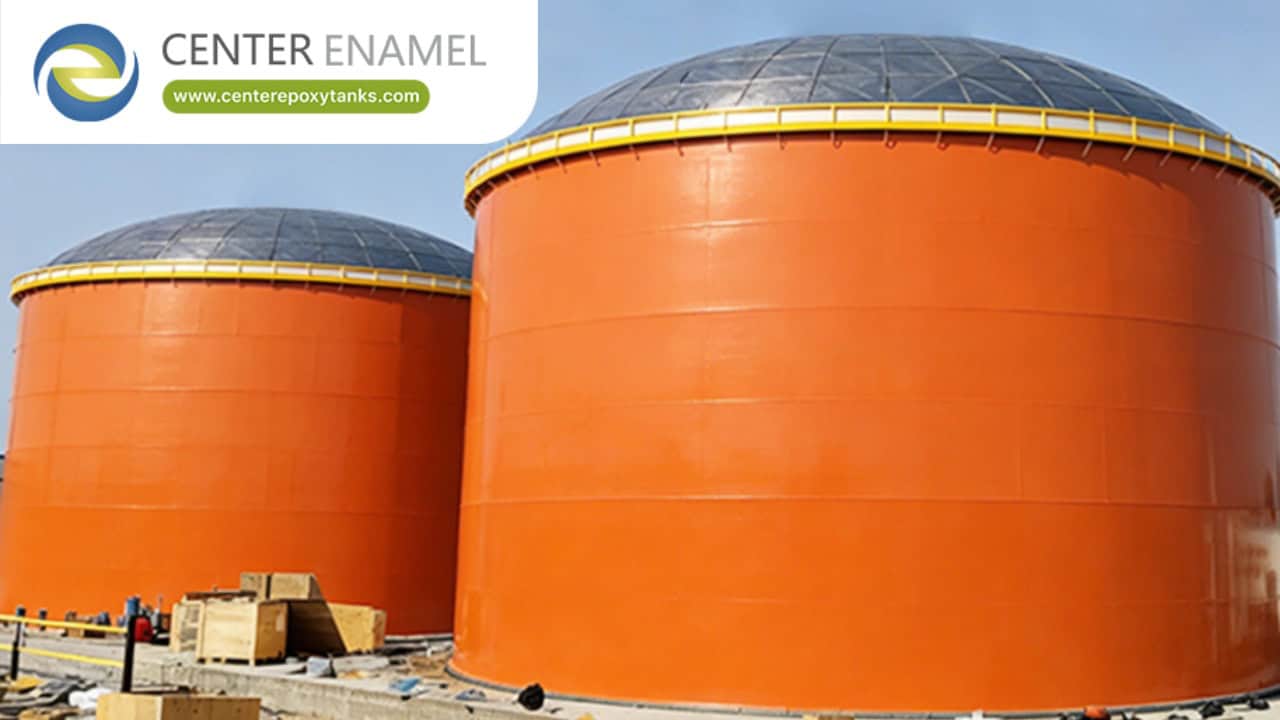
Above-Ground Cylindrical Fuel Storage Tanks Manufacturer: Engineering Safety, Precision, and Compliance in Petroleum Containment
In the global energy, petrochemical, and commercial transportation sectors, the secure handling and containment of liquid hydrocarbons—ranging from diesel and gasoline to crude oil and aviation turbine fuel—serve as vital operational lifelines. Above-ground storage tanks (ASTs) represent the core infrastructure of fuel distribution terminals, power generation plants, and industrial backup power systems.
When facility managers and engineering procurement construction (EPC) firms source fuel containment systems, partnering with an experienced above-ground cylindrical fuel storage tanks manufacturer is critical. Cylindrical vertical and horizontal geometries maximize structural integrity, evenly distribute hydrostatic pressure, and ensure reliable multi-decade performance under rigorous environmental conditions.
Engineering Standards and Governing Codes
Safety and structural compliance are non-negotiable in fuel storage manufacturing. Top-tier manufacturers fabricate cylindrical fuel tanks in strict accordance with recognized international design standards:
API 650 Standard: Governs the design, fabrication, welding, inspection, and erection of welded, flat-bottomed vertical cylindrical tanks for near-atmospheric liquid storage. It accounts for specific gravity, wind loads, seismic activity, and hydrostatic stress.
UL 142 Standard: Specifies safety requirements for shop-fabricated steel aboveground tanks for flammable and combustible liquids, governing both horizontal and vertical cylindrical secondary containment layouts.
NFPA 30 Guidelines: Ensures proper venting, emergency relief sizing, and safe separation distances for fire protection and risk mitigation.
Technical Performance Matrix: Fuel Storage Configurations
Technical Parameter | Vertical Cylindrical Welded Tanks (API 650) | Horizontal Cylindrical Tanks (UL 142) | Cast-in-Place Concrete Fuel Basins |
Capacity Range & Scalability | High-capacity bulk storage ranging from hundreds to millions of gallons | Moderate shop-built capacity suited for localized fuel dispensing and emergency generators | Large custom footprints; permanent and unmovable once poured |
Hydrostatic Stress Distribution | Evenly distributed radial wall loads with thicker plates on lower shell courses | Uniform longitudinal shell stress supported on saddles or structural skids | Complex civil loading; highly sensitive to ground settling and micro-cracking |
Secondary Containment Integration | Options for double-bottom designs or surrounding engineered dikes | Built-in double-wall (interstitial annular space) configurations with leak monitoring | Requires secondary membrane liners or external concrete containment walls |
Installation Velocity | Field-erected from precision pre-formed plates or modular panels | Factory-assembled, pre-tested shop units ready for rapid drop-in installation | Slow civil construction, extensive formwork, and multi-week curing |
Advanced Corrosion Protection and Fuel Preservation
Fuel purity and structural longevity depend heavily on specialized metallurgy and protective coatings. Stored fuels can degrade when interacting with unprotected carbon steel or moisture condensation:
Internal Linings: Multi-component epoxy and phenolic coatings are applied to interior surfaces under strict environmental controls to resist aromatic hydrocarbons, sulfur, and additive blends without shedding particulate contaminants.
External Marine-Grade Systems: Exterior shell plates receive high-performance primers and polyurethane finish coats compliant with ISO 12944 to withstand severe UV exposure, coastal salt spray, and industrial weathering.
Rigorous Non-Destructive Testing (NDT): All structural weld seams undergo exhaustive quality verification, including ultrasonic testing (UT), radiographic testing (RT), and vacuum box leak testing before final commissioning.
Frequently Asked Questions (FAQ)
Q: What manufacturing standards govern above-ground cylindrical fuel storage tanks?
A: Above-ground cylindrical fuel tanks are primarily manufactured according to API 650 for large field-erected vertical tanks and UL 142 for shop-fabricated horizontal or vertical containment vessels, ensuring full structural safety and regulatory compliance.
Q: When should a facility choose a vertical cylindrical tank versus a horizontal cylindrical tank?
A: Vertical cylindrical tanks are ideal for high-volume bulk fuel terminals and refineries requiring massive storage capacities within a compact footprint. Horizontal cylindrical tanks are typically selected for smaller, shop-fabricated applications, such as backup generator fuel supply or localized fleet refueling.
Q: How do manufacturers prevent internal corrosion in carbon steel fuel tanks?
A: Manufacturers apply specialized, chemically inert internal epoxy or phenolic linings that isolate the fuel from the carbon steel substrate, preventing rust flaking, bacterial growth, and fuel contamination.
Q: What safety features are integrated into modern above-ground fuel tanks?
A: Modern tanks feature normal and emergency pressure relief vents, overfill prevention valves, level monitoring gauges, earthing/grounding connections, and optional double-wall interstitial leak detection systems.


