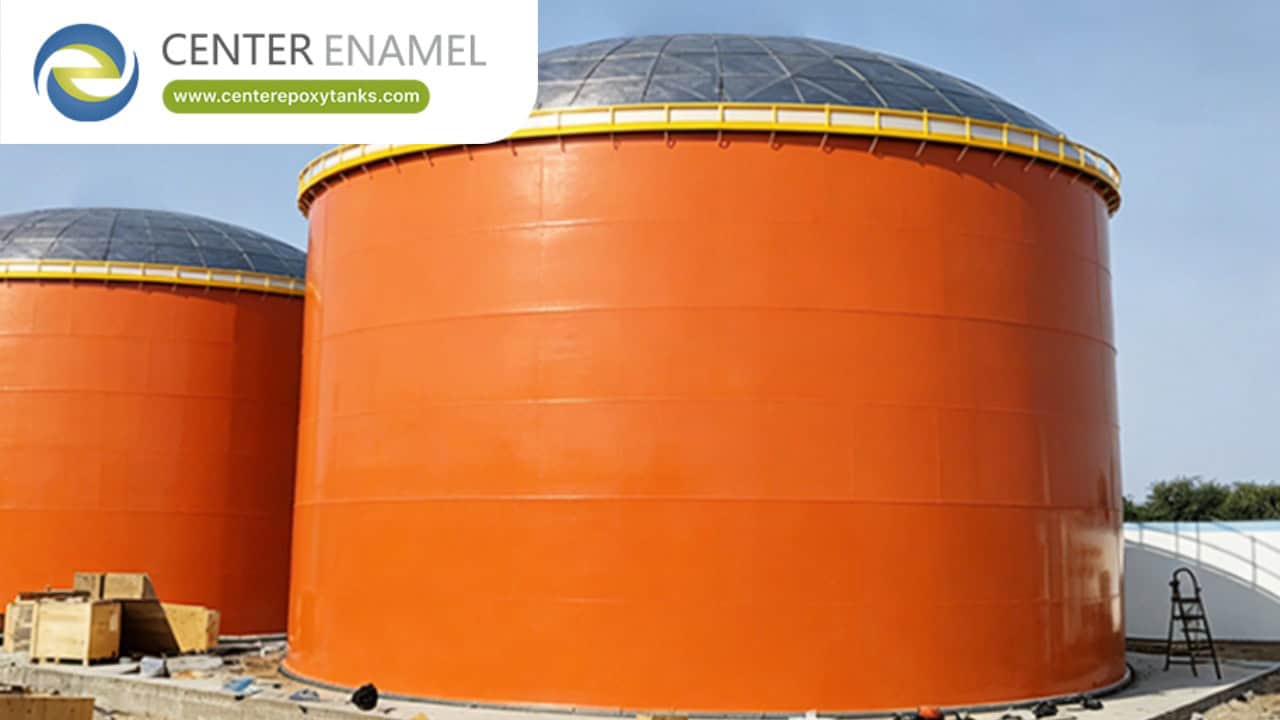
What Is a Process Tank?
A process tank is a vessel in which something happens to its contents — mixing, reacting, heating, cooling, settling, or treating — as opposed to a storage tank that merely holds product. Process tanks integrate agitation, heat transfer surfaces, instrumentation, and code design (ASME where pressurized) around the process duty they perform.The storage-versus-process distinction defines the engineering. Storage tanks are optimized for volume and integrity; process tanks are optimized for transformation — their geometry follows the mixing regime, their jackets and coils follow the heat duty, their nozzles follow the instrumentation, and their materials follow the chemistry at the actual process temperature.
Process tanks appear at every scale of industry: dosing and mixing vessels in water treatment, CIP and batching tanks in food plants, reactor and crystallizer vessels in chemicals, slurry conditioning tanks in mining. Design pressure/vacuum, agitation power, heat transfer rates, and cleanability requirements are not accessories — they are the tank.
Why Process Tanks Are Engineered, Not Ordered
A process tank that under-mixes, over-heats locally, or cannot be cleaned properly does not merely store badly — it makes bad product continuously, at production throughput.
l Improper baffle and impeller design leaves dead zones and unmixed product.
l Undersized heat transfer surfaces bottleneck entire production lines.
l Wrong surface finish or material contaminates product or corrodes through.
Process Tank Design Sequence
A process vessel is engineered through its duty:
1. Process Duty Definition: Mixing regime, reaction kinetics, heat load, residence time, and cleanability requirements define the vessel's engineering targets.
2. Mechanical Design: Geometry, agitation system, jacket or coil heat transfer, and nozzle layout are engineered — to ASME Section VIII where pressure or vacuum applies.
3. Material and Finish Selection: Alloy or coated construction matched to process chemistry, with sanitary finishes where product demands them.
4. Integration and Commissioning: Instrumentation, controls, and utilities tie the vessel into the process, verified during water trials and first production.
Process Tank vs Storage Tank
Aspect | Process Tank | Storage Tank |
Primary Function | Transform contents — mix, react, heat, treat | Hold contents safely |
Design Drivers | Process kinetics, agitation, heat transfer | Volume, hydrostatics, product compatibility |
Code Basis | Often ASME VIII if pressure/vacuum | API 650/620, AWWA, or atmospheric codes |
Complexity Concentration | Internals, jackets, agitators, instrumentation | Shell, roof, foundation, fittings |
Process Tank Applications
l Water and wastewater treatment mixing and dosing tanks
l Food, beverage, and brewing batching and CIP vessels
l Chemical reactors, crystallizers, and neutralization tanks
l Pharmaceutical process vessels with sanitary finishes
l Mining slurry conditioning and leach tanks
l Biogas and fermentation process vessels
Key Advantages of Duty-Engineered Process Tanks
1. Process Performance Built Into the Steel
Agitation, heat transfer, and geometry engineered for the actual duty deliver product quality at throughput — the tank becomes process equipment, not a container near the process.
2. Code Compliance for Pressurized Duty
ASME design where pressure or vacuum applies brings the same auditability to process vessels that API 650 brings to storage.
3. Cleanability and Materials Matched to Product
Sanitary finishes, drainable geometry, and chemistry-matched materials keep the vessel compatible with what it makes — and with the regulators who inspect it.
Quality Standards and Proven References
Center Enamel provides design, fabrication, construction, and aftermarket services for storage tanks and silos under ISO 9001 and ISO 45001 certified quality systems, with EN 1090 structural steel certification. With three decades of experience and projects delivered to more than 100 countries — including biogas and wastewater references for Paques and Veolia and industrial references for PetroChina and Sinopec — the company supports tank assets from commissioning through decades of inspection-driven service.
Frequently Asked Questions (FAQ)
Q: What makes a tank a process tank rather than storage?
A: Function: if the vessel mixes, heats, reacts, or otherwise transforms its contents, it is a process tank; pure holding duty — however large — is storage.
Q: Do process tanks need ASME certification?
A: When they operate above 15 psig or under vacuum conditions that exceed atmospheric code limits, yes — they become ASME Section VIII vessels with stamp documentation.
Q: Can one process tank handle multiple duties?
A: Multi-duty vessels are common with engineered agitation and heat transfer ranges, provided chemistry and cleanability requirements are compatible across the products sharing the tank.
Q: What is the expected lifespan of a professionally engineered steel tank?
A: Steel tanks designed and built to recognized codes (API 650, API 620, AWWA D100, or ASME Section VIII) and maintained under scheduled inspection, coating, and repair programs routinely deliver service lives exceeding 30 years — and tanks managed under API 653-class integrity programs commonly remain in safe service for 50 years or more.


