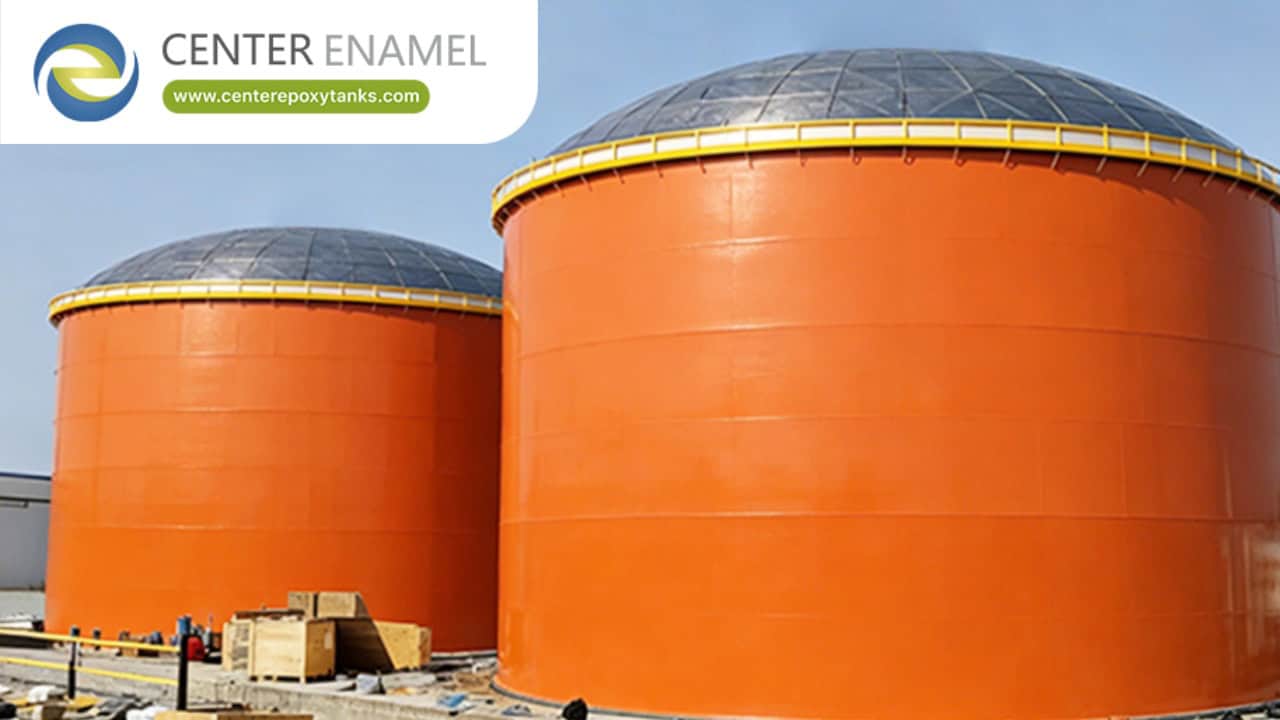
Why Aluminum Dome Roofs are the "Best Partner" for Crude Oil Storage
In the oil and gas industry, it is a common point of confusion to refer to the Aluminum Geodesic Dome as a "floating roof." To clarify: an Aluminum Dome is a fixed, clear-span structural roof.
However, it is the most critical partner to an Internal Floating Roof (IFR). Modern crude oil storage facilities do not choose between these two—they use them together to create a "double-protection" system. Here is why the industry has shifted toward using aluminum domes to cover crude oil storage tanks.
The "Fixed-Floating" System: Why the Combination Wins
While an Internal Floating Roof (IFR) is the primary tool for reducing vapor loss by sitting directly on the liquid, the Aluminum Dome Roof acts as the protective "outer skin" of the tank.
1. Superior Weather and Contamination Protection
A floating roof is vulnerable to rain, snow, and wind. If rainwater pools on a floating roof, it can cause the roof to sink or tilt (rim seal failure). An aluminum dome roof creates a weather-tight barrier, shielding the internal floating roof from rain, snow, and debris, ensuring the floating mechanism operates as intended.
2. Drastic Reduction in VOC Emissions
By creating a controlled headspace, the aluminum dome prevents wind from "scrubbing" vapors from the rim seals of the internal floating roof. This combination—a dome roof plus an IFR—is widely considered the most effective way to meet strict environmental regulations regarding Volatile Organic Compound (VOC) emissions.
3. Corrosion Resistance (The "Roof Rot" Solution)
Crude oil often releases sulfur-rich gases that rapidly corrode standard carbon steel roofs. Steel roofs require frequent sandblasting and protective coatings. Aluminum is naturally resistant to these vapors, meaning a dome roof lasts for decades with virtually zero structural maintenance.
Comparative Analysis: Aluminum Dome vs. Traditional Steel Roof
Engineering Metric | Aluminum Geodesic Dome | Traditional Steel Cone Roof |
Maintenance | Low (No painting required) | High (Requires recoating) |
Corrosion | Excellent (Inherent oxide layer) | High (Prone to "roof-rot") |
Weight | Lightweight (Less shell stress) | Heavy (Requires support columns) |
Internal Supports | None (Clear-span) | Often requires columns/trusses |
Emission Control | Excellent (When paired with IFR) | Poor (if not properly sealed) |
Critical Engineering Advantages
Clear-Span Geometry
Unlike traditional steel roofs that require internal support columns, the aluminum dome is a clear-span structure. This is crucial for crude oil tanks because internal columns would interfere with the movement of the floating roof. A clear-span dome allows the floating roof to rise and fall without any mechanical obstructions.
Rapid Retrofitting
Many facilities with aging, corroded steel roofs choose to replace them with aluminum domes while the tank is in service. Because the dome is lightweight and bolted, it can be assembled on the ground and lifted onto the tank shell in a fraction of the time it takes to build a steel roof, minimizing operational downtime.
Frequently Asked Questions (FAQ)
1. If I use an aluminum dome, do I still need a floating roof?
Yes. The aluminum dome is a fixed roof; it does not float on the liquid. To minimize vapor emissions (VOCs) and prevent the formation of a flammable gas-air mixture, an internal floating roof (IFR) is still required to provide the direct liquid-contact seal.
2. Can an aluminum dome be installed on a tank that already has an internal floating roof?
Absolutely. In fact, this is one of the most common upgrades for existing tank farms. Replacing a rotting steel roof with an aluminum dome extends the life of the entire tank system and improves the operating conditions for the internal floating roof.
3. How does the dome handle the internal pressure of crude oil tanks?
Aluminum domes are typically designed as "free-vented" roofs, meaning they maintain atmospheric pressure. However, they can be engineered to handle specific nitrogen blanketing or slight pressure requirements depending on the product’s volatility and the facility's safety design.
4. Is the aluminum dome roof fire-resistant?
Yes. Aluminum is non-combustible. Because the dome prevents the ingress of external ignition sources (like lightning or embers) and is used in conjunction with internal rim seals, it significantly improves the overall fire safety profile of the tank.


