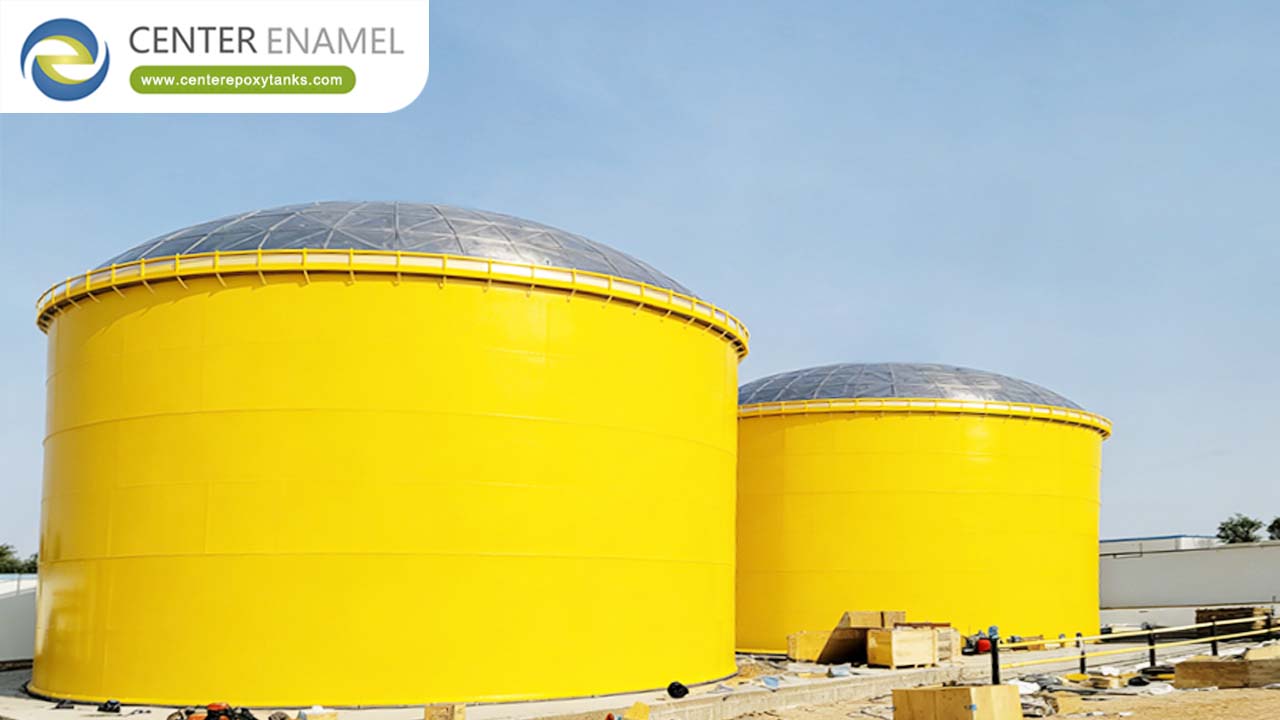
What Is Water Tank Painting / Coatings & Linings?
Water tank painting and coatings is the protective system applied to steel water storage: NSF/ANSI 61 certified epoxy linings inside for potable contact, and exterior coating systems for weathering and appearance. Applied after abrasive blasting with holiday testing, these systems protect water quality and deliver 15 to 25-year recoating cycles.
Coating is the water tank's immune system. Inside, a certified epoxy lining isolates steel from drinking water — stopping corrosion products from entering the supply and water from attacking the shell. Outside, a high-performance finish system battles UV, condensation, and salt spray while presenting the public face of the utility. Between them, they are the difference between a 50-year asset and a rusting liability.
The craft is in the execution: abrasive blasting to near-white cleanliness, containment of spent abrasive around occupied sites, application within strict temperature and humidity windows, stripe coating of edges and welds, dry-film-thickness verification, and holiday (pinhole) detection on the lining. Interior work closes with AWWA C652 disinfection and bacteriological clearance before the tank returns to service.
Why Tank Coating Is a Specialty Trade
A tank interior is a confined space, a potable-water surface, and a coating substrate all at once. Contractors who treat it as ordinary painting fail on all three counts simultaneously.
l Contaminated application conditions permanently compromise potable linings.
l Edge and weld stripe-coating shortcuts create the failure points found at next inspection.
l Confined-space and fall-protection failures dominate tank painting fatality statistics.
The Tank Coating Process
A professional coating project runs a controlled sequence:
1. Assessment and Specification: Existing coatings are tested for lead and condition, and a project specification fixes systems, blast profiles, thicknesses, and testing requirements.
2. Surface Preparation: Abrasive blasting to SSPC-SP 10 near-white metal with full containment produces the anchor profile the coating system requires.
3. Application in Controlled Conditions: Primer, intermediate, and topcoat (or the interior lining system) are applied within climate windows with stripe coats at all edges and welds.
4. Testing, Disinfection, and Return to Service: Film thickness and holiday testing verify the system; interior work closes with AWWA C652 disinfection and bacteriological clearance.
Interior Lining vs Exterior Coating Systems
System Aspect | Interior Potable Linings | Exterior Coating Systems |
Certification Requirement | NSF/ANSI 61 for potable water contact | Performance standards for weathering and gloss |
Primary Duty | Corrosion protection with zero water contamination | UV, moisture, and atmospheric protection |
Inspection Method | Holiday (pinhole) testing at system voltage | Visual, adhesion, and thickness testing |
Expected Recoat Cycle | 15 to 25 years typical | 10 to 20 years by exposure environment |
Coating and Lining Applications
l Potable water reservoir and standpipe interior linings
l Elevated tower interior and exterior repainting
l Fire protection tank linings and exterior systems
l Wastewater and process tank coating programs
l Lead paint abatement and containment projects
l Logo and aesthetic finish applications on towers
Key Advantages of Professional Coating Programs
1. Water Quality Guaranteed by Certification
NSF/ANSI 61 certified linings, applied and tested correctly, keep drinking water free of coating-derived contamination for decades.
2. Asset Life Multiplied by Recoat Cycles
Steel protected by successive professional coating cycles routinely reaches 50+ years — painting on schedule is the cheapest life extension in infrastructure.
3. Full Containment, Zero Community Impact
Containment, monitoring, and lead-safe practices keep spent abrasive and coatings out of the surrounding neighborhood and waterway.
Quality Standards and Proven References
Center Enamel designs water storage tanks to AWWA D100 (welded) and AWWA D103 (bolted) with NSF/ANSI 61 certified coating systems, manufactured under ISO 9001 and ISO 45001 certified quality systems. Water storage projects delivered to more than 100 countries include references for global companies such as Coca-Cola, Heineken, AB InBev, and the Brazilian water utility Sabesp.
Frequently Asked Questions (FAQ)
Q: What coating is safe for drinking water tanks?
A: Interior linings must be epoxy systems certified to NSF/ANSI 61 for potable water contact, applied by contractors familiar with surface preparation and disinfection requirements.
Q: How long does a tank coating last?
A: Quality interior linings typically serve 15 to 25 years; exterior systems 10 to 20 years depending on exposure — with annual checks catching early failure.
Q: Does repainting require draining the tank?
A: Interior work requires the tank out of service, cleaned, and disinfected on return; exterior work can often proceed with the tank in service under proper containment.
Q: What is the expected lifespan of a professionally engineered steel tank?
A: Steel tanks designed and built to recognized codes (API 650, API 620, AWWA D100, or ASME Section VIII) and maintained under scheduled inspection, coating, and repair programs routinely deliver service lives exceeding 30 years — and tanks managed under API 653-class integrity programs commonly remain in safe service for 50 years or more.


