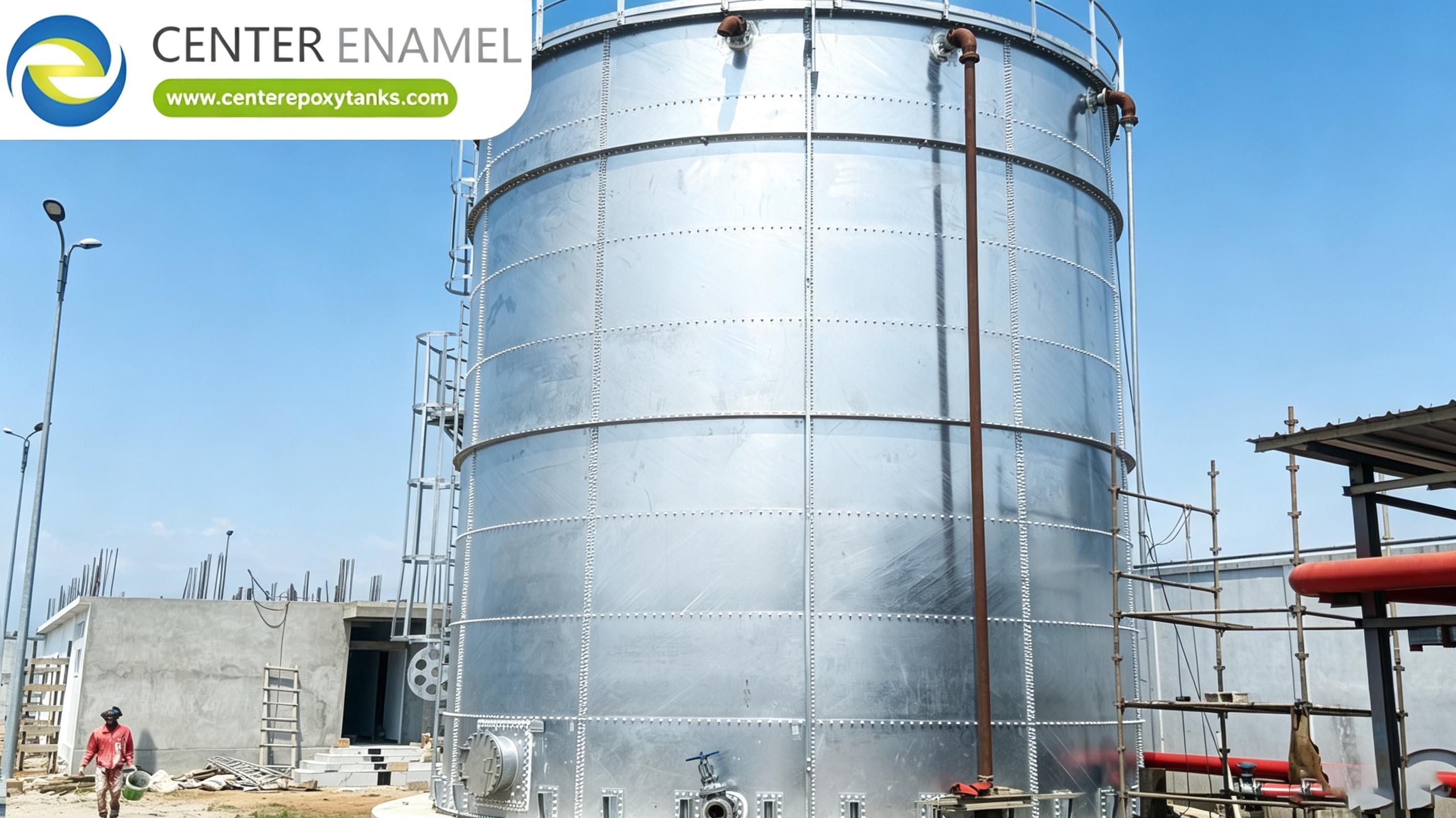
What Is a Galvanized Steel Grain Storage Tank? Engineering, Design, and Agricultural Benefits
In modern agriculture and commercial grain handling, post-harvest storage security is just as critical as crop cultivation. Protecting harvested commodities—such as corn, wheat, soybeans, and rice—from moisture, mold, insects, and temperature fluctuations requires heavy-duty containment infrastructure. The undisputed global standard for bulk crop holding is the galvanized steel grain storage tank (commonly referred to as a grain bin or grain silo).
Engineered from high-tensile steel sheets coated with a protective layer of zinc, these vertical cylindrical structures combine exceptional structural load capacity with long-term atmospheric corrosion resistance. They provide safe, scalable containment for both small family farms and massive commercial grain terminals.
Core Engineering Principles and Metallurgical Protection
The longevity and structural resilience of galvanized steel grain bins rely on sophisticated manufacturing processes and structural physics:
Hot-Dip Galvanizing & Zinc Shielding: Steel body sheets are coated with a continuous layer of zinc (typically G-90 or heavier grades) via hot-dip galvanizing. This zinc coating acts as an impenetrable physical barrier against rain and humidity while providing sacrificial cathodic protection—meaning if the surface is scratched, the surrounding zinc corrodes preferentially to protect the underlying base iron.
Corrugated Panel Architecture: Sidewall sheets are precision-roll-formed with deep corrugations (such as 2.66-inch or 4-inch profiles). This geometric profiling increases vertical load-bearing strength, allowing the bin to withstand massive outward hydrostatic pressures exerted by millions of pounds of stored grain.
Advanced Aeration and Moisture Control: Because grain is a living commodity that generates internal heat and breathes, galvanized storage tanks incorporate integrated aeration floors, inline centrifugal fans, and roof exhaust vents. This forced-air infrastructure prevents hot spots, reduces moisture migration, and eliminates spoilage.
Primary Structural Configurations: Flat Bottom vs. Hopper Bottom
Grain storage tanks are generally classified into two primary structural designs based on unloading needs and capacity:
Flat-Bottom Grain Bins: Designed for long-term commercial storage, these high-capacity bins rest directly on concrete foundation pads. They utilize in-floor sweep augers and aeration channels to manage large volumes of grain cost-effectively over extended periods.
Hopper-Bottom Grain Bins: Featuring a coned steel bottom elevated on heavy-duty galvanized structural legs, hopper bins provide gravity-flow, self-cleaning discharge. They are ideal for daily feed handling, temporary wet grain buffering before drying, or fast-turnaround farm operations.
Data Table: Comprehensive Comparison of Galvanized Grain Storage Systems
Technical Parameter | Flat-Bottom Commercial Bins | Hopper-Bottom Farm Bins | Stiffened Commercial Silos |
Capacity Range | Massive bulk scale (50,000 to 800,000+ bushels) | Moderate farm scale (1,000 to 10,000 bushels) | High-volume commercial scale with vertical stiffener columns |
Unloading Mechanism | Sweep augers, power sweeps, and in-floor recovery sumps | Gravity discharge via a sloped conical bottom (45° or 60°) | Combined gravity flow and high-capacity mechanical reclaim |
Foundation Requirements | Heavy reinforced concrete ringwall or slab foundation | Engineered concrete piers or ring foundation supporting steel legs | Deep concrete foundation with built-in aeration tunnels |
Expected Operational Life | 30 to 45+ years with proper maintenance | 25 to 35 years | 35 to 50+ years under heavy industrial cycles |
Frequently Asked Questions (FAQ)
Q: What is a galvanized steel grain storage tank?
A: It is a vertical, corrugated steel cylindrical structure treated with a protective zinc coating, engineered specifically to store, condition, and protect bulk harvested grains from environmental damage and pests.
Q: How does galvanization protect grain bins from rusting?
A: The hot-dip zinc coating creates a metallurgical barrier against moisture and delivers sacrificial protection, preventing the underlying carbon steel from oxidizing when exposed to rain, snow, and humid agricultural air.
Q: What is the difference between flat-bottom and hopper-bottom grain bins?
A: Flat-bottom bins sit directly on concrete foundations for long-term, high-capacity bulk storage using sweep augers. Hopper bins feature a sloped conical bottom raised on steel legs, allowing fast, gravity-fed unloading.
Q: Why is aeration important in galvanized grain storage tanks?
A: Aeration systems push or pull ambient air through the stored grain mass to regulate temperature and moisture levels, preventing condensation, mold growth, insect infestation, and spoilage.


