What Is a Flaxseed Oil (Linseed Oil) Storage Tank? Industrial Design, Features, and Preservation Standards
A flaxseed oil storage tank (also widely referred to as an industrial linseed oil vessel) is a specialized, high-integrity industrial container engineered to securely hold, manage, and preserve bulk quantities of oil extracted from flax seeds (Linum usitatissimum).
While food-grade flaxseed oil is prized for its exceptionally high concentration of polyunsaturated omega-3 fatty acids (alpha-linolenic acid or ALA), industrial linseed oil is utilized globally as a reactive drying oil in paints, varnishes, and wood finishes. Because flaxseed and linseed oils possess an extremely high degree of unsaturation, they are exceptionally reactive. They are prone to rapid oxidation and polymerization (curing/hardening when exposed to air). Consequently, an industrial storage tank acts as a strict, airtight preservation environment designed to halt chemical degradation and maintain product stability.
Core Functions of an Industrial Flaxseed/Linseed Oil Tank
To safeguard highly reactive drying oils from premature curing and chemical breakdown, storage tanks must fulfill four critical environmental controls:
Total Oxygen Exclusion: Because flaxseed and linseed oils readily absorb oxygen to cross-link and dry, exposure to air inside a tank will quickly ruin the oil or cause a skin to form on the surface. Industrial tanks use hermetic seals and continuous inert gas systems to isolate the liquid completely.
UV Light Defense: Sunlight accelerates photo-oxidation and degrades the organic structure of the oil. Solid stainless steel or coated steel fabrication creates a 100% opaque barrier protecting the product from damaging ultraviolet rays.
Contamination Defense: Edible flaxseed oil easily absorbs surrounding odors and chemical residues, requiring pristine food-grade interiors. Industrial linseed oil requires inert surfaces that prevent metal-catalyzed degradation.
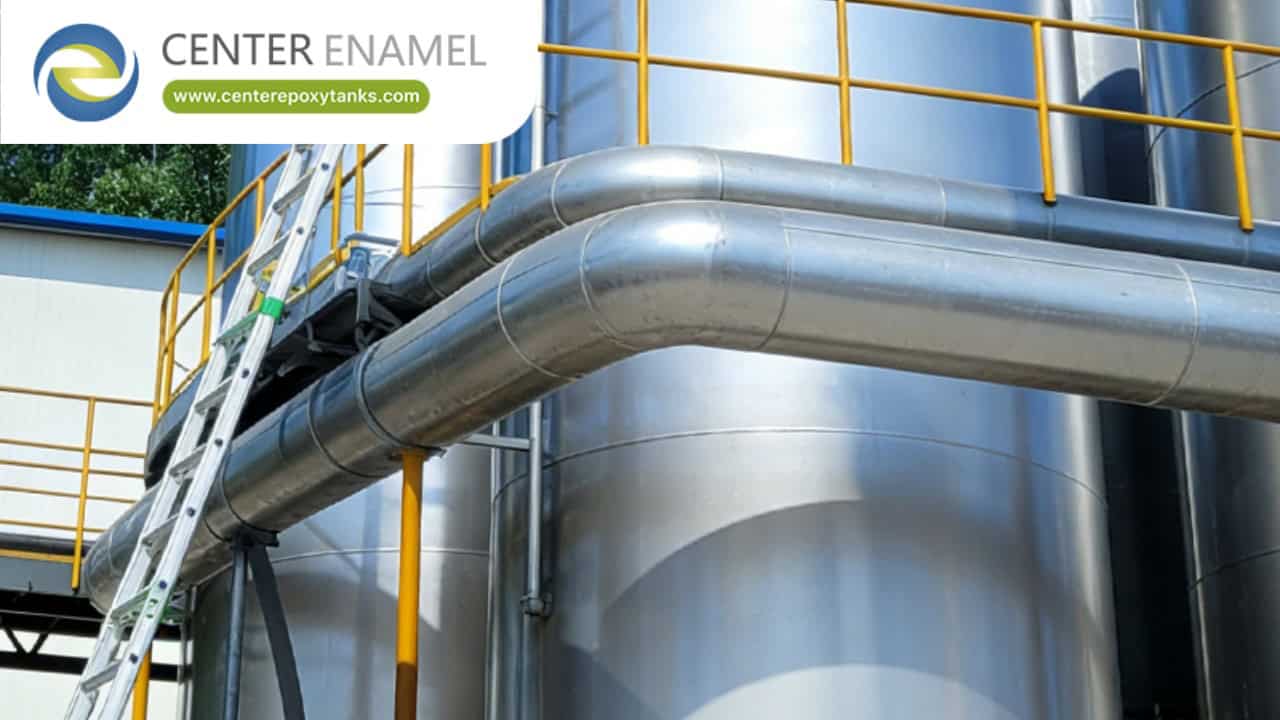
Thermal Stability: These oils must be shielded from extreme heat fluctuations, which accelerate oxidation rates. Advanced industrial tanks feature thermal insulation to stabilize internal temperatures during seasonal shifts.
Critical Engineering Features
Commercial-grade facilities processing omega-3 or drying oils require robust engineering features to ensure safety and structural longevity:
Sanitary Stainless Steel Construction: For food-grade flaxseed oil, tanks are fabricated exclusively from AISI 304 or 316L stainless steel with mirror-polished, seamless interiors to prevent bacterial growth and simplify Clean-In-Place (CIP) procedures. Industrial linseed oil can use stainless steel or specialized epoxy-lined carbon steel.
Nitrogen Blanketing Systems: Automated pressure-regulating valves inject food-grade nitrogen gas into the tank's headspace as oil is drawn out. This heavy, inert gas displaces ambient oxygen, halting the oxidation and polymerization process entirely.
Sealed Breather and Vent Assemblies: Fitted with high-efficiency particulate air (HEPA) filters and moisture traps to prevent ambient humidity and oxygen from entering the tank during thermal breathing cycles.
Clean-In-Place (CIP) Integration: Tanks feature permanently mounted rotary spray balls in the dome, allowing automated rinsing and sterilization to remove viscous oil residues before they cure and harden onto the walls.
Tank Configuration Comparison
Feature | Stainless Steel Tanks | Epoxy-Lined Carbon Steel Tanks |
Primary Application | Food-grade flaxseed oil, high-purity cosmetic oils, and fine chemical resins. | Massive bulk terminal storage for industrial linseed oil. |
Material Benefits | Non-porous, corrosion-resistant, requires no internal coatings; zero risk of flaking. | Economical for massive capacities; requires a certified protective epoxy lining to prevent rust. |
Maintenance & Longevity | Exceptional lifecycle with minimal maintenance required. | Requires periodic inspection of internal epoxy linings to prevent pitting and corrosion. |
Frequently Asked Questions (FAQ)
Q: Why is nitrogen blanketing mandatory for flaxseed and linseed oil storage?
A: Flaxseed and linseed oils contain up to 60% alpha-linolenic acid, making them highly reactive drying oils. When exposed to oxygen, they undergo rapid oxidation and begin to polymerize (cure). Nitrogen blanketing forces oxygen out of the tank's headspace, replacing it with an inert gas layer that prevents the oil from thickening or spoiling.
Q: Can linseed oil spontaneously combust in storage tanks?
A: Spontaneous combustion typically occurs when linseed oil is absorbed into porous materials like rags, paper, or insulation (where exothermic oxidation generates heat in a confined space). In a sealed, liquid-full or nitrogen-blanketed industrial storage tank, the lack of continuous oxygen ingress prevents this exothermic reaction, ensuring safe bulk containment.
Q: What material is best for storing food-grade flaxseed oil?
A: Food-grade flaxseed oil must be stored in AISI 304 or 316L stainless steel tanks. Stainless steel is completely non-reactive, non-porous, and blocks UV light entirely, ensuring the delicate omega-3 fatty acids retain their nutritional integrity and clean flavor profile.
Q: Do flaxseed oil storage tanks require active heating systems?
A: Under normal operating conditions, flaxseed and linseed oils remain liquid at ambient room temperatures and do not require active heating coils (unlike palm or coconut oil). However, heavy exterior insulation is frequently used on outdoor tanks to protect the product from extreme winter cold or intense summer heatwaves.


