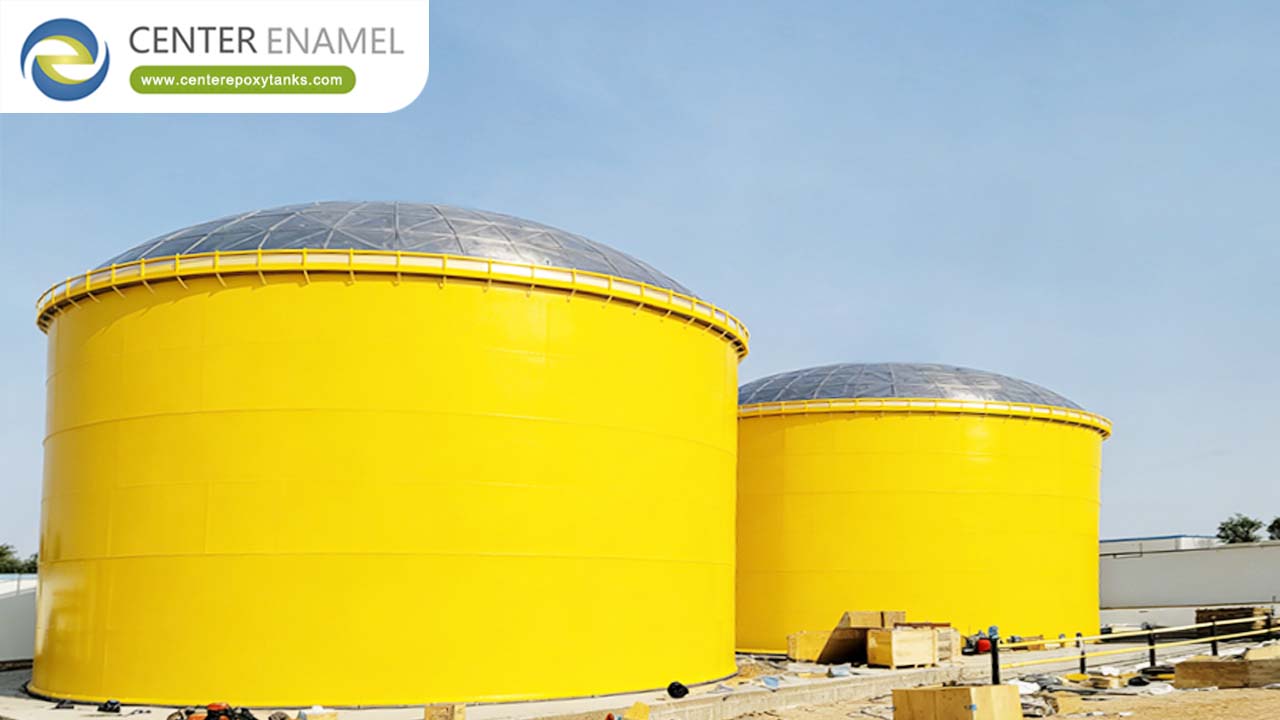
What Is a Double-Wall Fuel Storage Tank?
A double-wall fuel storage tank—often referred to as a self-bunded tank—is an industrial-grade storage vessel consisting of two distinct layers: an inner primary tank that holds the fuel and an outer containment tank (the secondary wall) that acts as a safety barrier.
Unlike single-wall tanks, which require external "bunding" or secondary concrete containment structures to comply with environmental regulations, double-wall tanks provide integrated, built-in protection. If the primary tank develops a leak, the secondary wall captures the contents, preventing soil and groundwater contamination. This design is widely considered the gold standard for industrial fuel storage, offering high reliability in fleet maintenance, agriculture, construction, and chemical processing.
The Comparison: Single-Wall vs. Double-Wall
Understanding the operational differences is critical for procurement and safety management.
Feature | Single-Wall Tank | Double-Wall (Self-Bunded) Tank |
Secondary Containment | Requires external bunding/concrete | Built-in (Integrated) |
Environmental Risk | Higher (requires extra infrastructure) | Lower (automatic containment) |
Installation | Complex (requires secondary site prep) | Simple (Plug-and-play) |
Regulatory Compliance | Often challenging to certify | Generally compliant by design |
Maintenance | Higher (requires regular site checks) | Lower (easy to monitor interstitial space) |
Core Benefits for Industrial Operations
1. Enhanced Environmental Compliance
Because the secondary wall serves as a built-in catchment system, these tanks often meet or exceed strict EPA and local environmental standards without needing additional, space-consuming infrastructure.
2. Long-Term Cost Efficiency
While the upfront investment for a double-wall tank is higher, the total cost of ownership is often lower. Businesses save significantly on the construction of secondary containment walls, site remediation insurance, and the administrative burden of regulatory compliance.
3. Leak Monitoring & Safety
Modern double-wall systems include an interstitial space between the inner and outer walls. This space is often equipped with leak detection sensors that provide real-time alerts if the primary tank is breached, allowing for proactive maintenance before a spill occurs.
4. Portability and Versatility
Many modern double-wall tanks feature "four-way forklift pockets" and compact profiles, making them highly mobile. This is ideal for construction sites or industries with changing operational needs, as the tank can be transported easily without the need to dismantle external containment structures.
Frequently Asked Questions (FAQ)
1. Do I need a secondary concrete berm if I use a double-wall tank?
In most cases, no. Because the outer wall of a double-wall tank acts as a built-in secondary containment barrier, it typically fulfills the regulatory requirement for containment on its own. Always verify with your local environmental agency, as specific regional fire or environmental codes may vary.
2. How do I check if the primary tank is leaking?
Double-wall tanks are designed for easy inspection. You can use a dipstick in the interstitial space (the gap between walls) to check for liquid accumulation, or utilize electronic leak detection sensors that trigger an alarm if fluid is detected in the secondary containment area.
3. How long does a double-wall fuel tank last?
With proper maintenance and routine inspections of the primary and secondary walls, modern double-wall steel tanks can easily exceed a lifespan of 30 to 50 years. Their heavy-duty construction is designed to withstand extreme outdoor conditions, including UV exposure and soil-related corrosion if installed underground.
4. Are double-wall tanks only for diesel?
No. While they are most commonly used for diesel and petroleum, double-wall tanks are also used for storing chemicals, oils, and other hazardous liquids. However, you must ensure the tank material (e.g., steel vs. plastic/poly) and the inner lining are compatible with the specific chemical being stored.
5. Can double-wall tanks be used for underground storage (UST)?
Yes, but they must be specifically engineered and certified for underground use. Underground double-wall tanks require specialized corrosion protection (like cathodic protection or fiberglass coatings) to survive the high-moisture, high-pressure environment of the subsurface.


