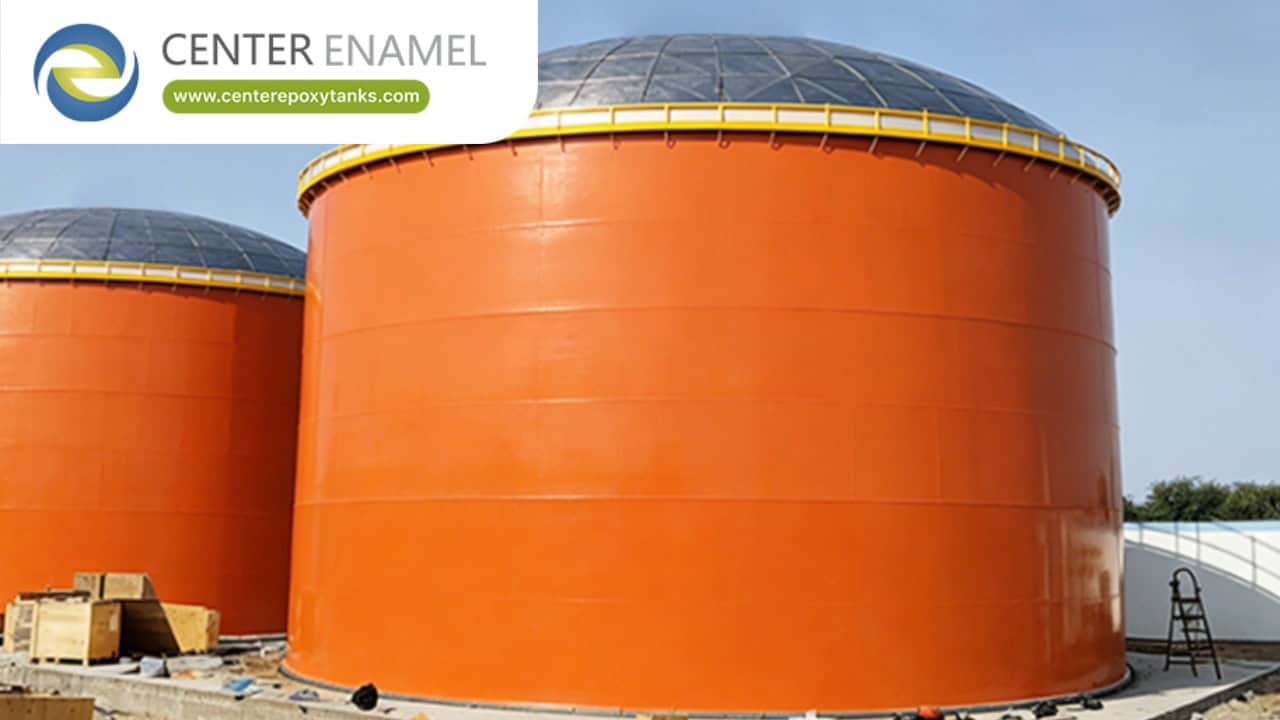
What Is a Data Center Thermal Energy Storage Tank: Cooling as a Stored Commodity
A what is a data center thermal energy storage tank is a vessel that stores thermal energy - usually as sensible heat in a large volume of chilled water, or as latent heat in a phase-change medium - so cooling can be produced at one time and used later. In data-center cooling systems it decouples heat generation from heat demand. This article defines what a TES tank is and where it fits.
A what is a data center thermal energy storage tank is a thermal buffer that stores cooling (or heat) for later use, most often as a large stratified chilled-water reservoir. It lets a plant charge energy when cheap or abundant and discharge it when demand peaks, cutting both operating cost and equipment strain. The tank itself is an engineered, insulated, code-built vessel - not a battery, but a thermal one.
What a TES Tank Actually Stores
The dominant form is a chilled-water tank holding sensible heat: raise or lower the water temperature by a few kelvin across thousands of cubic metres and you store megawatt-hours of cooling. Ice and phase-change tanks instead store latent heat at near-constant temperature.
In practice the tank is a thermal flywheel. It smooths the mismatch between when cooling is made (by chillers or free cooling) and when it is needed (by a data hall or process load).
Where It Sits in the System
A TES tank is piped in parallel with, or ahead of, the cooling plant. During charging the plant over-produces and fills the tank; during discharge the tank supplies the load and the plant ramps down or shuts off.
In data-center cooling duty the tank is paired with chillers, cooling towers, and the distribution loop, and is controlled by the building or campus energy-management system.
Why It Matters
Storing energy as temperature is far cheaper per kWh than storing electricity in batteries for multi-hour cooling shifts. It also protects compressors from cycling and supports resilience.
For owners it is one of the highest-return thermal interventions available, especially where tariffs, carbon, or grid limits penalise peak cooling.
Technical Specifications
Parameter | Specification |
Tank type | Atmospheric, stratified, or ASME-coded (duty dependent) |
Shell material | bolted glass-fused-to-steel (GFS) |
Capacity range | 20-60,000 m3 (bolted GFS, water/liquid duty) |
Stored medium | Chilled water (sensible) or phase-change medium (latent) |
Design temperature | -10 to 50 C (site / water dependent) |
Corrosion protection | Glass enamel, FBE, stainless, or galvanizing |
Insulation | Optional PU / mineral wool for chilled duty |
Codes / standards | AWWA D103, ISO 28765, EN 1090, ASME VIII |
Erection | Bolted modular panels, short site schedule |
QA | ISO 9001, NSF/ANSI 61, WRAS where applicable |
Foundation | Ring wall or slab per geotech report |
Verified Tank Engineering Reference
Center Enamel's verified record includes a 2022 Drinking water project in Namibia - 4 unit(s), φ41.26*8.4m (H) 4 set, 44,900 m3 total, GFS (Glass-Fused-to-Steel) bolted tank. Center Enamel has no published thermal-energy-storage or data-center TES project; this reference demonstrates the comparable large-tank manufacturing capability relevant to supplying stratified chilled-water TES vessels.
Project location | Namibia |
Application | Drinking water |
Tank type | GFS (Glass-Fused-to-Steel) bolted tank |
Scale | 4 unit(s), φ41.26*8.4m (H) 4 set |
Total volume | 44,900 m3 |
Year | 2022-09 |
Note | Cited as manufacturing-capability evidence, not a thermal-energy-storage project. |
Center Enamel Capability
Center Enamel (Shijiazhuang Zhengzhong Technology) manufactures bolted glass-fused-to-steel (GFS) tanks and ASME-coded pressure vessels for water and thermal-energy storage duty. For thermal-energy-storage (TES) service, the relevant products are large-diameter bolted GFS tanks, FBE-coated tanks, stainless steel tanks, welded shells, and ASME Section VIII vessels for pressurized or stratified chilled-water storage.
Quality is managed under ISO 9001, with bolted tanks built to AWWA D103 and ISO 28765 and available certified to NSF/ANSI 61 and WRAS where potable or indirect-potable contact applies. GFS shells are fired at 820-930 C to fuse the glass enamel, giving a durable, inert liner suited to treated chilled water; stainless and FBE options serve aggressive or high-purity loops. CE's verified delivery record - including a large Namibia installation - demonstrates the manufacturing capability behind these specifications.
Frequently Asked Questions
Q: What medium is used?
A: Mostly chilled water for sensible storage; ice or phase-change media for latent storage.
Q: Where is the tank piped?
A: In parallel with or ahead of the cooling plant, charged and discharged by the control system.
Q: Why use one?
A: It shifts cooling to cheap or abundant periods, cuts chiller cycling, and improves resilience.
Q: How large are TES tanks?
A: From a few hundred m3 for small sites to tens of thousands of m3 on campus or district scale.
Q: What is a what is a data center thermal energy storage tank?
A: A vessel that stores cooling or heat - usually as sensible heat in chilled water or latent heat in ice - for later use.
Q: Is a TES tank a battery?
A: Not electrical - it is a thermal battery that stores energy as temperature in a large insulated volume.
A what is a data center thermal energy storage tank is best understood as a thermal flywheel: a large, engineered, insulated vessel that stores cooling as temperature so the plant can run when it is cheapest and cleanest.
Suggested Next Step
Tell us your cooling load profile and we will show where a stratified TES tank fits in your system.


