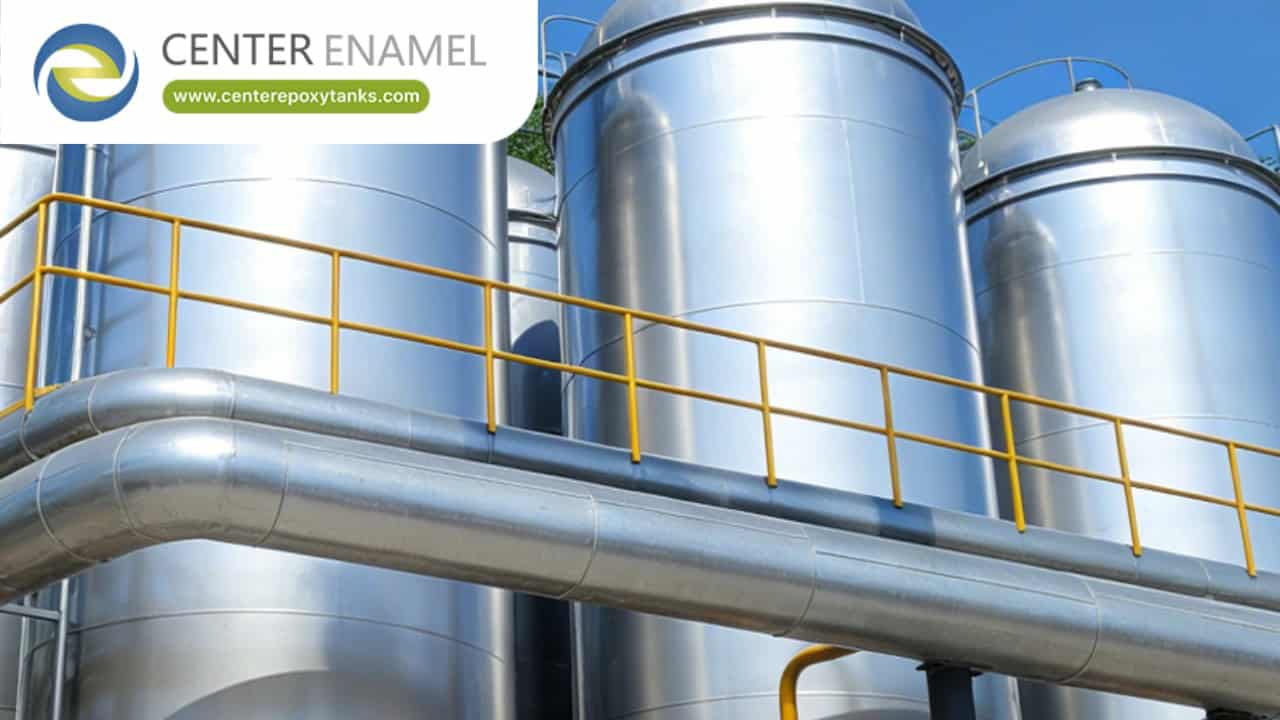
What Are Duplex 2205/2304, Hastelloy & AL-6XN Tank Materials?
Duplex 2205/2304, Hastelloy, and AL-6XN are the specialty alloys used when carbon steel with linings or standard stainless cannot survive the service: duplex grades for chloride stress-corrosion cracking resistance with double strength, AL-6XN for severe chloride corrosion, and Hastelloy for the most aggressive chemical duties.
The Specialty Alloy Spectrum
Duplex stainless steels (2205, 2304) mix austenitic and ferritic structures, delivering roughly double the yield strength of 316L along with far better resistance to chloride stress-corrosion cracking — the failure mode that quietly destroys standard stainless in brine, seawater, and chloride-bearing chemicals. Their strength also buys thinner walls: less alloy at a higher unit price can net out cheaper than thick 316L.
AL-6XN, a super-austenitic 6-moly alloy, extends chloride resistance further — seawater coolers, hypochlorite, and high-chloride process streams. Hastelloy grades (C-276, C-22) are the heavy artillery: nickel-molybdenum-chromium alloys surviving wet chlorine, strong acids, and reducing-oxidizing chemical mixtures that destroy everything cheaper. Each step up the ladder costs more per kilogram — and is justified precisely when the alternative is failure.
When Standard Materials Stop Working
Material selection failures are the most expensive class of tank error: a corroding liner contaminates product, a cracked 316L shell leaks chlorides, and the replacement costs twice the original with downtime on top.
l Chloride stress-corrosion cracking attacks standard austenitics above ~60C.
l Strong reducing and oxidizing chemical mixtures exceed all stainless grades.
l High-strength duplex design requires weld procedure discipline to preserve properties.
Specialty Alloy Tank Engineering
An alloy tank project follows a materials-driven sequence:
1. Service Corrosion Analysis: Chemistry, temperature, velocity, and upset conditions are mapped against candidate alloys' corrosion data — including weld-affected zones.
2. Alloy and Design Selection: The chosen grade's strength (duplex economy) and corrosion margin set wall thicknesses and detailing, often to vessel or tank codes.
3. Welding and Fabrication Discipline: Qualified procedures, controlled heat input, and pickling/passivation preserve the corrosion resistance the alloy was bought for.
4. Verification and Documentation: Material traceability, PMI verification, and surface treatment records certify the alloy pedigree through fabrication into service.
Tank Material Performance Comparison
Property | 316L Stainless | Duplex 2205/2304 | AL-6XN | Hastelloy C-276 |
Chloride SCC Resistance | Poor above ~60C | Very good | Excellent | Excellent |
General Acid Resistance | Limited | Good | Very good | Outstanding across most acids |
Yield Strength (vs 316L) | Baseline | ~2x | ~1.3x | Comparable to 316L |
Relative Material Cost | 1x | 1.5-2x | 3-4x | 6-8x |
Specialty Alloy Tank Applications
l Seawater and brine service tanks and headers
l Hypochlorite and chloride chemical storage
l FGD and scrubber systems in power plants
l Pharmaceutical and specialty chemical process vessels
l Pulp and paper bleaching plant equipment
l Flue gas condensate and acid service
Key Advantages of Specialty Alloy Construction
1. Survival Where Everything Else Fails
These alloys exist for services that destroy lined steel and standard stainless — the correct answer when corrosion data says nothing cheaper will hold.
2. Strength That Pays for the Alloy
Duplex's doubled yield strength thins the walls enough that the premium alloy sometimes costs less than the standard-grade tank it replaces.
3. Corrosion Life Without Lining Maintenance
Solid alloy construction removes recoating and lining-renewal cycles — trading capital cost for decades of inspection-simple service.
Quality Standards and Proven References
Center Enamel provides design, fabrication, construction, and aftermarket services for storage tanks and silos under ISO 9001 and ISO 45001 certified quality systems, with EN 1090 structural steel certification. With three decades of experience and projects delivered to more than 100 countries — including biogas and wastewater references for Paques and Veolia and industrial references for PetroChina and Sinopec — the company supports tank assets from commissioning through decades of inspection-driven service.
Frequently Asked Questions (FAQ)
Q: When is duplex better than 316L?
A: When chlorides and temperature threaten stress-corrosion cracking, or when duplex strength can thin walls enough to offset its price premium — commonly brine, seawater, and chemical duties.
Q: What is AL-6XN used for?
A: Severe chloride service — seawater cooling systems, sodium hypochlorite, and high-chloride process streams beyond what 316L or even duplex tolerate reliably.
Q: Why is Hastelloy so expensive?
A: Its nickel-molybdenum-chromium chemistry uses costly elements to achieve corrosion resistance across reducing and oxidizing acids that attack every cheaper alloy — the price of surviving chemistry nothing else survives.
Q: What is the expected lifespan of a professionally engineered steel tank?
A: Steel tanks designed and built to recognized codes (API 650, API 620, AWWA D100, or ASME Section VIII) and maintained under scheduled inspection, coating, and repair programs routinely deliver service lives exceeding 30 years — and tanks managed under API 653-class integrity programs commonly remain in safe service for 50 years or more.


