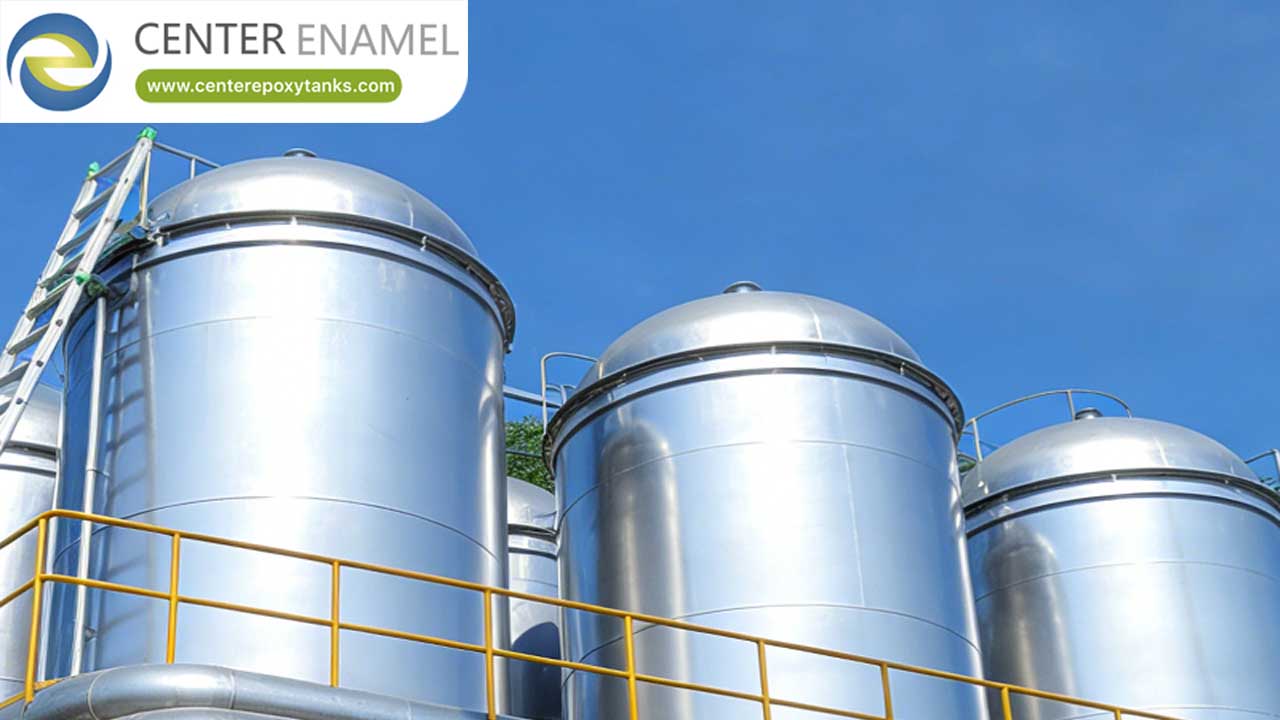
What Are ASME Vessels and Spheres (U and R Stamps)?
ASME vessels and spheres are pressure vessels designed and built to ASME Section VIII and registered with a U stamp, certifying code compliance. The R stamp authorizes qualified organizations to repair or alter these stamped vessels under the National Board Inspection Code.
What Are ASME Vessels and Spheres?
The ASME U stamp on a vessel's nameplate certifies that its design, materials, fabrication, welding, and testing were executed and verified under ASME Section VIII — the passport a pressure vessel needs to be lawfully installed in most jurisdictions, backed by a Manufacturer's Data Report registered with the National Board.
The R stamp is its maintenance counterpart: organizations holding the R certificate of authorization may repair or alter in-service code vessels under the National Board Inspection Code (NBIC), with work documented on R forms so the vessel's code pedigree continues unbroken. Together the two stamps define the integrity lifecycle of pressurized storage — from birth certificate to every subsequent surgical intervention.
Why Stamps Are the Price of Admission
Pressure vessels concentrate stored energy. Regulators respond by making code stamps mandatory — and by making unstamped or improperly repaired vessels uninsurable and unlawful to operate.
l Jurisdictional registration requires a U-stamped data report before operation.
l Repairs by non-R-stamp organizations invalidate the vessel's code status permanently.
l Insurance underwriting for pressure equipment is contingent on continuous stamp pedigree.
The Stamp Lifecycle of a Code Vessel
From fabrication through decades of service, the stamp trail is continuous:
1. Code Design and Fabrication: The manufacturer engineers the vessel to Section VIII Division 1 or 2, procures certified material, and welds under qualified procedures with required NDE.
2. Stamping and Registration: Hydrostatic testing is witnessed, the U stamp is applied, and the Manufacturer's Data Report is registered with the National Board.
3. NBIC Inspection in Service: Jurisdictional and owner-user inspections at defined intervals monitor corrosion, condition, and pressure-relief integrity.
4. R-Stamp Repair and Alteration: Repairs and alterations are executed by R-stamp holders with R-form documentation, keeping the vessel code-compliant for life.
U Stamp Fabrication vs Non-Code Fabrication
Technical Parameter | U Stamp Code Vessel | Non-Code Fabrication |
Legal Standing | Installable and operable in code jurisdictions worldwide | Barred from most pressure service installations |
Design Verification | Independent authorized inspection at fabrication | No third-party verification |
Traceability | Mill certs, weld records, NDE, and data report on file | Paper trail ends at invoice |
Repairability | R-stamp framework for lifelong code repair | Cannot regain code status after non-code work |
U- and R-Stamp Vessel Scope
l LPG, ammonia, and gas storage spheres and bullets
l Process pressure vessels, separators, and heat exchanger shells
l Air receivers and utility pressure vessels
l Biogas and biomethane upgrading pressure equipment
l Code repairs, alterations, and re-rates on in-service vessels
l National Board re-registration after alteration
Key Advantages of Stamped Vessel Programs
1. Regulatory Certainty Everywhere
U-stamped vessels with National Board registration clear permitting in code jurisdictions without engineering re-argument — decisive for multinational owners.
2. Insurable, Financeable Assets
Continuous stamp pedigree is what underwriters and lenders price risk against; it protects residual value at audit, refinancing, or sale.
3. A Repair Framework That Never Expires
The R-stamp system means a 30-year-old vessel can be repaired, altered, or re-rated with full code standing rather than replaced.
Quality Standards and Proven References
Center Enamel's pressure vessel capability covers ASME Section VIII Division 1 and Division 2 design and fabrication, delivering spheres, bullets, and process vessels for oil, gas, and biogas applications under ISO 9001 and ISO 45001 certified quality systems with EN 1090 structural certification. Storage and pressure equipment projects have been delivered to more than 100 countries, including work for PetroChina, Sinopec, and global environmental leaders such as Paques and Veolia.
Frequently Asked Questions (FAQ)
Q: What does the ASME U stamp mean?
A: It certifies the vessel was designed, fabricated, inspected, and tested in accordance with ASME Section VIII by a manufacturer holding a certificate of authorization, with an authorized inspector witnessing the process.
Q: What is the R stamp used for?
A: The R stamp authorizes an organization to repair or alter ASME-stamped pressure vessels under the National Board Inspection Code, documenting the work on R forms that update the vessel's record.
Q: How long do ASME vessels last?
A: With NBIC-consistent inspection and R-stamp repairs, code vessels commonly serve 30 to 50 years; life is governed by corrosion rate and remaining wall thickness, not age alone.
Q: What is the expected lifespan of a professionally engineered steel tank?
A: Steel tanks designed and built to recognized codes (API 650, API 620, AWWA D100, or ASME Section VIII) and maintained under scheduled inspection, coating, and repair programs routinely deliver service lives exceeding 30 years — and tanks managed under API 653-class integrity programs commonly remain in safe service for 50 years or more.


